Support our educational content for free when you purchase through links on our site. Learn more
10 Ways Fitness and Nature Transform Your Health in 2026 🌿

Imagine lacing up your shoes, stepping onto a sun-dappled trail, and feeling your stress melt away as your heart races—not from anxiety, but from the pure joy of movement in nature. At Fitness and Nature™, we’ve seen firsthand how blending outdoor exercise with the healing power of green spaces creates a fitness experience that’s as rewarding mentally as it is physically. Did you know that trail running can burn up to 20% more calories than treadmill running? Or that simply spending time in nature can reduce cortisol levels by 16%? Intrigued? Stick around as we reveal the top 10 outdoor fitness activities, the science behind nature’s health benefits, and expert tips to gear up and get moving sustainably.
Whether you’re a seasoned adventurer or just starting your fitness journey, this comprehensive guide will help you harness the wild side of wellness. From hiking the Appalachian Trail to practicing yoga beneath ancient trees, we’ll show you how to turn every workout into an immersive nature experience that leaves you stronger, calmer, and more connected.
Key Takeaways
- Outdoor fitness burns more calories and engages more muscles than indoor workouts due to varied terrain and natural obstacles.
- Nature exposure significantly reduces stress hormones and boosts mood-enhancing neurotransmitters.
- Top activities include trail running, hiking, outdoor yoga, and paddle sports—each offering unique physical and mental benefits.
- Proper gear and eco-friendly practices are essential for safety, comfort, and environmental stewardship.
- Building a sustainable outdoor routine combines cardio, strength, and mindfulness for holistic health improvements.
Ready to transform your health with nature’s power? Let’s dive in!
Table of Contents
- ⚡️ Quick Tips and Facts About Fitness and Nature
- 🌿 The Natural Origins of Fitness: A Brief History of Outdoor Exercise
- 💪 1. Top 10 Outdoor Fitness Activities to Boost Your Health Naturally
- 🏃♂️ Running and Trail Running: Nature’s Ultimate Cardio
- 🚴♀️ Cycling Through Scenic Routes: Pedal Power Meets Nature
- 🧘♀️ Outdoor Yoga and Meditation: Mindfulness in the Wild
- 🧗♂️ Rock Climbing and Bouldering: Strength and Adventure Combined
- 🥾 Hiking and Nature Walks: Fitness with a View
- 🏋️♂️ Bodyweight Workouts in Parks: Your Gym Without Walls
- 🏊♂️ Open Water Swimming: Dive Into Fitness
- 🛶 Kayaking and Paddleboarding: Core Strength Meets Serenity
- ⚽ Team Sports in Nature: Social Fitness Outdoors
- 🦜 Birdwatching and Active Nature Exploration: Fitness for the Curious
- 🌞 2. The Science Behind Nature’s Impact on Physical and Mental Fitness
- 🛠️ 3. Essential Gear and Tech for Fitness in the Great Outdoors
- responsibly-in-nature”>🌍 4. Eco-Friendly Fitness: How to Exercise Responsibly in Nature
- 🏞️ 5. Best Nature Spots and Trails for Fitness Enthusiasts Across the USA
- 🍃 6. Nutrition Tips for Outdoor Fitness: Fueling Your Body Naturally
- 🧠 7. Mental Health Benefits of Combining Fitness and Nature
- 📅 8. Creating a Sustainable Outdoor Fitness Routine That Works for You
- 🎉 Conclusion: Embrace the Wild Side of Fitness
- 🔗 Recommended Links for Fitness and Nature Enthusiasts
- ❓ FAQ: Your Burning Questions About Fitness and Nature Answered
- 📚 Reference Links and Further Reading
⚡️ Quick Tips and Facts About Fitness and Nature
Welcome to the wild side of wellness! 🌿 At Fitness and Nature™, we believe that combining physical fitness with the great outdoors is not just a trend—it’s a lifestyle that transforms your body, mind, and soul. If you’ve ever wondered, “Can combining fitness and nature boost your health?” —you’re in the right place. Check out our detailed exploration here: Can Combining Fitness and Nature Boost Your Health? Discover How! 🌿.
Quick Facts to Get You Started
- Outdoor exercise improves vitamin D levels naturally, supporting bone health and immune function. NIH Vitamin D Fact Sheet
- Nature exposure reduces cortisol, the stress hormone, by up to 16%. American Psychological Association
- Trail running burns 20% more calories than treadmill running due to uneven terrain. Runner’s World
- Green exercise improves mood and self-esteem more than indoor workouts. Environmental Science & Technology
Pro Tips from Our Experts
- Mix cardio with mindfulness: Try outdoor yoga or tai chi to blend fitness with nature’s calming effects.
- Gear up smartly: Invest in trail shoes like Salomon Speedcross or Altra Lone Peak for comfort and safety.
- Hydrate and protect: Use hydration packs and eco-friendly sunscreen to stay safe and sustainable.
- Respect nature: Follow Leave No Trace principles to preserve the environment while you sweat.
Ready to dive deeper? Let’s trek through the history, science, and best practices of fitness in nature!
🌿 The Natural Origins of Fitness: A Brief History of Outdoor Exercise

Long before gyms and fitness trackers, humans were wired for movement in nature. Our ancestors hunted, gathered, and explored vast landscapes—activities that demanded endurance, strength, and agility. This primal connection to nature shaped our physiology and psychology.
From Survival to Sport: Evolution of Outdoor Fitness
- Hunter-gatherer roots: Running, climbing, and swimming were survival skills, not workouts.
- Ancient civilizations: Greeks and Romans embraced outdoor athletics—think Olympic games and gladiator training.
- 19th-century nature movements: The rise of hiking clubs, cycling, and outdoor sports reflected a growing appreciation for nature’s health benefits.
- Modern outdoor fitness: Trail running, adventure racing, and outdoor yoga blend tradition with innovation.
Our team at Fitness and Nature™ often reflects on how this history inspires our approach: fitness is not just about reps and sets but about reconnecting with the environment that shaped us.
💪 1. Top 10 Outdoor Fitness Activities to Boost Your Health Naturally
Ready to get moving? Here’s our expert-curated list of the best outdoor workouts that combine fitness and nature seamlessly.
Running and Trail Running: Nature’s Ultimate Cardio
Trail running is a favorite for many of us at Fitness and Nature™. It’s cardio with a twist—literally! Uneven terrain engages stabilizer muscles and improves balance.
Benefits:
- Burns more calories than road running
- Enhances proprioception and coordination
- Immerses you in nature’s beauty, boosting mental health
Gear we recommend:
- Salomon Speedcross 5 Trail Running Shoes
- Garmin Forerunner 245 GPS Watch
User Tip: Start with short, easy trails to build confidence and prevent injury.
Cycling Through Scenic Routes: Pedal Power Meets Nature
Cycling outdoors offers a low-impact way to build endurance and leg strength while enjoying fresh air and scenic views.
Why we love it:
- Joint-friendly cardio
- Can be social or solo
- Access to diverse terrains: mountain biking, road cycling, gravel grinding
Top gear picks:
- Trek Marlin 7 Mountain Bike
- CamelBak Hydration Pack
Outdoor Yoga and Meditation: Mindfulness in the Wild
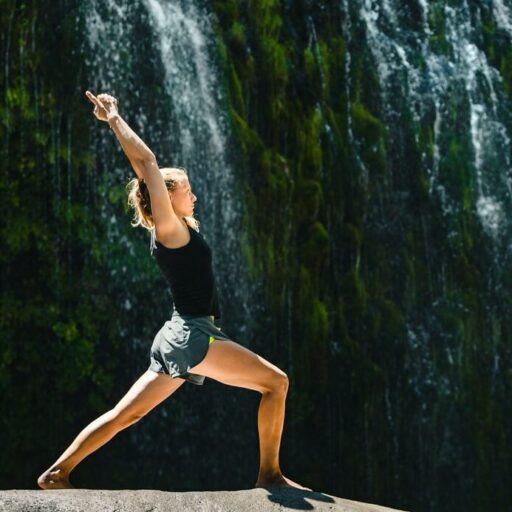
Yoga in a park or forest setting amplifies the calming effects of practice. The sounds of birds and rustling leaves deepen your breath and focus.
Benefits:
- Reduces stress and anxiety
- Improves flexibility and balance
- Connects mind and body with nature
Our favorite mats:
- Manduka PRO Yoga Mat (durable and eco-friendly)
- Gaiam Cork Yoga Mat (natural grip and texture)
Rock Climbing and Bouldering: Strength and Adventure Combined
Climbing outdoors challenges your entire body and mind. It’s a full-body workout that builds strength, endurance, and problem-solving skills.
Why try it:
- Builds upper body and core strength
- Enhances mental focus and confidence
- Connects you to breathtaking natural landscapes
Essential gear:
- Black Diamond Momentum Climbing Shoes
- Petzl Spirit Chalk Bag
Hiking and Nature Walks: Fitness with a View
Hiking is accessible to almost everyone and offers a fantastic way to improve cardiovascular health while soaking in nature’s beauty.
Health perks:
- Improves heart health and stamina
- Strengthens legs and core
- Boosts mood and creativity
Pro tip: Use trekking poles for stability and to reduce joint impact.
Bodyweight Workouts in Parks: Your Gym Without Walls
Parks offer pull-up bars, benches, and open spaces perfect for bodyweight exercises like push-ups, squats, and lunges.
Why it rocks:
- No equipment needed
- Builds functional strength
- Easily adaptable to all fitness levels
Explore our Natural Bodyweight Exercises for routines you can do anywhere!
Open Water Swimming: Dive Into Fitness
Swimming in lakes, rivers, or the ocean adds a refreshing twist to your cardio routine.
Advantages:
- Full-body workout with low impact
- Improves lung capacity and endurance
- Connects you with aquatic ecosystems
Safety note: Always swim with a buddy and check local water conditions.
Kayaking and Paddleboarding: Core Strength Meets Serenity
Paddling sports engage your core, arms, and back while offering a peaceful way to explore waterways.
Why we recommend it:
- Builds upper body and core strength
- Low-impact and meditative
- Great for all ages and skill levels
Gear favorites:
- Perception Pescador Pro Kayak
- iROCKER All-Around Inflatable SUP
Team Sports in Nature: Social Fitness Outdoors
Playing soccer, ultimate frisbee, or volleyball in parks combines fitness with social connection.
Benefits:
- Improves cardiovascular health and coordination
- Builds teamwork and communication skills
- Makes fitness fun and engaging
Birdwatching and Active Nature Exploration: Fitness for the Curious
Walking trails with binoculars in hand turns exercise into an adventure of discovery.
Why try it:
- Encourages slow, mindful movement
- Boosts mental focus and patience
- Connects you to biodiversity and conservation
🌞 2. The Science Behind Nature’s Impact on Physical and Mental Fitness
Why does exercising outdoors feel so good? Science has some fascinating answers.
Physical Benefits Backed by Research
- Increased calorie burn: Uneven terrain and natural obstacles increase energy expenditure.
- Improved immune function: Exposure to phytoncides (natural plant chemicals) boosts white blood cell activity. Frontiers in Immunology
- Better cardiovascular health: Outdoor air quality and natural light improve heart rate variability.
Mental Health Boosts
- Reduced stress and anxiety: Green spaces lower cortisol and blood pressure.
- Enhanced mood and creativity: Nature exposure stimulates the prefrontal cortex, improving focus and problem-solving.
- Combats depression: Studies show nature walks reduce rumination and depressive symptoms. PNAS Study
The “Fitness of Nature” Perspective
The first YouTube video embedded in this article (#featured-video) eloquently discusses how nature’s unique properties—from water’s life-sustaining qualities to sunlight’s perfect energy for photosynthesis—create an environment finely tuned for human life and fitness. It’s not just about exercise; it’s about thriving in a world designed for vitality.
🛠️ 3. Essential Gear and Tech for Fitness in the Great Outdoors
Getting outside is fantastic, but the right gear can make or break your experience. Here’s our expert breakdown.
Footwear That Can Handle Mud, Rocks, and Trails
| Brand & Model | Design (1-10) | Functionality (1-10) | Durability (1-10) | Comfort (1-10) | Best For |
|---|---|---|---|---|---|
| Salomon Speedcross 5 | 9 | 10 | 9 | 8 | Trail running, mud |
| Altra Lone Peak 6 | 8 | 9 | 8 | 9 | Trail running, hiking |
| Merrell Moab 3 | 7 | 8 | 9 | 8 | Hiking, casual trails |
Why it matters: Trail shoes provide grip, protect from sharp rocks, and support your feet over uneven ground.
Backpacks and Hydration Systems for Outdoor Workouts
Hydration is king when you’re sweating in the sun. Look for lightweight packs with built-in reservoirs.
- CamelBak M.U.L.E.: Classic hydration pack with 3L reservoir and storage.
- Osprey Talon 22: Versatile daypack with hydration sleeve and ventilated back panel.
Fitness Trackers and Apps Tailored for Nature Workouts
Tech can enhance your outdoor fitness by tracking routes, heart rate, and elevation.
- Garmin Forerunner 945: GPS, heart rate, and advanced trail metrics.
- Suunto 9 Baro: Long battery life, barometric altimeter for elevation.
- Strava App: Social fitness platform for sharing routes and progress.
Sun Protection and Bug Repellents: Stay Safe and Comfortable
- Use mineral-based sunscreens like Badger SPF 30 for eco-friendly protection.
- Bug sprays with DEET alternatives (e.g., picaridin) reduce insect bites without harsh chemicals.
🌍 4. Eco-Friendly Fitness: How to Exercise Responsibly in Nature
At Fitness and Nature™, we champion sustainability. Your workout shouldn’t cost the planet.
Leave No Trace Principles for Outdoor Fitness
- Plan ahead: Know the rules and stay on marked trails.
- Pack it in, pack it out: Take all trash with you.
- Respect wildlife: Observe from a distance, don’t feed animals.
- Minimize campfire impact: Use portable stoves or fire rings.
Sustainable Gear Choices
- Opt for brands using recycled materials (e.g., Patagonia, prAna).
- Choose durable gear to reduce waste.
- Support local outdoor companies to reduce carbon footprint.
Community and Conservation
Join local trail cleanups or volunteer with organizations like Leave No Trace Center for Outdoor Ethics.
🏞️ 5. Best Nature Spots and Trails for Fitness Enthusiasts Across the USA
Whether you’re a beginner or a seasoned adventurer, these spots offer epic fitness opportunities.
| Location | Activity Type | Highlights | Difficulty Level |
|---|---|---|---|
| Appalachian Trail (East Coast) | Hiking, Trail Running | Over 2,000 miles of diverse terrain | Moderate to Hard |
| Moab, Utah | Rock Climbing, Biking | Stunning red rock formations | Moderate to Hard |
| Golden Gate Park, CA | Outdoor Yoga, Running | Urban oasis with varied trails | Easy to Moderate |
| Adirondack Mountains, NY | Hiking, Kayaking | Lakes, forests, and mountain views | Moderate |
| Boulder, Colorado | Trail Running, Cycling | High altitude training, scenic routes | Moderate to Hard |
🍃 6. Nutrition Tips for Outdoor Fitness: Fueling Your Body Naturally
Your body is a finely tuned machine—fuel it right for outdoor adventures.
Hydration Essentials
- Drink water before, during, and after workouts.
- Electrolyte drinks (e.g., Nuun tablets) replenish minerals lost in sweat.
Pre-Workout Snacks
- Bananas, trail mix, or energy bars with natural ingredients.
- Avoid heavy meals that cause sluggishness.
Post-Workout Recovery
- Protein-rich foods like nuts, seeds, or lean meats.
- Antioxidant-rich fruits (blueberries, cherries) to reduce inflammation.
Our Favorite Natural Energy Boosters
- Raw honey for quick glucose.
- Green tea for gentle caffeine and antioxidants.
🧠 7. Mental Health Benefits of Combining Fitness and Nature
Fitness and Nature™ is not just about muscles—it’s about mental clarity and emotional balance.
Stress Reduction and Mood Enhancement
Nature exposure lowers cortisol and increases serotonin, the “feel-good” neurotransmitter.
Cognitive Benefits
- Improved attention span and memory.
- Enhanced creativity and problem-solving.
Social Connection and Mindfulness
Outdoor group activities build community, reduce loneliness, and foster mindfulness.
Personal Story from Our Team
One of our designers, Mia, struggled with anxiety until she started weekly outdoor yoga sessions. She says, “The combination of movement, fresh air, and bird songs feels like a reset button for my brain.”
📅 8. Creating a Sustainable Outdoor Fitness Routine That Works for You
Consistency is key, but so is enjoyment. Here’s how to build a routine you’ll love.
Step 1: Assess Your Fitness Level and Goals
- Are you aiming for weight loss, endurance, or stress relief?
- Choose activities that fit your current ability.
Step 2: Schedule Regular Outdoor Sessions
- Start with 2-3 times per week.
- Mix cardio, strength, and mindfulness activities.
Step 3: Prepare Your Gear and Nutrition
- Invest in quality shoes and hydration.
- Pack snacks and sun protection.
Step 4: Track Progress and Adjust
- Use apps like Strava or Garmin Connect.
- Celebrate milestones and tweak your routine.
Step 5: Stay Inspired and Connected
- Join local clubs or online communities.
- Explore new trails and activities.
If you’re ready to gear up, explore our Fitness Gear Reviews for the latest and greatest outdoor fitness equipment!
Conclusion: Embrace the Wild Side of Fitness

So, what’s the final word on combining fitness and nature? Simply put: it’s a game-changer. From the primal roots of human movement to the latest scientific research, the evidence is crystal clear—exercising outdoors not only boosts your physical health but also supercharges your mental well-being. Whether you’re lacing up trail running shoes, flowing through yoga poses under a canopy of trees, or paddling across a serene lake, nature offers a dynamic gym that challenges and nurtures you in equal measure.
We’ve explored the top outdoor activities, the science behind nature’s healing powers, essential gear, and how to build a sustainable routine. Remember Mia’s story? That reset button for the brain is waiting for you too.
Key takeaways:
✅ Nature workouts burn more calories and engage more muscles than indoor equivalents.
✅ Exposure to green spaces reduces stress hormones and elevates mood.
✅ Proper gear and preparation make outdoor fitness safe, enjoyable, and eco-friendly.
✅ A balanced routine combining cardio, strength, and mindfulness maximizes benefits.
If you’ve been wondering whether fitness and nature can truly lead to a more balanced and healthy lifestyle, the answer is a resounding yes. The only question left is: When will you take your first step outside? 🌲👟
Recommended Links for Fitness and Nature Enthusiasts
Ready to gear up and dive into your outdoor fitness journey? Here are some of our top product picks and resources to get you started:
-
Salomon Speedcross 5 Trail Running Shoes:
Amazon | Salomon Official Website -
Garmin Forerunner 245 GPS Watch:
Amazon | Garmin Official Website -
Manduka PRO Yoga Mat:
Amazon | Manduka Official Website -
Black Diamond Momentum Climbing Shoes:
Amazon | Black Diamond Official Website -
CamelBak M.U.L.E. Hydration Pack:
Amazon | CamelBak Official Website -
Badger SPF 30 Mineral Sunscreen:
Amazon | Badger Official Website -
Recommended Books:
FAQ: Your Burning Questions About Fitness and Nature Answered What safety tips should I follow when exercising outdoors in nature?
Safety first! Always:
- Plan your route and inform someone of your whereabouts.
- Check weather conditions before heading out.
- Wear appropriate gear (footwear, sun protection, insect repellent).
- Stay hydrated and carry enough water.
- Be aware of wildlife and keep a safe distance.
- Carry a basic first aid kit and know emergency contacts.
How does exposure to nature enhance workout performance?
Nature provides a multi-sensory environment that stimulates your brain and body. Fresh air improves oxygen intake, natural light regulates circadian rhythms boosting energy, and varied terrain challenges muscles more than flat indoor surfaces. The calming effect of greenery reduces perceived exertion, making workouts feel easier and more enjoyable.
What are the top fitness benefits of spending time in natural environments?
- Increased calorie burn due to uneven terrain
- Improved cardiovascular and immune health
- Enhanced muscle coordination and balance
- Reduced stress and anxiety levels
- Better sleep quality and mood regulation
How to combine fitness routines with hiking and trail running?
Start by:
- Choosing trails that match your fitness level.
- Incorporating interval training: alternate between walking and running uphill.
- Using trekking poles to engage upper body muscles.
- Wearing trail-specific footwear for grip and protection.
- Hydrating and fueling properly before and after.
What equipment is needed for outdoor fitness activities?
Basic essentials include:
- Proper footwear (trail shoes, hiking boots)
- Weather-appropriate clothing (moisture-wicking, layers)
- Hydration system (water bottles, hydration packs)
- Sun and insect protection
- Fitness tracker or GPS device (optional but helpful)
- Safety gear (first aid kit, whistle)
Can nature walks improve physical fitness?
Absolutely! Nature walks:
- Increase cardiovascular endurance
- Strengthen lower body muscles
- Improve balance and coordination
- Boost mental well-being, encouraging consistency
What are the best outdoor workouts for fitness and nature lovers?
- Trail running
- Hiking
- Outdoor yoga and tai chi
- Bodyweight circuits in parks
- Swimming in natural water bodies
- Kayaking and paddleboarding
How does exercising in nature benefit mental health?
Nature exposure lowers cortisol and increases serotonin and dopamine, reducing stress, anxiety, and depression. It also improves attention span, creativity, and emotional resilience.
Can combining fitness and nature, such as through outdoor yoga or swimming, lead to a more balanced and healthy lifestyle?
Yes! Combining physical activity with nature’s restorative effects creates synergy that enhances physical health, mental clarity, and emotional balance, leading to a holistic healthy lifestyle.
What are some simple ways to incorporate nature into my daily fitness routine, such as walking or jogging in a park?
- Choose a nearby park or green space for daily walks.
- Replace treadmill runs with trail runs.
- Practice yoga or stretching outdoors.
- Use stairs or natural features (logs, rocks) for bodyweight exercises.
How does exposure to natural light and fresh air impact my mood and energy levels during a fitness routine?
Natural light boosts vitamin D synthesis and regulates melatonin, improving sleep and energy. Fresh air increases oxygen flow, enhancing alertness and mood, making workouts feel more invigorating.
Are there any specific exercises or workouts that I can do outdoors to improve my fitness and appreciate nature?
Yes! Try:
- Circuit training using park benches and bars
- Interval sprints on trails
- Yoga flows synchronized with natural sounds
- Mindful walking or jogging focusing on surroundings
What role does being in nature play in reducing stress and anxiety while trying to get fit?
Nature’s calming stimuli reduce sympathetic nervous system activity, lowering heart rate and cortisol. This creates a relaxed state that supports better workout performance and recovery.
Can hiking and walking in nature really help me lose weight and improve my overall health?
Definitely. Hiking and walking burn calories, build muscle endurance, improve cardiovascular health, and promote mental well-being, all contributing to weight management and holistic health.
What are some outdoor activities that can help me stay physically fit and connect with nature?
- Trail running and hiking
- Cycling on natural paths
- Swimming in lakes or oceans
- Rock climbing and bouldering
- Paddle sports like kayaking and SUP
How can spending time in nature improve my mental health and fitness?
Nature exposure reduces mental fatigue, enhances mood, and encourages physical activity, creating a positive feedback loop that improves both mental and physical fitness.
What are examples of fitness in nature?
Fitness in nature includes trail running, hiking, outdoor yoga, swimming in natural bodies of water, rock climbing, kayaking, and bodyweight workouts in parks.
Why does nature promote physical activity?
Nature offers varied terrain, fresh air, and sensory stimuli that make movement enjoyable and engaging, motivating people to be active longer and more often.
What is the nature of physical fitness?
Physical fitness is the ability to perform daily activities with vigor, maintain health, and resist disease, often enhanced by natural movement patterns in outdoor environments.
How is fitness related to the environment?
Fitness and environment are intertwined; a healthy environment provides clean air, water, and spaces conducive to physical activity, while active individuals often develop a stronger connection and commitment to environmental stewardship.
Reference Links and Further Reading
- National Institutes of Health – Vitamin D Fact Sheet
- American Psychological Association – Stress Reduction
- Runner’s World – Trail Running Benefits
- Frontiers in Immunology – Phytoncides and Immune Function
- PNAS Study – Nature Walks and Depression
- Leave No Trace Center for Outdoor Ethics
- Salomon Official Website
- Garmin Official Website
- Manduka Official Website
- Black Diamond Official Website
- CamelBak Official Website
- Badger Official Website
- MKT Nature and Fitness Trail – City of Columbia Missouri – CoMo.gov
- Fitness and Nature™ Forest Bathing Benefits
- Fitness and Nature™ Green Living Fitness Tips
- Fitness and Nature™ Fitness Gear Reviews
- Fitness and Nature™ Climate Aware Fitness
- Fitness and Nature™ Natural Bodyweight Exercises
We hope this guide inspires you to lace up, step outside, and embrace the powerful synergy of fitness and nature. Your body—and the planet—will thank you! 🌍💪