Support our educational content for free when you purchase through links on our site. Learn more
What Are Examples of Green Exercises? 18 Ideas 🌿

What are examples of green exercises? Nature walking, hiking, cycling, outdoor yoga, gardening, kayaking, and many other activities count when you move your body in a natural or nature-rich setting. You don’t need a remote forest or fancy gear: a neighborhood park, community garden, or tree-lined path can be enough.
At Fitness and Nature™, we’ve found that a simple change of scenery can make movement feel less like a chore. One walk becomes a mini nature hunt: spot a bird, notice the season, and somehow the route feels shorter. Green exercise can support physical activity and may benefit mood, though the experience varies from person to person.
Below, we share 18 outdoor exercise ideas, along with practical ways to choose an activity, build a routine, and stay safe. The best one to start with? The one you’ll actually look forward to doing again.
Key Takeaways
- Green exercise combines movement with time in nature, from a park stroll to trail running or gardening.
- You don’t need wilderness or intense workouts: accessible paths, gardens, and gentle outdoor activities count.
- Choose activities that fit your interests, fitness, and local conditions so they’re safe and enjoyable.
- Outdoor exercise can complement indoor workouts; weather, air quality, access, and personal preference all matter.
- Start small and build gradually. Even a short walk can be a practical first step toward a more active routine.
Table of Contents
- ⚡️ Quick Tips and Facts
- 🌿 Green Exercise Explained: How Nature Turns Movement Into a Workout
- What Makes an Activity “Green Exercise”?
- A Brief History of Outdoor Exercise and Nature-Based Fitness
- 🏃 What Are Examples of Green Exercises? 18 Outdoor Activities to Try
- 1. Nature Walking and Forest Bathing
- 2. Hiking and Hill Walking
- 3. Trail Running
- 4. Outdoor Yoga
- 5. Cycling on Trails and Greenways
- 6. Skateboarding in Parks
- 7. Surfing and Other Ocean Sports
- 8. Kayaking and Canoeing
- 9. Gardening and Yard Work
- 10. Playground and Park Obstacle Courses
- 11. Beach Volleyball
- 12. Swimming in Lakes, Rivers, or the Sea
- 13. Outdoor Bodyweight Workouts
- 14. Tai Chi in a Park or Garden
- 15. Bird-Watching Walks and Nature Scavenger Hunts
- 16. Snowshoeing and Cross-Country Sking
- 17. Outdoor Dance and Group Fitness
- 18. Ploging: Joging While Picking Up Litter
- 💚 What Are the Benefits of Green Exercise?
- Physical Health: Fitness, Strength, and Cardiovascular Benefits
- Mental Well-Being: Stress Relief, Mood, and Attention
- Social Connection and a Stronger Relationship With Nature
- 🌳 Is Outdoor Exercise Better Than Indoor Activity?
- Green Exercise vs. Gym Workouts: Key Differences
- When an Indoor Workout May Be the Better Choice
- 🧭 How to Choose the Right Green Exercise for You
- Match Activities to Your Fitness Level and Goals
- Low-Impact, Beginner-Friendly, and Accessible Options
- Green Exercise for Children, Older Adults, and Families
- 🗓️ Get Fit in the Great Outdoors: Build a Green Exercise Routine
- A Simple 7-Day Outdoor Fitness Plan
- How Long and How Often Should You Exercise Outdoors?
- Tips to Stay Motivated Through Every Season
- 🎒 Outdoor Workout Safety, Gear, and Practical Tips
- What to Wear and Bring for Different Activities
- Heat, Cold, Sun, Hydration, and Weather Safety
- Trail, Water, and Road Safety Basics
- Air Quality, Allergies, and Other Health Considerations
- ♻️ How to Make Outdoor Exercise More Eco-Friendly
- Leave No Trace: Respect Wildlife, Trails, and Public Spaces
- Choose Low-Impact Gear and Grener Ways to Get There
- ❓ Green Exercise FAQs
- Does Green Exercise Have to Be Vigorous?
- Can Gardening Count as Exercise?
- Is Walking in a City Park Green Exercise?
- What If I Don’t Live Near a Forest or Hiking Trail?
- Can Green Exercise Help With Stress or Low Mood?
- Is It Safe to Exercise Outdoors Every Day?
- 🏁 Conclusion
- 🔗 Recommended Links
- 📚 Reference Links
Quick Tips and Facts
| Quick question | Helpful answer |
|---|---|
| What counts as green exercise? | Physical activity in a natural or nature-rich setting, from a neighborhood-park walk to kayaking on a lake. |
| Do I need a wilderness trail? | No. A tree-lined street, community garden, urban park, or waterfront path can all offer contact with nature. |
| What’s an easy first try? | Take a comfortable 10–20-minute walk somewhere green, then build up duration or pace as it feels manageable. |
| Does it have to be hard exercise? | No. Gentle walking, gardening, tai chi, and outdoor yoga count too. |
| Is nature a substitute for medical care? | No. Green exercise can support well-being, but it is not a replacement for treatment or professional advice. |
At Fitness and Nature™, we think of green exercise as movement plus a meaningful dose of the outdoors. For a closer look at what makes the approach distinctive, read Why Is Green Exercise Unique? 🌿.
- ✅ Start with what you enjoy. A pleasant walk you repeat is more useful than an ambitious workout you dread.
- ✅ Choose a route that feels safe and accessible, and check trail or water conditions before heading out.
- ✅ Bring water and weather-appropriate clothing; add sun protection when the UV index calls for it.
- ❌ Don’t assume more intense means more beneficial. Match effort to your fitness, health, and the conditions.
- 🌱 Leave the place as you found it: stay on established paths, respect wildlife, and pack out rubbish.
The World Health Organization recommends that adults aim for 150–300 minutes of moderate-intensity aerobic activity per week, or an equivalent amount of vigorous activity. Those minutes can come from outdoor activities you enjoy, and smaller bouts still contribute. WHO physical activity guidance
🌿 Green Exercise Explained: How Nature Turns Movement Into a Workout
Green exercise is physical activity performed in a natural or nature-rich environment. It pairs familiar movement—walking, cycling, stretching, gardening, or paddling—with contact with green or blue spaces such as parks, gardens, woodlands, rivers, and coastlines.
In our Fitness and Nature™ coaching experience, the setting often changes how a workout feels. A walk in a park may feel less like “doing cardio” and more like taking the scenic route home. That doesn’t mean nature magically replaces training principles; it can simply make movement more enjoyable and easier to repeat.
What Makes an Activity “Green Exercise”?
A workout does not need to be deep in the forest to qualify. Consider three ingredients:
| Ingredient | What it means | Example |
|---|---|---|
| Movement | Your body is doing purposeful physical activity | Walking, stretching, cycling, digging |
| Nature contact | You’re in or engaging with a relatively natural setting | A park, garden, woodland, beach, or river path |
| A dose that suits you | The activity fits your ability and the conditions | A gentle stroll instead of a steep hike |
The term is flexible: an easy walk through a leafy urban park can fit just as well as a challenging trail ride. A green gym or conservation volunteering session can also count when it combines physical work with time outdoors. For low-impact ideas and ways to make activity part of a greener routine, explore our Green Living Fitness Tips and Climate Aware Fitness guides.
A Brief History of Outdoor Exercise and Nature-Based Fitness
People have walked, gardened, worked the land, and played outdoors for generations. The modern term green exercise brings those familiar activities into a conversation about physical activity, access to nature, and well-being.
Research reviews have examined whether outdoor settings can add benefits to activity itself. A review of 10 studies involving 1,252 adults reported improvements in mood and self-esteem after green exercise, while also warning that findings vary by study and participant. That’s encouraging, not a promise that one park walk will solve every problem. See the review’s findings summarized in the green exercise research overview and read a broader review of nature and health from the National Library of Medicine.
🏃 What Are Examples of Green Exercises? 18 Outdoor Activities to Try
Here are 18 ways to get moving outdoors. Pick one that fits your fitness, access, and mood; you don’t need to collect all 18 like activity badges.
| Activity | Typical effort | Useful for | A sensible first step |
|---|---|---|---|
| Nature walking | Low to moderate | Everyday movement | Choose a flat, familiar route |
| Hiking | Moderate to vigorous | Endurance and leg strength | Start short, with gentle elevation |
| Trail running | Moderate to vigorous | Cardio and agility | Walk-run on a maintained trail |
| Outdoor yoga | Low to moderate | Mobility and balance | Use a stable, level surface |
| Cycling | Variable | Cardio and exploring farther | Try a protected path |
| Skateboarding | Moderate to vigorous | Balance and coordination | Learn on a smooth, quiet surface |
| Surfing | Moderate to vigorous | Balance and upper-body endurance | Take a beginner lesson |
| Kayaking or canoeing | Low to vigorous | Trunk and upper-body endurance | Start on calm water with a PFD |
| Gardening | Low to moderate | Functional movement | Alternate tasks and positions |
| Park obstacle course | Variable | Strength and coordination | Use equipment within your ability |
| Beach volleyball | Moderate to vigorous | Agility and teamwork | Play a short, casual game |
| Outdoor swimming | Variable | Full-body aerobic activity | Choose a supervised, safe location |
| Bodyweight workout | Variable | Strength and fitness | Use a simple circuit |
| Park tai chi | Low | Balance and controlled movement | Follow a beginner routine |
| Bird-watching walk | Low | Gentle movement and attention | Walk between observation stops |
| Snowshoeing or cross-country skiing | Moderate to vigorous | Endurance and lower-body strength | Choose an easy route and suitable gear |
| Outdoor dance | Variable | Cardio and coordination | Put on a favorite playlist in a safe space |
| Ploging | Low to moderate | Walking or jogging plus litter pickup | Use gloves and avoid hazardous waste |
A video linked at #featured-video also shows outdoor yoga, park equipment, walking, kayaking, cycling, gardening, and surfing. Its core message is that nature-based activity can combine movement with enjoyment and social connection. Think of the video as inspiration, not a medical study: evidence claims are best checked against research and public-health guidance.
1. Nature Walking and Forest Bathing
Walking is one of the simplest ways to begin: it needs little equipment, can be adjusted to your pace, and works in many settings. Try a neighborhood greenway, botanical garden, or wooded loop. Forest bathing is a slower, attention-focused way to spend time among trees; it is not a workout prescription or a substitute for clinical care. Find more ideas in our Forest Bathing Benefits collection.
Try this: Walk at a comfortable pace for 10 minutes, notice three things you can see and two sounds you can hear, then turn back. If you’re seeking more exercise, gradually lengthen the route or include a few brisk intervals.
2. Hiking and Hill Walking
Hiking adds uneven terrain, climbs, and longer stretches of effort. It can challenge your legs and cardiovascular system more than a flat stroll, so start with a route that matches your experience. Check distance, elevation, surface, and weather—not just the pretty trail photo.
- Wear shoes with grip suited to the surface.
- Carry water, a charged phone, and a light layer.
- Tell someone your route if you’re hiking alone.
- Turn around if conditions or fatigue become concerning.
The National Park Service hiking safety guide offers practical planning advice.
3. Trail Running
Trail running combines aerobic exercise with changing terrain and footing. It can feel more demanding than road running because roots, slopes, and loose surfaces require attention. Beginners can alternate jogging and walking on a well-maintained, low-traffic path.
Designer’s note: Choose visibility over “adventure” when learning. A clear path, daylight, and shoes that suit the terrain are better training tools than a dramatic route that leaves you guessing where to put your feet.
4. Outdoor Yoga
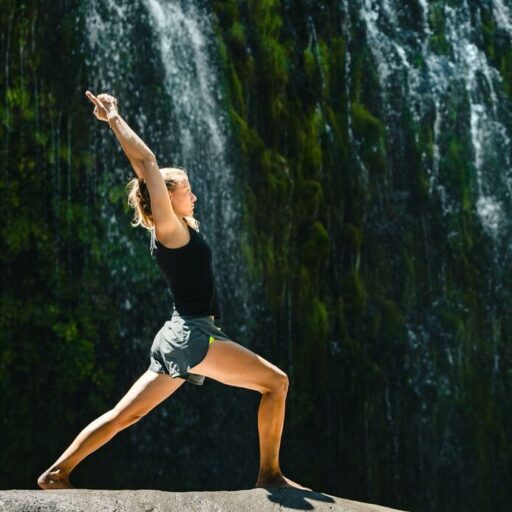
A quiet patch of grass or a level patio can work for outdoor yoga. The fresh-air setting may make the practice feel restorative, but uneven ground can affect balance and comfort. Use a mat if the surface is rough or damp, and modify poses to suit your joints and experience.
For a safe start, choose beginner-friendly instruction from a qualified teacher or a reputable class. If you have a health condition, pain, or balance concerns, ask a clinician or instructor about suitable modifications.
5. Cycling on Trails and Greenways
Cycling lets you cover more ground while adjusting effort through pace, terrain, and gears. A protected path is often a calmer place to start than a busy road. Wear a properly fitted helmet and check your brakes, tires, lights, and route before riding. The U.S. Consumer Product Safety Commission cycling safety advice covers essential precautions.
- ✅ Use lights and reflective clothing in low visibility.
- ✅ Follow local traffic rules and trail etiquette.
- ❌ Don’t wear headphones that block awareness of traffic or other trail users.
6. Skateboarding in Parks
Skateboarding develops balance, coordination, and muscular control, but falls are part of learning. Start on a smooth, flat surface away from vehicles and crowds. Use a properly fitted helmet, wrist guards, elbow pads, and knee pads; learn basic stopping and falling skills before attempting tricks. The American Academy of Pediatrics’ skateboard safety advice is a useful checklist.
7. Surfing and Other Ocean Sports
Surfing asks you to paddle, balance, and respond to changing conditions. Beginners should take lessons with a qualified instructor and learn local hazards, including currents, surf conditions, and designated swimming zones. Surf only where conditions match your ability, and follow lifeguard guidance.
The fun part: catching a wave. The non-negotiable part: knowing when not to enter the water.
8. Kayaking and Canoeing
Paddling can provide sustained upper-body and trunk activity, with effort varying by craft, water, wind, and pace. Start in calm, familiar water with a partner or guided group. Wear a properly fitted personal flotation device (PFD), even if you’re a confident swimmer. The U.S. Coast Guard’s boating safety guidance explains basic precautions.
9. Gardening and Yard Work
Diging, raking, carrying, planting, and watering all get you moving—and the garden does not care whether you call it a workout. Gardening can involve repeated bending, lifting, and gripping, so change tasks and positions to avoid overdoing one movement.
- Use a stable stance and bend through your hips and knees when lifting.
- Take breaks, especially in heat.
- Use gloves and tools that fit comfortably.
- Begin with short sessions if gardening is new to you.
A planter box, community garden, or a few pots on a balcony can make this option more accessible.
10. Playground and Park Obstacle Courses
Parks may have adult fitness equipment, outdoor gyms, or natural features for stepping, balancing, and bodyweight exercise. Check posted instructions and avoid using equipment for movements it wasn’t designed to support.
A simple circuit might include brisk walking between stations, supported step-ups on a low stable surface, and wall push-ups. For more movement ideas that need little equipment, browse Natural Bodyweight Exercises.
11. Beach Volleyball
Beach volleyball combines movement, quick direction changes, and teamwork. Sand can make running and jumping feel more demanding, so keep the first game short and build gradually. Warm up, choose a playing area clear of obstacles, and drink water—especially on hot days.
12. Swimming in Lakes, Rivers, or the Sea
Outdoor swimming can be refreshing and physically demanding, but natural water has hazards that pools may not: currents, cold temperatures, changing visibility, and uneven entry points. Swim where it is permitted and supervised when possible. Never swim alone, and follow local water-quality and safety warnings. The CDC’s open-water swimming advice explains key risks.
13. Outdoor Bodyweight Workouts
A park bench, open patch of ground, or sturdy wall can support a simple strength session. Try a few comfortable rounds of sit-to-stands, wall push-ups, standing calf raises, and marching in place. Choose stable surfaces, leave room for others, and stop if you feel unwell.
Example beginner circuit
- Walk easily for 5 minutes.
- Do 8–10 sit-to-stands from a stable bench.
- Do 8–10 wall push-ups.
- March in place for 30 seconds.
- Rest, then repeat once if comfortable.
- Cool down with easy walking.
Adjust repetitions to your ability. Strength work should feel challenging but controlled, not like a bargain with gravity.
14. Tai Chi in a Park or Garden
Tai chi uses slow, controlled movements and can be practiced in a quiet outdoor space. It may suit people looking for gentle activity and balance practice, but movements should be adapted to individual ability. A beginner class can help you learn technique and make safe modifications.
15. Bird-Watching Walks and Nature Scavenger Hunts
These activities turn a walk into a mission: spot a bird, find a leaf shape, or notice seasonal changes. They work well for families and people who prefer a relaxed pace. Keep observation respectful: use binoculars instead of approaching wildlife, stay on paths, and don’t disturb nests or habitats.
16. Snowshoeing and Cross-Country Sking
Snowshoeing and cross-country skiing can turn a winter walk into a full-body endurance session. Conditions matter: check weather, daylight, route status, and avalanche or terrain warnings where relevant. Dress in layers, carry essentials, and start on a route suited to your experience.
17. Outdoor Dance and Group Fitness
Dance, boot-camp classes, and group circuits can make outdoor exercise social and lively. Look for a class led by a qualified instructor, and tell them about injuries or limitations before starting. In warm weather, choose cooler times of day and take breaks as needed.
18. Ploging: Joging While Picking Up Litter
Plogging combines walking or jogging with collecting litter. It adds gentle squats and reaching, plus the satisfying feeling of leaving a path a little cleaner. Wear gloves, use a sturdy bag, and do not handle sharps, chemicals, animal waste, or unknown hazardous materials. Report those to the appropriate local service instead.
💚 What Are the Benefits of Green Exercise?
Green exercise can support physical activity while offering contact with nature. Research suggests potential mood and self-esteem benefits, but results vary; setting, activity, personal circumstances, and study design all matter. A review summarized in the National Library of Medicine discusses possible pathways and limitations.
| Potential benefit | What may contribute | Keep in mind |
|---|---|---|
| More movement | Parks and paths give you places to walk, cycle, and play | Access and safety are not equal everywhere |
| Mood and stress support | Physical activity and nature exposure may both play a role | It is not a replacement for mental-health care |
| Strength and endurance | Activities such as hiking, paddling, and gardening challenge the body | Intensity depends on the person and task |
| Connection | Walks, group classes, and volunteering can be social | Solo outdoor activity can be valuable too |
| Enjoyment and routine | Scenery and variety may make activity feel less repetitive | Preferences differ; a gym may suit you better |
Physical Health: Fitness, Strength, and Cardiovascular Benefits
The physical benefits come mainly from the activity itself. Brisk walking, cycling, swimming, and trail running can contribute to aerobic fitness; gardening, hiking, and bodyweight exercise can challenge muscles and movement skills. The setting may help some people choose or sustain activity, but it does not make every outdoor activity equally effective.
Use the CDC adult activity guidelines as a weekly reference, and remember that moving more and sitting less is a useful start.
Mental Well-Being: Stress Relief, Mood, and Attention
Outdoor activity may help some people feel calmer, more energized, or more attentive. Research on green exercise has reported improvements in mood and self-esteem, but it does not establish that nature exposure treats depression or anxiety. A short walk may be a welcome reset; persistent or severe symptoms deserve professional support.
The competing Happy Eco News article says even a five-minute walk can improve mood. That’s a useful nudge to start small, not a guarantee that five minutes will produce a specific result for everyone. We trust carefully qualified research conclusions over universal promises.
Social Connection and a Stronger Relationship With Nature
Walking groups, gardening clubs, community cleanups, and outdoor classes can add companionship and shared purpose. That social element may matter as much as the activity for some people. Green exercise can also encourage more frequent contact with local nature, whether that means learning a trail’s seasonal changes or caring for a community garden.
🌳 Is Outdoor Exercise Better Than Indoor Activity?
Not automatically. The best setting is the one that helps you exercise safely, consistently, and enjoyably. Outdoor activity adds changing scenery and nature contact; indoor exercise offers predictable conditions, equipment, and shelter.
Green Exercise vs. Gym Workouts: Key Differences
| Consideration | Outdoors | Indors |
|---|---|---|
| Environment | Weather and terrain vary | More controlled and predictable |
| Equipment | Often minimal, depending on activity | Machines, weights, and classes may be available |
| Nature contact | Built into green or blue settings | Usually limited |
| Safety planning | Weather, traffic, terrain, and water may matter | Equipment use and facility rules matter |
| Accessibility | Depends on local spaces and transport | Depends on facilities, cost, and access |
| Variety | Routes and seasons can change the experience | Programs and equipment can offer variety |
A 2024 study or headline is not needed to make this practical: both indoor and outdoor workouts can contribute to health. If it’s icy, smoky, dangerously hot, or simply not a day you feel safe outside, an indoor session is a sensible choice.
When an Indoor Workout May Be the Better Choice
Choose indoors when severe weather, poor air quality, unsafe conditions, or accessibility needs make outdoor exercise unsuitable. A gym or home workout can also be useful when you need specific equipment, structured coaching, or a consistent surface.
No fitness points are deducted for using a treadmill. The goal is sustainable activity, not proving your devotion to weather.
🧭 How to Choose the Right Green Exercise for You
Start with three questions: What do I enjoy? What can I access safely? What effort suits my body today? Then test an activity at an easy level before building up.
Match Activities to Your Fitness Level and Goals
| If your goal is… | Consider… | Make it easier by… |
|---|---|---|
| More everyday movement | Nature walks, gardening, bird-watching walks | Choosing flat routes and short sessions |
| Cardio endurance | Cycling, brisk walking, swimming | Using intervals or shorter distances |
| Strength and coordination | Bodyweight circuits, hiking, park obstacle courses | Reducing repetitions or using support |
| Relaxed mobility | Outdoor yoga, tai chi | Practicing on a stable surface |
| Social activity | Group walks, volleyball, outdoor classes | Trying a beginner or low-pressure group |
| Nature connection | Forest bathing, gardening, conservation volunteering | Slowing down and observing your surroundings |
Low-Impact, Beginner-Friendly, and Accessible Options
Gentle walking on a smooth path, seated outdoor stretching, gardening at a raised bed, or tai chi may be useful starting points. “Low-impact” does not mean suitable for everyone, so adapt movements and ask a health professional if you have pain, balance concerns, or a condition that affects activity.
Check for paved routes, benches, accessible toilets, shade, and public transport. A useful outdoor space is not only scenic; it should be usable for you.
Green Exercise for Children, Older Adults, and Families
For children, make movement playful: a scavenger hunt, a short park walk, or a playground circuit. For older adults, choose stable routes, rest points, and activities matched to balance and mobility. Families can agree on a route length together and carry snacks, water, and weather protection.
The WHO physical activity guidance provides recommendations across age groups. Individual health needs differ, so ask a clinician about safe activity if a child or adult has specific medical concerns.
🗓️ Get Fit in the Great Outdoors: Build a Green Exercise Routine
A good plan makes room for real life. Start with activity you can repeat, then gradually add time, pace, or variety. The goal is a routine—not a heroic first outing followed by a week of negotiating with sore calves.
A Simple 7-Day Outdoor Fitness Plan
This sample plan is for generally healthy adults and should be adjusted to your ability. Keep effort comfortable at first, and swap outdoor days for indoor movement when conditions are poor.
| Day | Sample activity | Effort |
|---|---|---|
| Monday | 20-minute nature walk | Easy to moderate |
| Tuesday | Short park-based bodyweight circuit | Moderate, controlled |
| Wednesday | Rest or gentle outdoor mobility | Easy |
| Thursday | 20–30-minute cycle or brisk walk | Moderate |
| Friday | Gardening or a relaxed neighborhood walk | Easy |
| Saturday | Longer walk, beginner hike, or group activity | Comfortable |
| Sunday | Rest, tai chi, or an unhuried stroll | Easy |
This plan is a starting sketch, not a prescription. If you’re new to exercise, begin with shorter sessions and increase gradually. The CDC’s physical activity guidance notes that activity can be spread through the week.
How Long and How Often Should You Exercise Outdoors?
There is no single green-exercise dose that suits everyone. For general health, adults can work toward 150 minutes of moderate-intensity aerobic activity per week, plus muscle-strengthening activity on two or more days when appropriate. You can build toward that target through walking, cycling, gardening, and other activities; short bouts count.
Use the talk test as a rough guide: with moderate effort, you can talk but not sing comfortably. If exercise is new to you or you have a health condition, seek individualized guidance.
Tips to Stay Motivated Through Every Season
- Put a short walk on your calendar like any other appointment.
- Choose a route with a pleasant feature: a garden, water view, or favorite tree.
- Invite a friend—or keep a solo route for quiet time.
- Track consistency rather than speed if performance goals feel discouraging.
- Have an indoor backup plan for poor weather or air quality.
- Change activities with the season so the routine stays interesting.
🎒 Outdoor Workout Safety, Gear, and Practical Tips
Outdoor exercise is rewarding, but the environment is part of the workout. Plan for the surface, weather, visibility, and activity—not just your playlist.
What to Wear and Bring for Different Activities
| Activity | Useful basics |
|---|---|
| Walking or hiking | Supportive footwear, water, weather-appropriate layers, charged phone |
| Cycling | Properly fitted helmet, lights, reflective gear, repair essentials |
| Kayaking or canoeing | Properly fitted PFD, water-safe clothing, sun protection |
| Outdoor yoga or tai chi | Stable surface, mat if needed, comfortable layers |
| Gardening | Gloves, suitable tools, water, sun protection |
| Running | Shoes suited to your comfort and route, reflective gear when needed |
For a broader look at outdoor and fitness equipment, browse our Fitness Gear Reviews. A piece of gear should solve a real need; shiny equipment cannot make a risky route safe.
Heat, Cold, Sun, Hydration, and Weather Safety
In hot weather, reduce intensity, seek shade, and avoid the hottest part of the day when possible. In cold weather, layer clothing and protect exposed skin. Use sunscreen, sunglasses, and a hat when appropriate; check the UV index and local forecast before longer outings.
Carry water, especially during longer or vigorous activity. Follow local heat, cold, storm, and wildfire guidance. The CDC heat and health information explains signs of heat illness and prevention.
Trail, Water, and Road Safety Basics
- Plan your route and check closures, surface conditions, and daylight.
- Tell someone where you’re going for remote or longer outings.
- Use crossings and designated paths; stay alert around traffic.
- On the water, wear a PFD and check weather and local advisories.
- Swim with a buddy and follow lifeguard instructions.
- Don’t take unnecessary risks to complete a route or workout.
Air Quality, Allergies, and Other Health Considerations
Smoke, pollution, pollen, and extreme temperatures can make outdoor exercise uncomfortable or unsafe for some people. Check local air-quality alerts and allergy forecasts, and move the session indoors if conditions warrant it. People with asthma or other respiratory conditions should follow their clinician’s action plan.
If you experience chest pain, faintness, severe shortness of breath, or another alarming symptom, stop and seek appropriate medical help. Modify activity for injuries, chronic conditions, pregnancy, or other personal needs with guidance from a qualified health professional.
♻️ How to Make Outdoor Exercise More Eco-Friendly
Green exercise can be gentler on the environment when we treat outdoor spaces as shared habitats, not disposable gyms. A few small choices add up across many outings.
Leave No Trace: Respect Wildlife, Trails, and Public Spaces
- Stay on marked paths where possible.
- Pack out rubbish, including snack wrappers.
- Leave plants, rocks, and natural features where they are.
- Keep a respectful distance from wildlife.
- Follow local rules for dogs, fires, and water access.
- Use reusable bottles and containers when practical.
The Leave No Trace principles offer clear guidance for responsible outdoor recreation.
Choose Low-Impact Gear and Grener Ways to Get There
Walk, cycle, carpool, or use public transit to reach a nearby park when practical. Repair and reuse gear where safe, and choose equipment that fits your actual activity. For ideas that combine movement with more sustainable habits, see our Climate Aware Fitness resources.
A greener workout is not a competition in perfect choices. It is a chance to enjoy outdoor movement while leaving the place ready for the next person—and the next bird.