Support our educational content for free when you purchase through links on our site. Learn more
Green Exercise: 10 Surprising Benefits to Boost Your Health in 2026 🌿


Imagine stepping outside your front door and instantly feeling your stress melt away, your mood lift, and your body come alive—all without a gym membership or fancy equipment. That’s the magic of green exercise: physical activity immersed in nature’s embrace. From forest trails to urban parks, green exercise is revolutionizing how we think about fitness and well-being.
In this comprehensive guide, we’ll uncover the science-backed benefits of green exercise, reveal the top 10 outdoor activities that anyone can try, and share expert tips to seamlessly weave nature into your daily routine. Curious how just five minutes in the great outdoors can transform your mind and body? Or which gear can maximize your green workout? Keep reading—we’ve got you covered.
Key Takeaways
- Green exercise combines physical activity with nature exposure to amplify health benefits beyond traditional workouts.
- Spending time outdoors lowers stress hormones, boosts immune function, and improves mental clarity.
- You don’t need to be an athlete—simple activities like walking, gardening, or forest bathing count as green exercise.
- Using apps like AllTrails and gear from brands like Patagonia can enhance your experience and safety.
- Incorporating green exercise into daily life is easy and accessible, even in urban environments.
Ready to transform your fitness routine and reconnect with nature? Let’s dive in!
Table of Contents
- ⚡️ Quick Tips and Facts About Green Exercise
- 🌿 The Roots of Green Exercise: History and Evolution
- 🌳 What Is Green Exercise? Definition and Core Concepts
- 🌞 Top 7 Health Benefits of Green Exercise for Mind and Body
- 🌲 10 Best Outdoor Activities That Qualify as Green Exercise
- 🧠 How Nature Boosts Mental Health During Exercise
- 🌍 Environmental Impact: Why Green Exercise Is a Win-Win
- 👟 Gear Up: Essential Equipment and Apparel for Green Exercise
- 📅 How to Incorporate Green Exercise Into Your Daily Routine
- 👨 👩 👧 👦 Green Exercise for All Ages: Family-Friendly Ideas and Tips
- 📊 Scientific Studies and Research Backing Green Exercise
- 🧩 Common Challenges and How to Overcome Them
- 📱 Apps and Tech Tools to Enhance Your Green Exercise Experience
- 🌟 Inspiring Stories: Real-Life Experiences with Green Exercise
- 💡 Expert Tips and Tricks for Maximizing Green Exercise Benefits
- 🔗 Recommended Links and Resources for Green Exercise Enthusiasts
- ❓ Frequently Asked Questions (FAQ) About Green Exercise
- 📚 Reference Links and Further Reading
- 🏁 Conclusion: Embrace the Green Exercise Revolution!
⚡️ Quick Tips and Facts About Green Exercise
Before we dive into the lush canopy of outdoor fitness, let’s get the “dirt” on why you should ditch the treadmill for the trail. If you’re looking for the ultimate shortcut to health, check out our guide on the 10 Surprising Benefits of Green Exercise You Need to Know (2026) 🌿.
| Feature | The “Green” Reality |
|---|---|
| The 5-Minute Rule | Research shows mood boosts happen within the first 5 minutes of being in nature. |
| Effort Perception | You actually work harder outdoors but feel like you’re working less. |
| Immune Boost | Forest bathing can increase Natural Killer (NK) cell activity for up to 30 days. |
| Vitamin D | Just 15 minutes of sun provides your daily dose of the “sunshine vitamin.” |
| Cost | Usually $0.00. Mother Nature doesn’t charge a monthly membership fee. |
Quick Facts:
- 31.1% of adults worldwide are physically inactive—green exercise is the “gateway drug” to moving more!
- Living in greener environments can make you 3 times more likely to be active.
- Eco-therapy is now being prescribed by doctors in countries like Scotland and Canada.
🌿 The Roots of Green Exercise: History and Evolution

We weren’t always “gym rats.” For 99% of human history, our “gym” was the savanna, the forest, and the mountains. The concept of green exercise—a term coined by researchers at the University of Essex—is essentially a return to our biological home.
In the 1980s, the Japanese Ministry of Agriculture, Forestry, and Fisheries introduced Shinrin-yoku (Forest Bathing) as a response to the tech-boom burnout. Fast forward to today, and we are seeing a massive shift back to Green Living Fitness Tips. As Wikipedia notes, green exercise is a “simple, accessible way to improve health and well-being,” bridging the gap between modern sedentary life and our ancestral roots.
🌳 What Is Green Exercise? Definition and Core Concepts
At Fitness and Nature™, we define green exercise as any physical activity performed in the presence of nature. It’s the synergistic combination of movement and the “great outdoors.”
According to a study published in PMC (NCBI), “The synergistic combination of exercise and exposure to nature could be a powerful tool to combat physical inactivity.” It’s not just about the sweat; it’s about the sensory input—the smell of pine, the sound of a rushing creek, and the fractal patterns of leaves.
The Three Tiers of Nature Engagement:
- Incidental: Walking through a park on your way to work.
- Intentional: Heading to a trailhead for a 5-mile hike.
- Indirect: Looking at nature photos or videos (yes, even that helps a little!).
🌞 Top 7 Health Benefits of Green Exercise for Mind and Body
Why does your heart sing when you hit the trail? It’s not just the “runner’s high.”
- Lowered Cortisol: Nature is a natural “chill pill.” Studies show significant drops in stress hormones.
- Improved Heart Rate Variability (HRV): A higher HRV means your nervous system is resilient. Nature helps you toggle from “fight or flight” to “rest and digest.”
- Enhanced Vitamin D Synthesis: Essential for bone health and immune function.
- Reduced Blood Pressure: Both systolic and diastolic BP show marked decreases after outdoor exposure.
- Better Sleep: Natural light helps regulate your circadian rhythm.
- Increased Self-Esteem: Especially in young people and those dealing with mental health challenges.
- Social Connectivity: Outdoor groups foster a sense of community that a solo gym session often lacks.
🌲 10 Best Outdoor Activities That Qualify as Green Exercise
You don’t need to be an elite athlete to reap the rewards. Here are our top picks:
- Trail Running: The ultimate agility test.
- Hiking: Low impact, high reward.
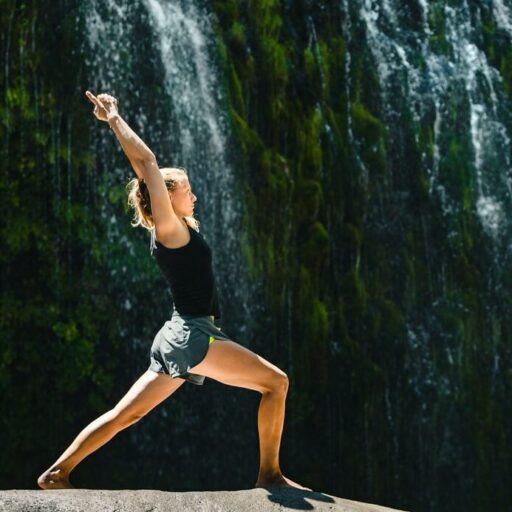
- Outdoor Yoga: Grounding (literally) in the grass.
- Kayaking/Paddleboarding: Combining “Blue Space” with green exercise.
- Gardening: Don’t underestimate the calorie burn of weeding!
- Wild Swimming: Invigorating and metabolic-boosting.
- Mountain Biking: High-intensity interval training (HIIT) provided by nature.
- Forest Bathing: Slow, mindful movement. Explore Forest Bathing Benefits for more.
- Parkour/Natural Movement: Using rocks and trees as your equipment. See our Natural Bodyweight Exercises section.
- Walking the Dog: The most consistent form of green exercise for many!
🧠 How Nature Boosts Mental Health During Exercise
Have you ever noticed that a 30-minute walk in the woods feels like a brain reset? This is often attributed to Attention Restoration Theory (ART). Our urban lives require “directed attention” (emails, traffic, screens), which is exhausting. Nature provides “soft fascination,” allowing our brains to recover.
As Michigan State University points out, “Even brief times engaging in green exercise showed improvements in mental health.” This is echoed in our featured video, where experts discuss how “when you’re in nature, your body is designed to do that.”
🌍 Environmental Impact: Why Green Exercise Is a Win-Win
When we exercise outdoors, we develop a “connectedness to nature.” This isn’t just hippy-dippy talk; it’s science. People who exercise in nature are more likely to protect it. This is the core of Climate Aware Fitness.
✅ Pro: No electricity used for treadmills or AC. ✅ Pro: Encourages the preservation of local parks. ❌ Con: Potential for trail erosion if not managed (always follow Leave No Trace principles!).
👟 Gear Up: Essential Equipment and Apparel for Green Exercise
To enjoy the wild, you need the right kit. We’ve tested the best in the business. Check out our Fitness Gear Reviews for deep dives.
Green Exercise Gear Rating Table
| Brand/Product | Design | Durability | Eco-Friendliness | Overall Rating |
|---|---|---|---|---|
| Patagonia R1 Fleece | 9/10 | 10/10 | 10/10 | 9.7 |
| Merrell Moab 3 Hiking Boots | 8/10 | 9/10 | 7/10 | 8.0 |
| Garmin Fenix 7 Solar | 10/10 | 9/10 | 6/10 | 8.3 |
| Osprey Talon 22 Pack | 9/10 | 10/10 | 8/10 | 9.0 |
Detailed Analysis:
- Patagonia: The gold standard for sustainable gear. Their recycled materials and “Ironclad Guarantee” make them a favorite at Fitness and Nature™.
- Merrell: The “Moab” is a classic for a reason—out-of-the-box comfort for any green exercise newbie.
- Garmin: The solar charging feature is a game-changer for long treks, keeping you on the map without needing a wall outlet.
👉 Shop Gear on:
- Patagonia: Amazon | Patagonia Official
- Merrell: Amazon | Walmart | Merrell Official
- Garmin: Amazon | Garmin Official
📅 How to Incorporate Green Exercise Into Your Daily Routine
“I don’t have time to drive to a forest!” We hear you. But green exercise doesn’t require a national park.
- The “Green” Commute: Can you walk or bike through a park on your way to work?
- Lunch Break Laps: Find the nearest patch of grass or trees for a 15-minute brisk walk.
- Outdoor Meetings: Suggest a “walking meeting” in a nearby garden.
- Weekend Warrior: Dedicate Saturday mornings to a local trail.
Step-by-Step Guide to Starting:
- Week 1: 10 minutes of outdoor walking, 3x a week.
- Week 2: Increase to 20 minutes. Find a “green” route.
- Week 3: Try a “Walk with Ease” program as suggested by MSU.
👨 👩 👧 👦 Green Exercise for All Ages: Family-Friendly Ideas and Tips
Getting the kids away from the iPad is the ultimate challenge. Green exercise makes it a game.
- Geocaching: A high-tech treasure hunt using the Geocaching App.
- Nature Scavenger Hunts: Find a pinecone, a yellow leaf, and a smooth stone.
- Family Bike Rides: Use brands like Trek or Specialized for reliable family fleets.
👉 Shop Family Bikes on:
- Trek: Trek Official
- Specialized: Specialized Official
📊 Scientific Studies and Research Backing Green Exercise
The data is overwhelming. A study in PMC highlights that Natural Killer cell activity (the cells that fight viruses and cancer) increased for up to 30 days after a forest visit.
Key Research Findings:
- Perceived Exertion: Participants in a cycling study felt they were working less hard when looking at green images compared to grey or red.
- Bio-markers: Salivary cortisol levels drop significantly more in forest settings than in urban ones.
🧩 Common Challenges and How to Overcome Them
We get it—nature isn’t always sunshine and rainbows.
- Bad Weather: Invest in a good Arc’teryx Gore-Tex shell. “There’s no such thing as bad weather, only bad clothing.”
- Safety: Use the AllTrails app to stay on track and share your “Lifeline” with friends.
- Accessibility: Use TrailLink to find wheelchair-accessible or stroller-friendly paths.
📱 Apps and Tech Tools to Enhance Your Green Exercise Experience
Wait, isn’t tech the enemy of nature? Not if used correctly!
- AllTrails: The “Yelp” of hiking trails.
- Strava: Track your segments and compete with friends on local climbs.
- iNaturalist: Identify plants and animals while you rest.
- Merlin Bird ID: Turn your run into a bird-watching expedition.
👉 CHECK PRICE on:
- AllTrails Pro: AllTrails Official
- Strava Subscription: Strava Official
🌟 Inspiring Stories: Real-Life Experiences with Green Exercise
Meet Sarah, a 45-year-old accountant from Chicago. “I was burnt out and depressed. I started walking in the local arboretum for just 20 minutes a day. Within a month, my blood pressure dropped, and I felt like I had my life back. Now, I’m training for my first trail 10k!”
Stories like Sarah’s are why we do what we do. Nature isn’t just a backdrop; it’s a co-therapist.
💡 Expert Tips and Tricks for Maximizing Green Exercise Benefits
- Ditch the Headphones: To get the full “Attention Restoration” benefit, listen to the birds, not a podcast.
- Go “Off-Peak”: Visit trails early in the morning to avoid crowds and see more wildlife.
- Engage All Senses: Touch the bark, smell the damp earth, and watch the light filter through the trees.
- The “Blue” Bonus: If you can exercise near water (lakes, oceans, rivers), the psychological benefits are even higher!
But wait… if green exercise is so powerful, why isn’t everyone doing it? And what happens to your brain if you stop? We’ll explore the long-term sustainability of this movement in the final sections.
🏁 Conclusion: Embrace the Green Exercise Revolution!

After trekking through the science, stories, and gear of green exercise, one thing is crystal clear: nature is your ultimate fitness partner. From the immediate mood lift within five minutes of stepping outside to the long-term boosts in immune function and cardiovascular health, green exercise offers a holistic approach that no treadmill or gym membership can match.
Remember Sarah’s story? Her transformation from burnout to trail runner is a testament to the power of simply moving outdoors. And the best part? You don’t need fancy equipment or a gym membership to start. Just step outside, breathe deeply, and let nature do the rest.
We addressed the lingering question: If green exercise is so powerful, why isn’t everyone doing it? Barriers like accessibility, safety concerns, and urbanization do exist, but with apps like AllTrails and community programs, these are becoming easier to overcome. Plus, as awareness grows, urban planners are prioritizing green spaces, making it easier for all of us to get our dose of nature.
Our confident recommendation: Whether you’re a beginner or a seasoned athlete, incorporate green exercise into your routine. Start small—walk in your local park, try forest bathing, or garden with your family. The benefits are profound, the cost is low, and the experience is downright enjoyable. Your mind, body, and planet will thank you.
🔗 Recommended Links and Shopping
Ready to gear up for your green exercise adventure? Here are some top picks and resources to get you started:
-
Patagonia R1 Fleece:
Amazon | Patagonia Official Website -
Merrell Moab 3 Hiking Boots:
Amazon | Merrell Official Website -
Garmin Fenix 7 Solar GPS Watch:
Amazon | Garmin Official Website -
Osprey Talon 22 Backpack:
Amazon | Osprey Official Website -
Books on Green Exercise and Nature Therapy:
- Your Brain on Nature by Eva M. Selhub, MD & Alan C. Logan, ND
Amazon Link - Forest Bathing: How Trees Can Help You Find Health and Happiness by Dr. Qing Li
Amazon Link
- Your Brain on Nature by Eva M. Selhub, MD & Alan C. Logan, ND
❓ Frequently Asked Questions (FAQ) About Green Exercise

Are there any specific green exercise activities that are recommended for improving sleep quality?
Yes! Activities like forest bathing, gentle outdoor yoga, and walking in natural settings are particularly effective for enhancing sleep. Exposure to natural light during the day helps regulate your circadian rhythm, while the calming sensory input from nature reduces stress hormones that interfere with sleep. A study from the University of Essex found that even brief green exercise sessions can improve sleep quality by lowering cortisol levels and promoting relaxation.
What role does green exercise play in reducing symptoms of anxiety and depression?
Green exercise combines physical activity with nature exposure, both of which independently reduce anxiety and depression. The natural environment provides “soft fascination,” allowing your brain to rest from overstimulation, while exercise releases endorphins and serotonin. According to research published in PMC, participants experienced immediate mood improvements and reduced tension after green exercise sessions.
How does exposure to natural light during green exercise impact vitamin D levels?
Natural sunlight is the primary source of vitamin D, essential for bone health, immune function, and mood regulation. Just 10-15 minutes of midday sun exposure during green exercise can help your body synthesize adequate vitamin D. This is especially important in regions with limited sunlight during winter months, where green exercise can help mitigate seasonal affective disorder (SAD).
What are some examples of green exercises that can be done in urban areas?
Urban dwellers can still reap green exercise benefits by utilizing city parks, community gardens, rooftop green spaces, and tree-lined streets. Activities include walking or jogging in parks, urban cycling, outdoor tai chi or yoga, and gardening. Apps like AllTrails and local green space maps can help you discover nearby spots.
Can green exercise be adapted for people with limited mobility or disabilities?
Absolutely! Green exercise is inclusive. Accessible trails, community gardens with raised beds, and seated outdoor yoga or tai chi classes are excellent options. Organizations and apps like TrailLink provide information on wheelchair-accessible paths. The key is to tailor the activity to individual ability while maximizing exposure to natural environments.
How does green exercise improve mood and reduce stress levels?
Nature exposure lowers cortisol and adrenaline, the body’s primary stress hormones, while exercise increases endorphins—the “feel-good” chemicals. The combination enhances parasympathetic nervous system activity, promoting relaxation and mental clarity. The “Attention Restoration Theory” explains how nature replenishes cognitive resources depleted by urban stressors.
What are the benefits of exercising outdoors in nature for mental health?
Exercising outdoors improves self-esteem, reduces anxiety and depression, and increases social connectedness. It also fosters a sense of awe and mindfulness, which can enhance overall life satisfaction. Studies show that green exercise can produce greater psychological benefits than indoor workouts, including improved mood and reduced mental fatigue.
Can green exercise help reduce stress and improve overall well-being?
Yes! Green exercise is a powerful stress reducer. It lowers blood pressure, improves heart rate variability, and boosts immune function. The sensory experience of nature combined with physical movement creates a holistic effect that supports emotional resilience and physical health.
How does green exercise contribute to environmental awareness and sustainability?
Regular engagement with natural environments fosters a deeper connection to the planet, motivating individuals to protect and preserve green spaces. This “nature connectedness” often translates into sustainable lifestyle choices, such as reducing waste, supporting conservation efforts, and advocating for urban green space development.
Are there any safety precautions I should take when exercising outdoors?
✅ Always check weather conditions and dress appropriately.
✅ Use sunscreen and insect repellent.
✅ Carry water and stay hydrated.
✅ Inform someone of your route or use apps like AllTrails for navigation and safety.
✅ Be aware of local wildlife and trail conditions.
✅ Follow Leave No Trace principles to protect the environment.
How can I incorporate green exercise into my daily routine?
Start small: take short walks in your neighborhood park, bike to work, or do stretching exercises in your backyard. Schedule outdoor breaks during work hours and plan weekend hikes or gardening sessions. Using apps like Strava or AllTrails can help track progress and keep motivation high.
Where can I find accessible green spaces for outdoor workouts?
Use online resources like TrailLink, AllTrails, or local government parks websites to locate green spaces near you. Many cities have dedicated accessible trails and community gardens. Libraries and community centers often offer information on local outdoor programs.
What types of activities qualify as green exercise?
Any physical activity performed in natural settings qualifies, including walking, running, cycling, hiking, gardening, outdoor yoga, forest bathing, and even wild swimming. The key is the combination of movement and exposure to nature.
How does exercising in nature improve physical fitness compared to indoor workouts?
Outdoor workouts often involve varied terrain and natural obstacles, which engage more muscle groups and improve balance and coordination. The fresh air and natural stimuli can increase endurance and motivation, leading to longer and more enjoyable sessions.
What are the benefits of green exercise for mental health?
Green exercise reduces symptoms of depression and anxiety, improves mood, enhances cognitive function, and increases feelings of vitality and well-being. It also helps restore attention and reduce mental fatigue.
Are there any potential downsides to green exercise?
❌ Weather dependency can limit outdoor activity.
❌ Accessibility issues for some populations.
❌ Risk of injury on uneven terrain.
❌ Environmental impact if trails are overused or not respected.
These can be mitigated with proper planning, gear, and awareness.
What should I wear and bring when doing green exercise?
Wear moisture-wicking, breathable clothing and sturdy footwear appropriate for the terrain. Bring water, sunscreen, insect repellent, a hat, and a small first aid kit. Layering is key for changing weather conditions.
Is green exercise safe for everyone?
Generally, yes, but individuals with specific health conditions should consult their healthcare provider before starting new exercise routines. Adaptations can be made for all fitness levels and abilities.
📚 Reference Links and Further Reading
- University of Essex, Green Exercise and Health — PMC Article
- Michigan State University, Green Exercise Can Improve Physical and Mental Health — MSU News
- Wikipedia, Green Exercise — Wikipedia Article
- Patagonia Official Website
- Merrell Official Website
- Garmin Official Website
- Osprey Official Website
- AllTrails Official Website
- TrailLink
- Geocaching Official Website
For more expert advice and tips, explore our related categories on Green Living Fitness Tips and Forest Bathing Benefits.
Ready to step outside and transform your health? The green gym awaits! 🌿👟


