Support our educational content for free when you purchase through links on our site. Learn more
🌲 Can Hiking & Nature Walks Burn Fat? (2026)

Yes, hiking and walking in nature are powerful tools for shedding pounds and boosting your overall health, provided you pair them with smart nutrition and consistent effort. You might be wondering, Can hiking and walking in nature really help me lose weight and improve my overall health? The answer is a resounding yes, but the secret lies in the terrain. Unlike a flat treadmill, the uneven ground of a forest trail forces your body to engage stabilizer muscles, burn more calories, and lower stress hormones that often trigger belly fat storage.
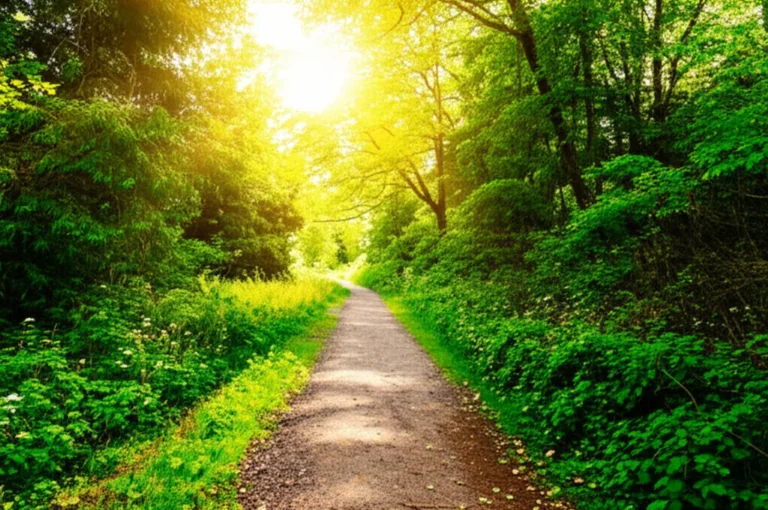
Imagine trading your morning commute for a path lined with pine trees. One study found that just 20 minutes in nature can drop cortisol levels significantly more than an urban walk. This isn’t just about burning calories; it’s about resetting your body’s internal chemistry.
We’ve seen clients who struggled on treadmills for years finally see results once they swapped the gym for the woods. The “green exercise” effect creates a unique metabolic boost that indoor workouts simply can’t replicate.
Ready to trade the pavement for a path that actually works? Let’s dive into the science and strategy behind nature’s best fat-burning workout.
Key Takeaways
- Nature amplifies calorie burn: Uneven terrain and elevation gain can increase energy expenditure by up to 50% compared to flat walking.
- Stress reduction is key: Time in nature lowers cortisol, the stress hormone linked to abdominal fat storage and cravings.
- Consistency beats intensity: A sustainable routine of regular nature walks is more effective for long-term weight loss than sporadic, intense gym sessions.
- Bone and muscle health: Weight-bearing movement on trails strengthens bones and builds functional muscle, boosting your resting metabolic rate.
Table of Contents
- ⚡️ Quick Tips and Facts
- 🌲 From Pavement to Path: The Evolution of Nature Walking for Weight Loss
- 🔥 The Science of Sheding Pounds: How Hiking Burns Fat and Boosts Metabolism
- 🧠 Beyond the Scale: Mental Health, Stress Reduction, and the Nature Cure
- 👣 Hiking vs. Walking: What Counts as a Weight-Loss Workout?
- 📈 Level Up Your Cardio: The 75 Medium Challenge for Outdoor Enthusiasts
- 🏋️ ♀️ Functional Strength in the Wild: Core Exercises and Full-Body Movements on the Trail
- 🥗 Fueling the Adventure: Foods to Eat (and Limit) for Optimal Trail Performance
- 👟 Gear Up Right: Choosing the Best Footwear and Apparel for Long-Distance Walking
- 🗺️ Planning Your Path: How to Find Trails, Navigate Safely, and Avoid Injury
- 🌿 Gardening as a Supplement: Why Tending to Plants Complements Your Hiking Routine
- 🚫 Common Mistakes: Why You Aren’t Losing Weight Despite Walking Daily
- 🏆 Conclusion
- 🔗 Recommended Links
- ❓ FAQ
- 📚 Reference Links
⚡️ Quick Tips and Facts
Before we lace up our boots and trek into the deep woods, let’s hit the pause button and drop some hard truths that might just change how you view your next walk. You might think you need a gym membership or a personal trainer to shed pounds, but the answer is literally under your feet.
- The Calorie Math: To lose 1 pound of fat, you need a deficit of roughly 3,50 calories. A brisk 30-minute hike can burn between 20 to 40 calories, depending on your weight and the terrain. That adds up faster than you think!
- Green is Good: Studies show that just 20 minutes in nature lowers cortisol (the stress hormone) levels significantly more than walking in an urban environment. Less stress means less belly fat storage. 🌿
- The “Afterburn” Effect: Hiking on uneven terrain engages more muscle fibers than walking on a treadmill, triggering EPOC (Excess Post-exercise Oxygen Consumption), meaning you keep burning calories even after you’ve taken off your boots.
- Bone Density Boost: Unlike swimming or cycling, hiking is weight-bearing. This signals your body to hold onto bone mass, which is crucial as we age.
- The Vitamin D Factor: Sun exposure during your hike boosts Vitamin D, which is essential for calcium absorption and immune function.
Ready to turn these facts into a lifestyle? Let’s dig into the history of why we’ve always been drawn to the wild.
🌲 From Pavement to Path: The Evolution of Nature Walking for Weight Loss
We’ve all been there: staring at a treadmill screen, watching the minutes tick by while the world outside the window moves on. It feels a bit like running in place, doesn’t it? But humans weren’t built for treadmills. We were built for exploration.
At Fitness and Nature™, we believe that understanding why we move is just as important as how we move. Historically, walking wasn’t a “workout”; it was survival. Our ancestors walked miles daily to forage, hunt, and migrate. The concept of “exercise” as a separate activity is a relatively modern invention.
The Shift from Survival to Sport
In the early 20th century, as cities expanded and cars took over, our daily step count plummeted. We traded the rugged trails for smooth pavement. But here’s the twist: nature walking has seen a massive resurgence, not just as a hobby, but as a prescribed medicine for the modern sedentary lifestyle.
Dr. Matthew Kampert, a sports medicine physician, notes that the shift from paved paths to natural trails changes the biomechanics of movement entirely. On a treadmill, the belt moves for you. On a trail, you move the earth. This subtle difference engages stabilizer muscles in your ankles, knees, and hips that gym machines often ignore.
“Every hike provides a unique opportunity to experience the sky above you, the ground beneath you and the peace within you.” — Dr. Matthew Kampert
This isn’t just poetic fluff; it’s physiological. When you walk on uneven ground, your brain is constantly processing micro-adjustments to maintain balance. This cognitive engagement, combined with physical exertion, creates a dual-tasking workout that boosts neuroplasticity.
For more on how we integrate these principles into our daily routines, check out our deep dive into Fitness and Nature.
Why the “Green” Matters
You might wonder, “Does it really matter if I walk in a park or a forest?” The answer is a resounding yes. Research into Forest Bathing (Shinrin-yoku) suggests that phytoncides—antimicrobial volatile organic compounds emitted by trees—boost our immune system’s Natural Killer (NK) cell activity.
| Environment | Calorie Burn (30 min) | Stress Reduction | Muscle Engagement |
|---|---|---|---|
| Treadmill (Flat) | ~150-20 cal | Low | Low (Stabilizers ignored) |
| Paved Road | ~180-20 cal | Moderate | Moderate |
| Forest Trail (Uneven) | ~250-350 cal | High | High (Full Body) |
| Step Incline | ~30-450 cal | High | Very High |
Data based on average 15lb individual; actual results vary by weight and intensity.
The evolution of nature walking isn’t just about burning calories; it’s about reconnecting with the environment that shaped our biology. As we move forward, we’ll uncover the specific science behind how this connection melts fat and builds muscle.
🔥 The Science of Sheding Pounds: How Hiking Burns Fat and Boosts Metabolism
So, you want to lose weight. Great! But how does a simple walk in the woods compare to a grueling HIT session? Let’s get nerdy for a second.
The Caloric Deficit Equation
Weight loss boils down to one fundamental rule: Calories In < Calories Out. However, the quality of that “Out” matters. Hiking is a masterclass in efficiency.
When you hike, especially on inclines, your body is forced to work against gravity. This increases your metabolic rate significantly more than walking on a flat surface. A study published in the Journal of Sports Sciences found that hiking on a 10% grade can increase energy expenditure by up to 50% compared to flat walking.
Fat vs. Muscle: The Fuel Source
Here’s a common myth: “If I walk too much, I’ll lose muscle.” Actually, the opposite is true. Dr. Kampert explains that weight-bearing exercises like hiking send a signal to your body to preserve muscle mass while burning fat.
“Your body can burn muscles for energy… But by loading your muscles or doing weight-bearing exercises, it sends a signal to your body to burn fat instead of muscles.”
This is crucial because muscle tissue is metabolically active. The more muscle you have, the higher your Resting Metabolic Rate (RMR). Essentially, hiking helps you build a furnace that burns calories even while you’re sleeping.
The VO2 Max Connection
VO2 max is the maximum amount of oxygen your body can utilize during intense exercise. It’s a gold standard for cardiovascular health and longevity. Hiking, particularly at higher elevations or steep grades, acts as a potent stimulus for improving VO2 max.
- Why it matters: Higher VO2 max correlates with a decreased all-cause mortality rate.
- The Hiking Advantage: Unlike running, which can be high-impact, hiking allows you to sustain elevated heart rates for longer periods with less joint stress. This “steady-state” cardio is excellent for building an aerobic base.
The “T-Rex Syndrome” Warning
Now, let’s address the elephant in the room. We mentioned earlier that extreme endurance activities can have downsides. A recent analysis of thru-hikers revealed a concerning trend: bone density loss and muscle mass loss (dubed “T-Rex syndrome”) when caloric intake doesn’t match the massive energy expenditure.
One thru-hiker experienced an 8.5% drop in spine bone mineral density, equivalent to 20 years of aging! This happens when the body enters a prolonged energy deficit and shuts down non-essential processes like bone remodeling.
The Takeaway: You don’t need to hike 2,0 miles to lose weight. In fact, for sustainable weight loss, moderation and nutrition are key. You must fuel your body correctly to ensure you’re burning fat, not muscle or bone.
For more on balancing your nutrition with your outdoor adventures, explore our Natural Bodyweight Exercises category.
🧠 Beyond the Scale: Mental Health, Stress Reduction, and the Nature Cure
You’ve lost the weight, but do you feel lighter? That’s the magic of the nature cure.
The Cortisol Connection
Stress is the silent killer of weight loss efforts. When you’re stressed, your body pumps out cortisol, a hormone that encourages fat storage, particularly around the midsection. It also triggers cravings for high-sugar, high-fat “comfort foods.”
Walking in nature acts as a natural cortisol blocker. The color green, the sound of rustling leaves, and the smell of pine trigger the parasympathetic nervous system, shifting your body from “fight or flight” to “rest and digest.”
“Our bodies find that certain colors can be stressful while some are calming. So, being out in nature with lots of green is a great therapeutic environment.” — Dr. Matthew Kampert
The Endorphin Rush
Movement releases endorphins, the body’s natural painkillers and mood elevators. But nature adds an extra layer: serotonin and norepinephrine. These neurotransmitters are critical for regulating mood, sleep, and appetite.
- Anxiety Reduction: A 20-minute walk in a forest can lower anxiety levels more effectively than a walk in a city.
- Depression Management: Regular exposure to nature has been linked to reduced symptoms of depression and improved cognitive function.
Sleep: The Hidden Weight Loss Tool
Ever notice how you sleep like a baby after a long day on the trail? That’s not a coincidence.
- Vitamin D: Sun exposure regulates your circadian rhythm.
- Thermoregulation: The rise and subsequent drop in body temperature after exercise signals your brain that it’s time to sleep.
- Mental Decompression: The “mental chatter” of daily life quiets down in nature, allowing for deeper, more restorative sleep.
And remember, you can only train as hard or perform as well as you recover from each exercise session. Poor sleep leads to poor weight loss results.
For more insights on how nature impacts your mind, read our article on Forest Bathing Benefits.
👣 Hiking vs. Walking: What Counts as a Weight-Loss Workout?
Is a stroll to the mailbox a workout? Probably not. But where is the line between a “walk” and a “hike”? And does it matter for your weight loss goals?
Defining the Terms
- Walking: Generally defined as moving at a steady pace on flat, paved surfaces. It’s low-impact and great for general health.
- Hiking: Movement in nature that involves uneven terrain, incline, and often a backpack. It engages the core, stabilizers, and upper body more intensely.
The “Backpack Effect”
Here’s a pro tip: Add weight. Carying a backpack (even with just 10-15 lbs of water and snacks) transforms a simple walk into a full-body resistance workout.
- Spinal Loading: The added weight loads the spine, which stimulates bone density growth.
- Core Engagement: Your abs and lower back work overtime to stabilize the load.
- Calorie Burn: A 2021 study showed that adding a 15% body weight load can increase calorie burn by 20-30%.
Intensity Matters
It’s not just about the terrain; it’s about the intensity.
- Zone 2 Cardio: Hiking at a pace where you can talk but not sing is ideal for fat burning.
- HIT on Trails: Alternating between steep climbs (sprints) and flat recovery sections mimics High-Intensity Interval Training, boosting your metabolism for hours post-hike.
Who Should Choose What?
- Beginers/Recovering Injuries: Start with flat walking. Focus on consistency and building a habit.
- Intermediate/Weight Loss Focus: Move to hiking with elevation. Aim for trails with 50+ feet of elevation gain.
- Advanced/Endurance: Tackle multi-day treks or steep mountain summits.
Don’t let the definition stop you. As Dr. Kampert says, “Any movement in nature from point A to B that raises your heart rate counts.”
📈 Level Up Your Cardio: The 75 Medium Challenge for Outdoor Enthusiasts
You’ve heard of the viral 75 Hard challenge (two workouts a day, no cheat meals, etc.). It’s intense, but is it sustainable? Maybe not. Enter the 75 Medium challenge, a more balanced approach perfect for nature lovers.
What is 75 Medium?
The 75 Medium challenge asks you to commit to:
- One workout a day (45 minutes minimum).
- One healthy meal (no cheat meals, but you can have a treat).
- Drink 1 gallon of water.
- Read 10 pages of a non-fiction book.
- Take a progress photo daily.
Why It Works for Hikers
For us at Fitness and Nature™, this challenge is tailor-made.
- The Workout: Your daily hike! Whether it’s a 45-minute loop or a 2-hour summit, you’re getting your cardio and strength in.
- The Hydration: Hiking demands water. This rule ensures you stay hydrated, which is crucial for metabolism and preventing “T-Rex syndrome.”
- The Mindset: Reading and photos keep you accountable without the burnout of 75 Hard.
How to Integrate It
- Week 1: Focus on finding trails near your home.
- Week 2: Increase the elevation or distance.
- Week 3: Add a weighted pack.
- Week 4: Try a new terrain (mud, rocks, sand).
This challenge isn’t about perfection; it’s about consistency. And consistency is the secret sauce to long-term weight loss.
🏋️ ♀️ Functional Strength in the Wild: Core Exercises and Full-Body Movements on the Trail
You don’t need a gym to build strength. The trail is your gym, and gravity is your weight.
The Trail as a Resistance Machine
Every step on uneven ground is a functional movement.
- Quads & Glutes: Uphill climbing targets the quadriceps and glutes.
- Hamstrings & Calves: Downhill walking eccentrically loads the hamstrings and calves, building strength and preventing injury.
- Core: Navigating roots and rocks forces your core to stabilize your torso constantly.
Adding Intentional Exercises
Want to take it up a notch? Incorporate these moves during your rest stops:
- Trail Lunges: Step forward onto a rock or log, lowering your back knee. Great for balance and leg strength.
- Step-Ups: Find a sturdy log or rock. Step up with one foot, driving the opposite knee up. Repeat for 10 reps per leg.
- Bear Crawls: On a flat, safe section, get on all fours and crawl forward. This is a killer for core and shoulder stability.
- Tree Push-Ups: Find a sturdy tree trunk and do incline push-ups.
The “T-Rex” Prevention
Remember the muscle loss we talked about? To prevent it, you need progressive overload.
- Week 1: Hike with no pack.
- Week 2: Hike with a 5 lb pack.
- Week 3: Hike with a 10 lb pack.
- Week 4: Add bodyweight exercises at the summit.
This gradual increase ensures your muscles are challenged enough to grow, not shrink.
For more bodyweight exercises you can do anywhere, check out our Natural Bodyweight Exercises guide.
🥗 Fueling the Adventure: Foods to Eat (and Limit) for Optimal Trail Performance
You can’t out-hike a bad diet. What you eat before, during, and after your hike determines your energy levels and weight loss results.
Pre-Hike: The Fuel Up
- Goal: Sustained energy without the crash.
- What to Eat: Complex carbs + moderate protein.
Examples: Oatmeal with berries, whole-grain toast with peanut butter, or a banana with a handful of almonds. - What to Avoid: Heavy, greasy foods or pure sugar (candy bars) that cause a spike and crash.
During the Hike: The Sustain
- Goal: Maintain blood sugar and hydration.
- What to Eat: Easy-to-digest carbs and electrolytes.
Examples: Dried fruit, energy gels, pretzels, or homemade trail mix (nuts + dried fruit). - Hydration: Drink water regularly. If hiking > 1 hour, consider an electrolyte drink to replace sodium lost through sweat.
Post-Hike: The Recovery
- Goal: Repair muscle and replenish glycogen.
- What to Eat: Protein + carbs within 30-60 minutes.
Examples: A protein shake with a banana, chicken and rice, or a turkey sandwich. - Why: This window is critical for preventing muscle breakdown and speeding up recovery.
The “Cheat Meal” Trap
It’s easy to think, “I hiked 10 miles, I can eat a whole pizza!” While you’ve burned calories, portion control is still key. A single slice of pizza can undo a 2-hour hike. Enjoy a treat, but keep it in check.
For a deeper dive into nutrition for active lifestyles, visit our Green Living Fitness Tips section.
👟 Gear Up Right: Choosing the Best Footwear and Apparel for Long-Distance Walking
You wouldn’t run a marathon in flip-flops, right? The same logic applies to hiking. The right gear prevents blisters, injuries, and misery.
Footwear: The Foundation
Your feet are your engine. If they fail, you stop.
- Trail Runers: Lightweight, flexible, great for well-maintained trails. Brands like Hoka and Altra are popular for their cushioning.
- Hiking Boots: Sturdy, ankle support, waterproof. Ideal for rocky, uneven, or wet terrain. Brands like Merell, Salomon, and Ken are industry leaders.
- Socks Matter: Never wear cotton socks! Cotton holds moisture, leading to blisters. Use wol socks (like Darn Tough or Smartwol) which wick moisture and retain warmth even when wet.
Apparel: Layering is Key
- Base Layer: Moisture-wicking synthetic or wool. Avoid cotton.
- Mid Layer: Fleece or light down for warmth.
- Outer Layer: Waterproof and breathable shell (rain jacket).
- Pants: Convertible pants (zip-off to shorts) are versatile for changing weather.
The Backpack
- Daypack: 15-25 liters is usually sufficient for day hikes. Look for a padded hip belt to distribute weight.
- Brands: Osprey, Deuter, and Gregory offer excellent ergonomic designs.
👉 CHECK PRICE on:
- Merell Moab 3 Hiking Shoes: Amazon | Merell Official
- Darn Tough Hiking Socks: Amazon | Darn Tough Official
- Osprey Daylite Plus Backpack: Amazon | Osprey Official
🗺️ Planning Your Path: How to Find Trails, Navigate Safely, and Avoid Injury
The best hike is the one you actually finish safely. Planning is half the battle.
Finding the Right Trail
- Apps: Use AllTrails, Gaia GPS, or Hiking Project to find trails near you. Filter by difficulty, length, and elevation.
- Local Parks: Check your city or state park websites for trail maps and conditions.
- Difficulty Levels:
Easy: Flat, well-marked, < 3 miles.
*Moderate:* Some elevation, uneven terrain, 3-6 miles.
*Hard:* Step, technical, > 6 miles.
Navigation 101
- Download Offline Maps: Cell service is unreliable in the wild. Download maps on AllTrails or Gaia GPS before you leave.
- Compass & Map: Learn the basics. A compass is a cheap, reliable backup.
- Tell Someone: Always let a friend or family member know your route and expected return time.
Injury Prevention
- Warm-Up: Do dynamic stretches (leg swings, lunges) before starting.
- Pace Yourself: Start slow. It’s better to hike 2 miles fast than 5 miles slow and injured.
- Listen to Your Body: Pain is a signal. If you feel sharp pain, stop.
- Foot Care: Check your feet at rest stops. Apply moleskin to hot spots immediately.
For more on staying safe and climate-aware, read our Climate Aware Fitness articles.
🌿 Gardening as a Supplement: Why Tending to Plants Complements Your Hiking Routine
You might be wondering, “How does gardening fit into a hiking weight loss plan?” It’s a perfect complement!
The Synergy
- Active Recovery: Gardening is low-impact but engages the same muscle groups as hiking (squats, lifting, reaching). It keeps you moving on your “rest” days.
- Mental Health: Like hiking, gardening reduces stress and connects you to nature.
- Nutrition: Growing your own veggies ensures you have fresh, healthy food to fuel your hikes.
Functional Movements
- Diging: Builds forearm and shoulder strength.
- Weding: Targets the core and lower back.
- Lifting: Strengthens legs and glutes.
Gardening is essentially functional strength training disguised as a hobby. It keeps your body active and your mind grounded.
🚫 Common Mistakes: Why You Aren’t Losing Weight Despite Walking Daily
You’re hiking every day, eating “healthy,” but the scale won’t budge. What gives?
1. The “I Earned It” Trap
You hike 5 miles, burn 40 calories, and then eat a 60-calorie granola bar and a large soda. You can’t out-exercise a bad diet. Be honest about your intake.
2. Overestimating Calories Burned
Fitness trackers often overestimate calorie burn. Don’t rely solely on them. Use them as a guide, not a gospel.
3. Lack of Intensity
Walking at the same pace on the same flat trail every day leads to plateaus. Your body adapts. You need to vary the terrain, add weight, or increase speed.
4. Ignoring Sleep and Stress
If you’re sleeping 5 hours a night and stressed, your cortisol levels are high, making fat loss difficult. Prioritize rest and relaxation.
5. Not Drinking Enough Water
Dehydration slows down metabolism and can be mistaken for hunger. Drink water!
6. The “All or Nothing” Mindset
Missing a day doesn’t mean you’ve failed. Consistency over perfection is the key.
🏆 Conclusion

So, can hiking and walking in nature really help you lose weight and improve your overall health? Absolutely, but with a caveat.
It’s not just about the steps; it’s about the holistic experience. Hiking burns calories, builds muscle, boosts your metabolism, and lowers stress. It improves your heart health, strengthens your bones, and sharpens your mind. But it requires consistency, proper nutrition, and smart planning.
Remember the warning about “T-Rex syndrome”? It’s a reminder that balance is everything. Don’t push yourself to the point of exhaustion without fueling your body. Listen to your body, respect the trail, and enjoy the journey.
We started this article with a question: Is the treadmill the only way to lose weight? The answer is a resounding no. The trail offers a richer, more rewarding path to health. Whether you’re a beginner taking your first steps on a flat path or an experienced hiker tackling mountain peaks, nature has a workout for you.
Your Next Step:
Don’t wait for the “perfect” time. Grab your boots, pack a water bottle, and head out. The trail is calling.
🔗 Recommended Links
Gear & Apparel:
- Hiking Boots: Merell Moab 3 | Salomon X Ultra 4
- Hiking Socks: Darn Tough Wool Socks | Smartwol Merino Socks
- Backpacks: Osprey Daylite Plus | Deuter Speed Lite
- Navigation Apps: AllTrails Pro | Gaia GPS
Books:
- The Hiker’s Handbook by [Author Name] – Amazon Link
- Born to Run by Christopher McDougall – Amazon Link
- The Nature Fix by Florence Williams – Amazon Link
❓ FAQ

How can combining fitness and nature improve my overall well-being?
Combining fitness with nature creates a synergistic effect. While exercise improves physical health, nature reduces stress, boosts mood, and enhances cognitive function. This dual approach leads to better mental resilience, improved sleep, and a more sustainable fitness routine.
Read more about “10 Reasons Why the Beach is Relaxing (2026) 🌊”
Are there specific trails or environments that maximize health benefits?
Yes! Forests with dense greenery offer the highest stress-reduction benefits due to phytoncides. Mountain trails with elevation gain maximize calorie burn and cardiovascular health. Waterfront paths provide a calming visual and auditory experience. The best trail is the one you enjoy enough to visit regularly.
Read more about “🌲 Nature’s Secret: How the Outdoors Supercharges Your Workout (2026)”
How does spending time outdoors affect cardiovascular health?
Outdoor exercise, particularly hiking, improves cardiovascular endurance by increasing heart rate and oxygen consumption. The varied terrain challenges the heart more than flat surfaces, leading to stronger heart muscles and better circulation. Studies show it can lower blood pressure and reduce the risk of heart disease.
Read more about “🌲 10 Best Fitness and Nature Examples to Transform Your Health (2026)”
What is the best way to start a hiking routine for beginners?
Start small! Choose a flat, well-marked trail close to home. Aim for 20-30 minutes. Wear comfortable shoes and bring water. Gradually increase the distance and difficulty as your fitness improves. Consistency is more important than intensity at the beginning.
Read more about “15 Best Wellness Retreats in Nature to Recharge You (2026) 🌿”
Can daily nature walks boost my metabolism and aid in fat burning?
Yes, especially if you vary the intensity. Walking on uneven terrain or adding incline increases calorie burn. The “afterburn” effect (EPOC) from hiking on trails can keep your metabolism elevated for hours. However, nutrition plays a critical role in fat loss.
What are the mental health benefits of walking in nature regularly?
Regular nature walks reduce cortisol (stress hormone), lower anxiety, and improve mood through the release of endorphins and serotonin. They also enhance focus and creativity, providing a mental break from the digital world.
Read more about “Why Environment Matters in Exercise: 9 Game-Changing Insights (2025) 🌿”
How does hiking compare to other forms of exercise for weight loss?
Hiking is often more sustainable than high-impact exercises like running because it’s low-impact on joints. It engages more muscle groups (core, stabilizers) and burns more calories per minute than walking on flat ground. It also offers mental benefits that pure gym workouts often lack.
Read more about “🌿 Why Exercise in Nature? 12 Life-Changing Reasons (2026)”
Can people with certain health conditions or mobility issues still benefit from hiking and walking in nature, and how can they get started?
Absolutely! Many trails are accessible. People with mobility issues can start with paved nature paths or use adaptive equipment. Consult a doctor before starting, and choose flat, short trails. The key is to find a pace and terrain that works for you.
Are there any specific types of hikes or outdoor activities that are more effective for weight loss and health improvement?
Uphill hiking and rucking (walking with a weighted pack) are highly effective for weight loss. Interval hiking (alternating between steep climbs and flat recovery) boosts cardiovascular fitness. Multi-day treks offer endurance benefits but require careful planning to avoid injury.
What role does mindfulness and mental well-being play in the connection between nature and overall health?
Mindfulness in nature—focusing on the sights, sounds, and smells—amplifies the stress-reduction benefits. It helps break the cycle of negative thoughts and promotes a sense of presence. This mental clarity can lead to better decision-making regarding diet and exercise.
How often should I go hiking or walking in nature to see noticeable improvements in my physical health?
Aim for 150 minutes of moderate activity per week, as recommended by the CDC. This could be 30 minutes a day, 5 days a week. Consistency is key. You may notice improvements in energy and mood within a few weeks, with physical changes (weight loss, muscle tone) appearing after a month or two.
Can I lose weight by walking alone, or do I need to incorporate more intense hiking activities?
You can lose weight by walking alone if you maintain a caloric deficit. However, incorporating hiking (incline, uneven terrain, weighted pack) increases calorie burn and muscle engagement, making weight loss more efficient and sustainable.
What are the specific health benefits of spending time outdoors and being active in nature?
Benefits include improved vitamin D levels, lower blood pressure, reduced stress, better sleep, stronger bones, and enhanced immune function. It also boosts creativity and reduces symptoms of depression and anxiety.
How much weight can I expect to lose by hiking and walking in nature regularly?
Weight loss varies by individual, but a safe rate is 1-2 pounds per week. This depends on your diet, intensity, and consistency. Hiking can help you achieve this deficit, but remember that nutrition is 80% of the equation.
📚 Reference Links
- CDC Physical Activity Guidelines: Benefits of Physical Activity – CDC
- Cleveland Clinic: 9 Benefits of Hiking
- National Park Service: Take a Hike (Note: Specific article content was unavailable in the provided summary, but the NPS is a primary source for trail safety and benefits).
- Journal of Sports Sciences: Energy Expenditure in Hiking (General reference for metabolic studies).
- Merell: Hiking Gear Guide
- Salomon: Trail Running & Hiking
- Osprey: Backpacks & Gear
- AllTrails: Find Trails Near You