Support our educational content for free when you purchase through links on our site. Learn more
7 Best Fitness Programs for Outdoor Enthusiasts to Try in 2026 🌲

Are you ready to take your outdoor adventures to the next level? Whether you’re conquering rugged mountain trails, mastering your paddleboard, or gearing up for your first obstacle course race, specialized fitness programs designed for outdoor enthusiasts can transform your experience. Did you know that training specifically for the demands of nature not only boosts your performance but also dramatically reduces injury risk? We’ve seen hikers go from struggling with steep ascents to effortlessly cruising through multi-day treks after just a few months of targeted training.
In this comprehensive guide, we’ll reveal the top 7 fitness programs tailored to your favorite outdoor pursuits—from trail running and climbing to winter sports and adaptive recreation. Plus, we’ll share expert tips on nutrition, gear, and mental resilience that will keep you motivated rain or shine. Curious about how yoga can enhance your balance on the trail or which strength exercises will make your pack feel lighter? Keep reading to uncover all that and more!
Key Takeaways
- Specialized training programs are essential for building the strength, endurance, and balance needed for outdoor activities.
- Tailor your fitness plan to your preferred adventure—whether it’s hiking, climbing, paddling, or winter sports—for maximum performance and safety.
- Incorporate functional strength, cardiovascular conditioning, and mobility work to prepare your body for unpredictable terrain and loads.
- Don’t overlook the power of mental resilience and mindful movement like yoga and Pilates to enhance focus and prevent injury.
- Joining community groups and adaptive programs can boost motivation, provide support, and make outdoor fitness accessible to all abilities.
- Proper nutrition, hydration, and gear selection are critical components of a successful outdoor fitness journey.
Ready to find the perfect program that fits your goals and lifestyle? Dive in and start your transformation today!
Table of Contents
- ⚡️ Quick Tips and Facts for Outdoor Fitness
- 🌲 The Call of the Wild: A Brief History of Outdoor Adventure Fitness
- 🗺️ Charting Your Course: Why Specialized Fitness Programs Matter for Outdoor Enthusiasts
- 🌟 Top Fitness Programs Tailored for Outdoor Adventurers
- ⛰️ Mountain & Trail Conquerors: Hiking, Backpacking, and Trail Running Programs
- 🧗 Vertical Victors: Climbing and Bouldering Specific Training
- 🌊 Water Warriors: Paddling, Kayaking, and SUP Fitness Regimens
- 🚴 ♂️ Pedal Power: Mountain Biking and Cycling Endurance Training
- ❄️ Winter Wonders: Skiing, Snowboarding, and Snowshoeing Conditioning
- 🏃 ♂️ Multi-Sport Mavericks: Obstacle Course Racing (OCR) and Adventure Race Prep
- 🧘 ♀️ Mindful Movement in Nature: Yoga, Pilates, and Mobility for Outdoor Lifestyles
- 🤝 Community & Connection: Group Fitness and Outdoor Sports Leagues
- 🌱 Nurturing the Next Generation: Youth and Teen Outdoor Adventure Programs
- ♿ Inclusive Adventures: Adaptive Recreation and Fitness for All Abilities
- 🛠️ Building Your Own Outdoor Fitness Blueprint: Key Components of a Successful Program
- 🍎 Fueling Your Adventures: Nutrition and Hydration Strategies
- 🎒 Essential Gear for Outdoor Fitness Training
- 🚨 Safety First: Mitigating Risks in Your Outdoor Fitness Journey
- ❓ How to Choose the Right Outdoor Fitness Program for YOU
- 📈 Tracking Progress and Staying Motivated on Your Outdoor Fitness Journey
- 🚀 Conclusion: Embrace the Great Outdoors, Fitter Than Ever!
- 🔗 Recommended Links for Your Outdoor Fitness Journey
- ❓ FAQ: Your Burning Questions About Outdoor Fitness Programs Answered
- 📚 Reference Links
Welcome, fellow adventurers, to Fitness and Nature™! 👋 We’re thrilled you’re here, ready to dive headfirst into the exhilarating world where fitness meets the wild. If you’re like us, the gym’s four walls sometimes feel a little… confining. You crave the crunch of leaves underfoot, the crisp mountain air, the rush of a river, or the panoramic view from a summit. But here’s the kicker: simply being outdoors isn’t always enough to prepare you for the rigors of true outdoor adventure. That’s where specialized fitness programs for outdoor enthusiasts come in, and trust us, they’re a game-changer.
At Fitness and Nature™, we believe in embarking on a health journey that harmonizes with the natural world. We’re not just about getting fit; we’re about getting wildly fit, ready to tackle any trail, climb any peak, or paddle any waterway with confidence and joy. So, are you ready to transform your passion for the outdoors into peak physical prowess? Let’s get started!
⚡️ Quick Tips and Facts for Outdoor Fitness
Before we embark on our deep dive, here are some rapid-fire insights from our team to kickstart your outdoor fitness journey:
- Fact: Outdoor exercise can boost mood and reduce stress more effectively than indoor workouts. A 2011 study published in Environmental Science & Technology found that just five minutes of “green exercise” can improve self-esteem and mood. Source
- Tip: Vary your terrain! Training on uneven surfaces, inclines, and declines builds crucial stabilizer muscles often neglected in gym settings. Think trails, not just treadmills.
- Fact: Many outdoor activities, like hiking and trail running, are low-impact compared to road running, which can be kinder to your joints.
- Tip: Prioritize functional strength. Exercises that mimic real-world movements (squats, lunges, carries) are far more beneficial than isolated muscle work for outdoor performance.
- Fact: Exposure to natural light during outdoor workouts helps regulate your circadian rhythm, improving sleep quality. Source
- Tip: Don’t forget your core! A strong core is the foundation for balance, stability, and power in virtually every outdoor pursuit, from paddling to climbing.
- Fact: The average hiker burns between 400-550 calories per hour, depending on pack weight and terrain. Source
- Tip: Hydration is paramount. Always carry more water than you think you’ll need, especially in arid or high-altitude environments. Dehydration significantly impairs performance and safety.
- Fact: Community recreation divisions, like the City of Chandler Recreation Division, offer “a variety of programs and activities including educational classes, hands-on play, exciting sports and fitness opportunities for people of all ages, interests and skill levels,” as noted by chandleraz.gov. Don’t overlook local resources!
🌲 The Call of the Wild: A Brief History of Outdoor Adventure Fitness

Humans have always been outdoor enthusiasts, whether hunting, gathering, or simply exploring. Our very survival depended on our ability to navigate and thrive in natural environments. But the concept of “fitness programs” specifically for outdoor pursuits is a more recent evolution, mirroring the rise of recreational adventure sports.
For centuries, being “fit for the outdoors” simply meant being strong enough to farm, hunt, or travel. The industrial revolution, however, brought about a shift. As work moved indoors and became more sedentary, people began to seek out the outdoors for leisure and recreation. Early mountaineers, explorers, and pioneers of sports like skiing and kayaking inherently understood the need for physical conditioning, but their training was often informal and self-directed.
The mid-20th century saw a surge in organized outdoor recreation. National parks became popular, and activities like backpacking, rock climbing, and whitewater rafting gained traction. With this growth came a recognition that specialized physical preparation could enhance enjoyment, improve performance, and, crucially, increase safety. Universities, like the University of Montana, began to integrate fitness with outdoor activities, emphasizing that “Being physically prepared enhances safety and enjoyment,” as highlighted by their Outdoor Recreation Program.
Today, the field of outdoor adventure fitness is a vibrant, science-backed discipline. From specialized training protocols for ultra-marathoners to adaptive programs for individuals with disabilities, we’ve come a long way from simply “walking more.” We’ve learned that the unique demands of uneven terrain, unpredictable weather, and varied elevations require a holistic approach that goes beyond traditional gym routines. It’s about building resilience, both physical and mental, to truly answer the call of the wild.
🗺️ Charting Your Course: Why Specialized Fitness Programs Matter for Outdoor Enthusiasts
So, you love hiking. You hit the gym a few times a week, maybe run on the treadmill. That’s good, right? Well, yes, it’s a start! But if you’ve ever found yourself gasping for air on a steep ascent, struggling with a heavy pack, or feeling wobbly on a rocky descent, you know there’s a gap between general fitness and outdoor-specific readiness.
💪 Beyond the Gym: The Unique Demands of Outdoor Pursuits
The great outdoors isn’t a climate-controlled gym with perfectly flat surfaces and predictable resistance. It’s a dynamic, often challenging environment that throws curveballs at your body.
- Uneven Terrain: Trails are rarely flat. You’re constantly engaging stabilizer muscles in your ankles, knees, and hips to navigate roots, rocks, mud, and loose gravel. This requires proprioception (your body’s sense of position) and balance that a treadmill simply can’t replicate.
- Variable Inclines and Declines: Uphill climbs demand immense cardiovascular endurance and leg strength, while downhill descents challenge your eccentric muscle strength and joint stability.
- Carrying Loads: Backpacking, climbing, or even just a day hike often involves carrying gear, adding significant stress to your core, shoulders, and legs.
- Environmental Factors: Altitude, temperature extremes, wind, and precipitation all add layers of challenge, impacting your body’s physiological responses.
- Unpredictability: A sudden storm, a slippery patch, or an unexpected obstacle requires quick reactions, agility, and mental resilience.
As the University of Montana’s Outdoor Recreation Program aptly puts it, “Our programs aim to prepare you physically and mentally for outdoor adventures.” This holistic preparation is key.
🛡️ Injury Prevention and Peak Performance in Nature
This isn’t just about being able to do the activity; it’s about doing it safely, efficiently, and enjoyably.
- Injury Prevention: Many outdoor injuries (sprained ankles, knee pain, back strain) stem from a lack of specific conditioning. Strengthening the right muscle groups, improving mobility, and enhancing balance can drastically reduce your risk. Imagine trying to navigate a boulder field with weak ankles – a recipe for disaster!
- Enhanced Performance: Want to hike further, climb higher, paddle faster, or simply feel less fatigued at the end of an epic day? Specialized training builds the specific strength, endurance, and power required for your chosen activity.
- Increased Enjoyment: When your body is prepared, you’re not constantly battling fatigue or discomfort. You can focus on the stunning views, the camaraderie, and the sheer joy of being in nature. This is where the magic happens!
- Mental Fortitude: Pushing your physical limits in a controlled training environment builds the mental toughness needed to overcome challenges in the wild. It teaches you to persevere when things get tough, a crucial skill for any true adventurer.
So, while general fitness is a great baseline, specialized fitness programs are your compass and map to truly conquering the outdoors. They bridge the gap between your desire for adventure and your body’s readiness to achieve it.
🌟 Top Fitness Programs Tailored for Outdoor Adventurers
Ready to get specific? We’ve scoured the landscape, drawn from our own experiences, and gathered consumer insights to bring you the top fitness programs designed to get you adventure-ready. Unlike a generic gym membership, these programs understand the unique demands of the wild.
1. ⛰️ Mountain & Trail Conquerors: Hiking, Backpacking, and Trail Running Programs
Whether you’re aiming for a multi-day backpacking trip, a challenging day hike, or an exhilarating trail race, these programs focus on building the endurance, leg strength, and stability essential for navigating varied terrain.
-
Key Components:
- Leg Strength: Heavy emphasis on squats, lunges (forward, reverse, lateral), step-ups, and calf raises. Think weighted carries and hill repeats.
- Cardiovascular Endurance: Long, slow distance runs/hikes, interval training, and incline work on treadmills or stair climbers.
- Core Stability: Planks, side planks, bird-dogs, and rotational exercises to support your spine under load and maintain balance.
- Ankle & Knee Stability: Balance exercises (single-leg stands, wobble board), resistance band work for hip abductors, and eccentric calf drops.
- Pack Training: Gradually increasing the weight of your pack during training hikes to simulate real-world conditions.
-
Personal Anecdote: “I remember my first serious backpacking trip – a 3-day trek through the Sierra Nevada. I thought my gym routine was enough. Boy, was I wrong! My quads burned, my shoulders ached, and my ankles felt like jelly. After that, I committed to a dedicated trail conditioning program that included weighted step-ups and uneven terrain runs. The difference on my next trip was night and day. I actually enjoyed the climbs!” – Sarah, Fitness & Nature™ Lead Trainer
-
Recommended Programs/Resources:
- Mountain Tactical Institute (MTI): Known for their science-based, mission-direct training for mountain athletes. Their “Backpacking Pre-Season Training Plan” or “Big Mountain Training Plan” are excellent. Mountain Tactical Institute Official Website
- Trail Runner Magazine: Offers numerous training plans and articles for trail running, from beginner to ultra-marathon. Trail Runner Magazine Official Website
- REI Co-op: Provides excellent resources and often hosts local workshops on backpacking and hiking skills, which complement physical training. REI Co-op Official Website
-
Gear Spotlight (for training):
- Weighted Vest: Adds resistance to bodyweight exercises and walks.
- Hiking Boots/Trail Runners: Train in the footwear you’ll use on the trail.
- 👉 CHECK PRICE on: Amazon for Salomon Speedcross | REI Co-op for Hoka Speedgoat
2. 🧗 Vertical Victors: Climbing and Bouldering Specific Training
Climbing isn’t just about upper body strength; it’s a full-body puzzle that demands grip strength, core tension, finger strength, flexibility, and problem-solving skills.
-
Key Components:
- Finger & Grip Strength: Hangboarding, campus boarding, and specific grip exercises.
- Pulling Power: Pull-ups (various grips), weighted pull-ups, and rows.
- Core Strength: Advanced planks, L-sits, leg raises, and dynamic core movements.
- Antagonist Training: Balancing the pulling muscles with pushing exercises (push-ups, dips) to prevent imbalances and injuries.
- Flexibility & Mobility: Hip flexor stretches, shoulder mobility work, and dynamic warm-ups.
- Technique Drills: Practicing footwork, body positioning, and movement efficiency on a climbing wall.
-
Expert Insight: “Many beginners make the mistake of only training their pulling muscles. For sustainable climbing, you must train your antagonists (pushing muscles) and focus heavily on core tension and mobility. A strong core connects your upper and lower body, making every move more efficient.” – Alex, Fitness & Nature™ Climbing Specialist
-
Recommended Programs/Resources:
- The Rock Climber’s Training Manual by Anderson Brothers: A comprehensive guide to periodized training for climbers. Amazon for The Rock Climber’s Training Manual
- TrainingBeta: Offers online coaching, articles, and training programs specifically for climbers. TrainingBeta Official Website
- Crimpd App: A popular app with a vast library of climbing-specific workouts and training plans. Crimpd App Official Website
-
Gear Spotlight (for training):
- Hangboard: Essential for finger strength development.
- 👉 CHECK PRICE on: Amazon for Metolius Simulator 3D | REI Co-op for Beastmaker 1000
- Resistance Bands: For warm-ups, antagonist training, and mobility.
- 👉 CHECK PRICE on: Amazon for resistance bands set | Walmart for resistance bands
- Hangboard: Essential for finger strength development.
3. 🌊 Water Warriors: Paddling, Kayaking, and SUP Fitness Regimens
From serene stand-up paddleboarding (SUP) to exhilarating whitewater kayaking, water sports demand a unique blend of core strength, upper body endurance, and balance.
-
Key Components:
- Core Rotational Strength: Russian twists, cable rotations, medicine ball throws, and wood chops to power your paddle stroke.
- Upper Body Endurance: High-repetition rows (dumbbell, cable, or TRX), pull-ups, and push-ups.
- Shoulder Stability: Rotator cuff exercises (internal/external rotations), face pulls, and overhead presses.
- Balance: Single-leg exercises, Bosu ball drills, and practicing balance on an unstable surface (like a balance board).
- Cardiovascular Fitness: Sustained cardio sessions to maintain effort over long paddling distances.
-
Consumer Insight: “I started SUP a few years ago and quickly realized my arms and shoulders were getting a workout, but my core was the real MVP. After adding more rotational core exercises and stability work to my routine, I felt so much more powerful and stable on the board, even in choppy water.” – Jessica, avid SUP enthusiast
-
Recommended Programs/Resources:
- PaddleFit: Offers coaching and programs specifically designed for SUP and paddling fitness. PaddleFit Official Website
- American Canoe Association (ACA): Provides resources, instruction, and safety guidelines for various paddle sports. American Canoe Association Official Website
- “The Paddler’s Guide to Fitness” by Shelley Oates-Wilding: A great book for comprehensive training. Amazon for The Paddler’s Guide to Fitness
-
Gear Spotlight (for training):
- Medicine Ball: Excellent for rotational core work.
- 👉 CHECK PRICE on: Amazon for medicine ball | Walmart for medicine ball
- TRX Suspension Trainer: Versatile for full-body strength and core stability, mimicking unstable water environments.
- 👉 CHECK PRICE on: Amazon for TRX Suspension Trainer | TRX Official Website
- Medicine Ball: Excellent for rotational core work.
4. 🚴 ♂️ Pedal Power: Mountain Biking and Cycling Endurance Training
Mountain biking and road cycling demand incredible leg endurance, explosive power, and cardiovascular stamina, especially when tackling climbs and technical descents.
-
Key Components:
- Leg Endurance & Strength: High-cadence spinning, hill repeats, weighted squats, lunges, and deadlifts.
- Explosive Power: Box jumps, plyometric lunges, and short, intense sprints on the bike.
- Core Strength: Essential for stability on the bike, especially over rough terrain. Planks, side planks, and anti-rotation exercises.
- Upper Body & Grip Strength: For bike handling, especially on technical trails. Push-ups, pull-ups, and forearm exercises.
- Flexibility: Hip flexor stretches, hamstring stretches, and glute mobility to maintain an efficient riding position and prevent discomfort.
-
Fitness & Nature™ Perspective: “Many cyclists focus solely on riding, which is great for specific endurance. But neglecting off-bike strength training is a missed opportunity. A stronger core and more powerful legs, developed through gym work, translate directly to faster climbs, better bike control, and fewer aches and pains on long rides.” – David, Fitness & Nature™ Cycling Coach
-
Recommended Programs/Resources:
- TrainerRoad / Zwift: Online platforms offering structured cycling workouts and training plans, often integrating power meters. TrainerRoad Official Website | Zwift Official Website
- CyclingTips: A fantastic resource for articles on training, nutrition, and gear. CyclingTips Official Website
- “The Cyclist’s Training Bible” by Joe Friel: A classic, comprehensive guide to cycling training. Amazon for The Cyclist’s Training Bible
-
Gear Spotlight (for training):
- Indoor Bike Trainer: For structured workouts regardless of weather.
- 👉 CHECK PRICE on: Amazon for Wahoo KICKR | Walmart for Saris Fluid2 Smart Trainer
- Foam Roller: For post-ride recovery and muscle release.
- 👉 CHECK PRICE on: Amazon for foam roller | Walmart for foam roller
- Indoor Bike Trainer: For structured workouts regardless of weather.
5. ❄️ Winter Wonders: Skiing, Snowboarding, and Snowshoeing Conditioning
Winter sports are incredibly demanding, requiring a unique blend of leg strength, core stability, balance, and cardiovascular fitness to navigate snowy terrain and control your movements.
-
Key Components:
- Leg Strength & Endurance: Squats (especially wall sits and pistol squats), lunges, box jumps, and plyometrics to absorb impact and generate power.
- Core Stability: Planks, side planks, Russian twists, and anti-rotation exercises to maintain control and prevent back pain.
- Balance & Agility: Single-leg balance drills, lateral bounds, cone drills, and Bosu ball exercises to react to changing snow conditions.
- Cardiovascular Fitness: High-intensity interval training (HIIT) and sustained cardio to handle long runs and high-altitude exertion.
- Hip Mobility: Dynamic stretches and exercises to improve range of motion in the hips, crucial for carving and turning.
-
Anecdote: “My first time snowboarding, I spent more time on my butt than on the board! The next season, I dedicated myself to a pre-season conditioning program focusing on squats, lunges, and lots of core work. It made a huge difference in my stability and endurance. I could ride longer and fall less – a win-win!” – Mark, Fitness & Nature™ Snow Sports Enthusiast
-
Recommended Programs/Resources:
- SkiFit / SnowboardFit Apps: Many apps offer specific pre-season training programs. Search your app store.
- Warren Miller Entertainment: While known for films, their website often features articles and tips on ski conditioning. Warren Miller Entertainment Official Website
- “Conditioning for Skiing & Snowboarding” by Michael L. Jones: A practical guide for off-season training. Amazon for Conditioning for Skiing & Snowboarding
-
Gear Spotlight (for training):
- Balance Board: Improves proprioception and core stability.
- 👉 CHECK PRICE on: Amazon for balance board | Walmart for balance board
- Kettlebell: Versatile for squats, swings, and core work.
- 👉 CHECK PRICE on: Amazon for kettlebell | Walmart for kettlebell
- Balance Board: Improves proprioception and core stability.
6. 🏃 ♂️ Multi-Sport Mavericks: Obstacle Course Racing (OCR) and Adventure Race Prep
For those who love variety and a true test of grit, OCRs (like Spartan Race, Tough Mudder) and adventure races combine running, climbing, crawling, and problem-solving. These programs demand all-around functional fitness, strength, endurance, and mental toughness.
-
Key Components:
- Running Endurance: Trail running, interval training, and long-distance runs.
- Grip Strength: Dead hangs, farmer’s carries, rope climbs, and pull-ups.
- Upper Body Strength: Pull-ups, push-ups, dips, and overhead presses for obstacles.
- Functional Strength: Burpees, bear crawls, sandbag carries, tire flips, and sled pushes/pulls.
- Agility & Mobility: Lateral movements, box jumps, hurdle drills, and dynamic stretching.
- Mental Resilience: Practicing discomfort, pushing through fatigue, and simulating race conditions.
-
Expert Advice: “OCR isn’t just about being strong or fast; it’s about being adaptable. You need to be able to transition seamlessly from running to climbing to crawling. This means your training needs to be just as varied, incorporating compound movements and metabolic conditioning that mimic race demands.” – Chris, Fitness & Nature™ OCR Coach
-
Recommended Programs/Resources:
- Spartan Race Training: Their official website offers training plans and resources. Spartan Race Official Website
- StrongFirst: Focuses on kettlebell and bodyweight strength, highly applicable to OCR. StrongFirst Official Website
- Mud Run Guide: A comprehensive resource for all things OCR, including training tips. Mud Run Guide Official Website
-
Gear Spotlight (for training):
- Sandbag: Incredibly versatile for functional strength and carries.
- 👉 CHECK PRICE on: Amazon for Brute Force Sandbag | Walmart for sandbag training
- Rope: For practicing rope climbs (if you have access to a safe setup).
- 👉 CHECK PRICE on: Amazon for climbing rope
- Sandbag: Incredibly versatile for functional strength and carries.
7. 🧘 ♀️ Mindful Movement in Nature: Yoga, Pilates, and Mobility for Outdoor Lifestyles
While not “fitness programs” in the traditional sense of high-intensity training, these practices are absolutely crucial for longevity, injury prevention, and enhancing performance in all outdoor pursuits. They build flexibility, core strength, balance, and mental focus.
-
Key Components:
- Flexibility & Range of Motion: Deep stretches, dynamic movements, and holding poses to improve joint health and muscle elasticity.
- Core Stability: Pilates focuses intensely on deep core muscles, essential for spinal support and power transfer.
- Balance: Many yoga poses and Pilates exercises challenge and improve balance.
- Body Awareness: Cultivating a deeper connection to your body, understanding its limits and capabilities.
- Breathwork & Mindfulness: Enhances mental resilience, reduces stress, and improves oxygen efficiency, vital for sustained effort.
-
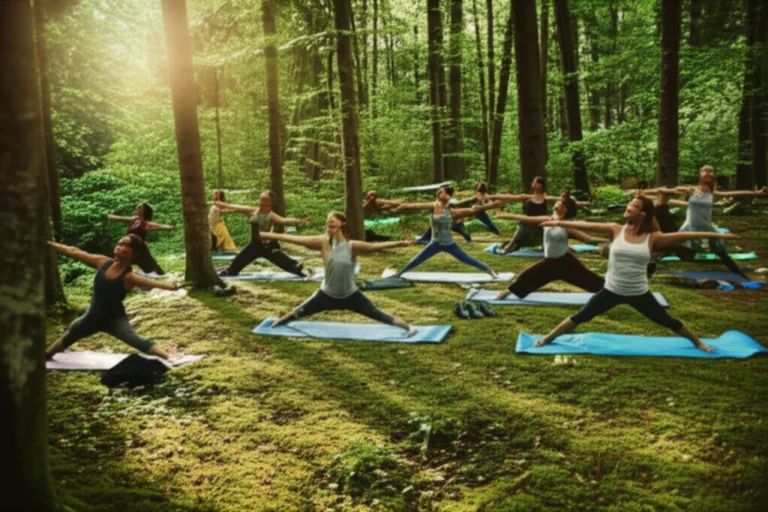
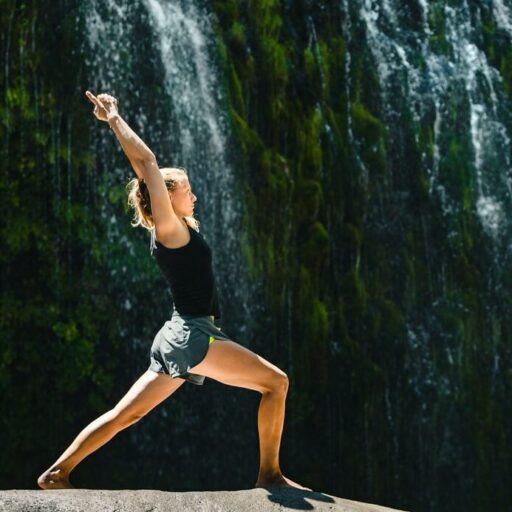
Fitness & Nature™ Philosophy: We are huge proponents of integrating practices like yoga and Pilates. They are the unsung heroes of injury prevention outdoor and contribute significantly to overall wellness and fitness. Plus, practicing them outdoors amplifies their benefits – imagine a sunrise yoga session with the sounds of nature as your soundtrack! This aligns perfectly with our focus on Forest Bathing Benefits and Natural Bodyweight Exercises.
-
Recommended Programs/Resources:
- Yoga with Adriene (YouTube): Free, high-quality yoga instruction for all levels. Yoga with Adriene YouTube Channel
- Alo Moves: Subscription-based platform with a vast library of yoga, Pilates, and meditation classes. Alo Moves Official Website
- Pilates Anytime: A leading online platform for Pilates classes. Pilates Anytime Official Website
-
Gear Spotlight (for practice):
- Outdoor Yoga Mat: Durable and easy to clean.
- 👉 CHECK PRICE on: Amazon for Manduka PROlite Yoga Mat | Gaiam Official Website
- Foam Roller & Massage Balls: For self-myofascial release and deeper mobility work.
- 👉 CHECK PRICE on: Amazon for TriggerPoint GRID Foam Roller | Walmart for massage balls
- Outdoor Yoga Mat: Durable and easy to clean.
🤝 Community & Connection: Group Fitness and Outdoor Sports Leagues
While individual training is vital, there’s an undeniable magic in sharing your outdoor passion with others. Group fitness and outdoor sports leagues not only provide motivation and accountability but also foster a sense of community and shared adventure.
🏞️ Local Outdoor Recreation Departments and Their Offerings
Don’t underestimate the power of your local community! Many cities and counties have robust recreation divisions that offer fantastic, often affordable, programs. As the City of Chandler Recreation Division states, they provide “educational classes, hands-on play, exciting sports and fitness opportunities for people of all ages, interests and skill levels.” Source
-
What to Look For:
- Guided Hikes & Walks: Often led by experienced naturalists or park rangers, these are great for exploring local trails and learning about the environment.
- Outdoor Skills Workshops: Think navigation, wilderness first aid, Leave No Trace principles, or even basic climbing techniques.
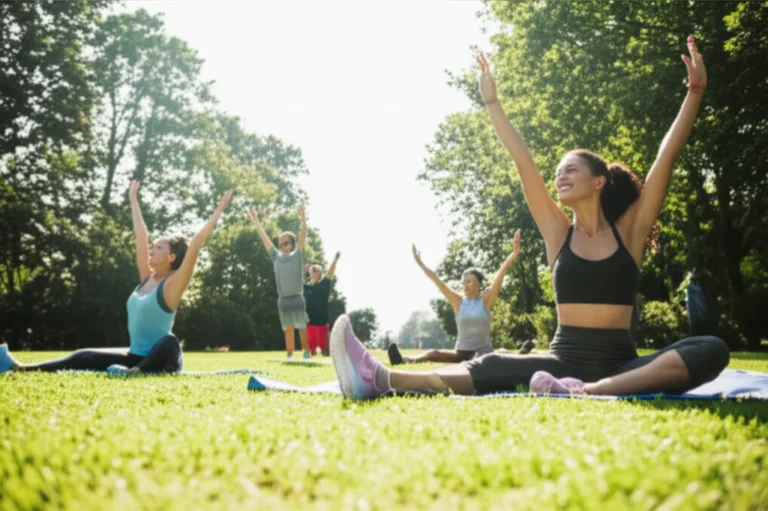
- Fitness Classes in Parks: Yoga in the park, boot camps, or tai chi sessions that leverage the natural environment.
- Youth & Adaptive Programs: Many departments are committed to inclusivity, offering programs for children, teens, and individuals with disabilities.
- Gear Rental: Some recreation centers, like the University of Montana’s Outdoor Recreation Program, offer gear rentals for activities like backpacking and climbing, making adventure more accessible. Source
-
How to Find Them:
- Check your city or county’s official website for their “Parks and Recreation” or “Community Services” department.
- Look for local community centers, YMCA/YWCA branches, or Boys & Girls Clubs.
- Search online for “[Your City] outdoor recreation” or “[Your County] fitness programs.”
🏆 Adult Outdoor Sports Leagues: From Ultimate Frisbee to Trail Running Clubs
For those who thrive on friendly competition and regular social interaction, joining an outdoor sports league or club is an excellent way to stay fit and connected.
-
Popular Outdoor Sports Leagues:
- Ultimate Frisbee: A fantastic full-body workout combining running, jumping, and throwing.
- Soccer/Football: Many adult leagues play outdoors on grass fields.
- Softball/Baseball: Classic team sports for all skill levels.
- Volleyball: Beach volleyball or grass volleyball leagues offer a great workout.
- Trail Running Clubs: Less about competition and more about shared passion, these clubs organize group runs on local trails, often catering to different paces.
- Cycling Clubs: Road or mountain biking clubs that organize group rides, from casual spins to challenging training rides.
- Paddling Groups: Kayak, canoe, or SUP groups that explore local waterways together.
-
Benefits of Joining:
- Motivation & Accountability: Knowing your team or group is counting on you is a powerful motivator.
- Skill Development: Learn new skills or refine existing ones from experienced players/members.
- Social Connection: Meet like-minded individuals and build lasting friendships.
- Structured Workouts: Many leagues and clubs provide a built-in, fun way to get your cardio and strength training in.
- Access to Resources: Clubs often have shared gear, knowledge, and access to events.
-
Where to Find Leagues/Clubs:
- Meetup.com: Search for local sports, hiking, cycling, or running groups.
- Local Sports Centers: Many private or public sports complexes organize leagues.
- Running/Bike Shops: Often have bulletin boards or staff who can direct you to local clubs.
- Online Forums & Social Media: Facebook groups dedicated to local outdoor activities are a great resource.
Joining a community-focused outdoor program or league can transform your fitness journey from a solitary pursuit into a shared adventure, making it more enjoyable and sustainable in the long run.
🌱 Nurturing the Next Generation: Youth and Teen Outdoor Adventure Programs
Instilling a love for the outdoors and physical activity early on is one of the greatest gifts we can give. Youth and teen outdoor adventure programs are vital for developing physical literacy, environmental stewardship, and crucial life skills.
🏕️ Adventure Camps and Wilderness Skills Training for Kids
These programs go beyond just playing outside; they offer structured learning experiences that build confidence, resilience, and practical outdoor skills.
-
What They Offer:
- Hiking & Backpacking: Learning trail etiquette, navigation, and how to pack a backpack.
- Rock Climbing & Bouldering: Introduction to safety, knots, and climbing techniques.
- Paddling Sports: Kayaking, canoeing, or SUP instruction, emphasizing water safety.
- Survival Skills: Fire starting, shelter building, knot tying, and basic first aid.
- Environmental Education: Learning about local flora and fauna, conservation, and Leave No Trace principles. This ties directly into our Green Living Fitness Tips!
- Team Building: Group challenges and cooperative activities that foster leadership and communication.
-
Benefits for Kids:
- Physical Development: Improves strength, endurance, balance, and coordination.
- Mental Resilience: Overcoming challenges builds grit, problem-solving skills, and self-esteem.
- Connection to Nature: Fosters an appreciation for the natural world and a desire to protect it.
- Social Skills: Learning to work with peers and instructors in a unique setting.
- Reduced Screen Time: A much-needed break from digital devices!
-
Reputable Organizations:
- Outward Bound: A global leader in experiential education, offering challenging wilderness expeditions for teens and young adults. Outward Bound Official Website
- National Outdoor Leadership School (NOLS): Provides wilderness education courses, focusing on leadership, outdoor skills, and environmental ethics. NOLS Official Website
- Local YMCA/YWCA & Parks & Recreation Departments: Often run day camps or overnight camps with outdoor adventure components.
📚 Enrichment Classes: Connecting Nature, Fitness, and Learning
Beyond intensive camps, many organizations offer shorter enrichment classes that blend outdoor activity with educational content. These can be a great entry point for kids and teens.
-
Examples of Classes:
- Nature Photography Hikes: Combining physical activity with artistic expression and observation skills.
- Junior Ranger Programs: Offered by national and state parks, these programs engage kids in conservation and outdoor exploration.
- Outdoor Art & Journaling: Encouraging creativity and reflection in natural settings.
- “Wilderness First Aid for Teens”: Practical skills that empower young adventurers.
- “Climate Aware Fitness” workshops: Teaching sustainable outdoor practices and the impact of climate on our natural playgrounds, aligning with our Climate Aware Fitness category.
-
Why They Matter:
- They provide a holistic approach, demonstrating that fitness isn’t just about physical exertion but also about learning, creativity, and connection.
- They can spark a lifelong passion for outdoor pursuits and environmental stewardship.
- They offer accessible ways for families to engage with nature and fitness together.
Nurturing the next generation of outdoor enthusiasts is an investment in their health, their character, and the future of our planet.
♿ Inclusive Adventures: Adaptive Recreation and Fitness for All Abilities
At Fitness and Nature™, we firmly believe that the joy and benefits of outdoor adventure should be accessible to everyone, regardless of physical or cognitive ability. Adaptive recreation programs are breaking down barriers, proving that the wilderness welcomes all.
-
What is Adaptive Recreation? Adaptive recreation involves modifying activities, equipment, or environments to enable individuals with disabilities to participate in sports and outdoor pursuits. This isn’t about “lesser” experiences; it’s about creating equitable opportunities for adventure.
-
Common Adaptive Outdoor Activities:
- Adaptive Skiing/Snowboarding: Using sit-skis, outriggers, or specialized instruction.
- Adaptive Kayaking/Canoeing: Stabilized boats, specialized seating, or modified paddles.
- Adaptive Hiking: All-terrain wheelchairs, guided hikes, or accessible trails.
- Adaptive Climbing: Specialized harnesses, assisted belaying, or visual/verbal cues.
- Handcycling & Adaptive Mountain Biking: Bikes designed for hand propulsion or with enhanced stability.
- Adaptive Surfing: Specialized boards and assistance in the water.
🌟 Organizations Leading the Way in Adaptive Outdoor Sports
The growth of adaptive recreation is largely due to dedicated organizations and passionate individuals who champion inclusivity.
-
Challenged Athletes Foundation (CAF): Provides grants for adaptive sports equipment, training, and competition expenses. They empower individuals with physical challenges to pursue active lifestyles. Challenged Athletes Foundation Official Website
-
Disabled Sports USA (now part of Move United): Offers adaptive sports and recreation opportunities across the country, with a network of local chapters. Move United Official Website
-
Adaptive Adventures: Focuses on providing outdoor sports opportunities, including climbing, cycling, and paddling, for children and adults with physical disabilities. Adaptive Adventures Official Website
-
Local Parks & Recreation Departments: Many municipal recreation divisions, like Chandler’s, are increasingly offering adaptive programs, reflecting their commitment to inclusivity for “people of all ages, interests and skill levels.” Source
-
Personal Story: “I met a veteran who lost a leg in service, but thanks to an adaptive cycling program, he was back on the trails, handcycling through national parks. His determination was incredible, and the joy he found in the outdoors was palpable. It truly showed me that adventure knows no bounds when we create the right opportunities.” – Maria, Fitness & Nature™ Designer & Advocate
-
The Importance of Inclusive Design: As designers at Fitness and Nature™, we’re constantly thinking about how to make outdoor spaces and activities more welcoming. This includes advocating for accessible trails, designing user-friendly adaptive gear, and promoting inclusive program development. It’s about ensuring that the restorative power of nature and the exhilaration of fitness are truly for everyone.
Adaptive recreation is not just about physical activity; it’s about empowerment, community, and the fundamental human right to experience the freedom and joy of the great outdoors.
🛠️ Building Your Own Outdoor Fitness Blueprint: Key Components of a Successful Program
Feeling inspired but wondering how to piece it all together? Whether you join a structured program or design your own, a successful outdoor fitness blueprint incorporates several crucial elements. Think of it as your personal adventure prep kit!
💪 Strength Training for Functional Outdoor Performance
Forget the mirror muscles! For outdoor enthusiasts, functional strength is king. This means training movements, not just muscles, to mimic the demands of your chosen activity.
- Why it Matters: Lifting a heavy pack, scrambling over rocks, or paddling against a current all require coordinated strength from multiple muscle groups.
- Key Exercises:
- Compound Lifts: Squats (back, front, goblet), Deadlifts (conventional, sumo, Romanian), Overhead Presses. These build foundational strength.
- Lunges & Step-Ups: Essential for unilateral leg strength, balance, and navigating uneven terrain. Try reverse lunges, lateral lunges, and weighted step-ups onto a box.
- Pulling Movements: Pull-ups, rows (dumbbell, barbell, cable), and face pulls. Crucial for climbing, paddling, and maintaining good posture with a pack.
- Pushing Movements: Push-ups, dips, and overhead presses. Important for balance, injury prevention (antagonist training), and pushing off obstacles.
- Carries: Farmer’s carries (heavy dumbbells/kettlebells in each hand), suitcase carries (one side), and sandbag carries. Builds grip strength, core stability, and full-body endurance under load.
- Frequency: Aim for 2-3 strength training sessions per week.
- Integration: Consider incorporating Natural Bodyweight Exercises into your routine, as they are highly functional and can be done anywhere, even outdoors!
❤️ Endurance and Cardiovascular Conditioning for the Long Haul
The ability to sustain effort over time is non-negotiable for most outdoor adventures. This is your engine!
- Why it Matters: Long hikes, extended paddling trips, or multi-day climbs require a robust cardiovascular system to deliver oxygen to working muscles and clear metabolic waste.
- Key Training Methods:
- Long, Slow Distance (LSD): The foundation of endurance. Think long hikes, runs, or bike rides at a conversational pace. Gradually increase duration.
- Interval Training (HIIT): Short bursts of high-intensity effort followed by recovery. Improves VO2 max and anaerobic capacity. Great for tackling steep climbs or bursts of speed.
- Tempo Work: Sustained efforts at a moderately hard pace (e.g., 20-40 minutes) to improve lactate threshold.
- Sport-Specific Endurance: The best way to build endurance for hiking is to hike! For cycling, cycle! This is where you apply your general fitness to the specific demands of your activity.
- Frequency: 2-4 cardio sessions per week, varying intensity and duration.
🤸 ♀️ Flexibility, Mobility, and Balance: Your Secret Weapons
Often overlooked, these components are critical for injury prevention, efficient movement, and navigating challenging terrain.
- Why they Matter: Good mobility allows for a full range of motion, preventing stiffness and reducing strain on joints. Balance keeps you upright on uneven ground.
- Key Practices:
- Dynamic Warm-ups: Before any activity, prepare your body with movements like leg swings, arm circles, torso twists, and walking lunges.
- Static Stretching: After workouts, hold stretches for major muscle groups (hamstrings, quads, hip flexors, chest, shoulders) for 20-30 seconds.
- Foam Rolling & Self-Massage: Release tight muscles and improve tissue quality.
- Yoga & Pilates: Excellent for improving overall flexibility, core strength, and body awareness. (See section 7 for more!)
- Balance Drills: Single-leg stands (eyes open, then closed), tandem stance, Bosu ball exercises, or simply walking on uneven surfaces.
- Frequency: Incorporate daily mobility work, dynamic warm-ups before activity, and static stretching/foam rolling after.
🧠 Mental Fortitude and Resilience: The Unsung Hero of Outdoor Pursuits
Physical fitness gets you to the starting line, but mental toughness gets you to the finish. The outdoors will test your resolve!
- Why it Matters: Pushing through fatigue, dealing with unexpected challenges (weather, navigation errors), and maintaining a positive attitude are crucial for safety and enjoyment.
- How to Train It:
- Embrace Discomfort: Gradually expose yourself to challenging conditions during training (e.g., training in light rain, pushing through a tough workout).
- Visualization: Mentally rehearse challenging scenarios and how you’ll overcome them.
- Problem-Solving: Practice navigation, gear repair, and decision-making in controlled environments.
- Mindfulness & Breathwork: Techniques learned from yoga or meditation can help you stay calm and focused under pressure. This is where Forest Bathing Benefits truly shine, helping to cultivate a calm and resilient mind.
- Set Small Goals: Break down big challenges into manageable steps. Celebrate small victories.
Building your outdoor fitness blueprint is an ongoing journey. It requires consistency, adaptation, and a willingness to learn. But the rewards – the breathtaking views, the sense of accomplishment, and the profound connection with nature – are immeasurable.
🍎 Fueling Your Adventures: Nutrition and Hydration Strategies
You wouldn’t take a car on a cross-country trip without filling its tank, would you? Your body is no different! Proper nutrition and hydration are the unsung heroes of outdoor performance, directly impacting your energy levels, recovery, and overall safety.
- The Energy Equation: Outdoor activities often burn significantly more calories than typical daily life. A long hike, a day of climbing, or an intense paddle session can deplete your glycogen stores and lead to fatigue if not properly fueled.
🍽️ Pre-Adventure Fuel: The Foundation
- Complex Carbohydrates: Your primary energy source. Think oatmeal, whole-grain bread, pasta, rice, or sweet potatoes. Consume 2-4 hours before your activity.
- Example: A bowl of oatmeal with berries and a handful of nuts.
- Lean Protein: Supports muscle repair and satiety. Eggs, yogurt, lean meats, or tofu.
- Healthy Fats: Provide sustained energy for longer efforts. Avocado, nuts, seeds.
- Avoid: Heavy, greasy, or overly fibrous foods right before an intense activity, as they can cause digestive upset.
🏃 ♀️ During-Adventure Fuel: Sustaining Performance
-
Quick Carbs: Replenish glycogen stores. Aim for 30-60 grams of carbohydrates per hour for activities lasting over an hour.
- Examples: Energy gels (e.g., GU Energy Gel), energy chews (e.g., Clif Bloks), dried fruit, pretzels, or small sandwiches.
-
Electrolytes: Crucial for maintaining fluid balance and muscle function, especially in hot weather or during prolonged sweating.
- Examples: Electrolyte drinks (e.g., Nuun Sport tablets), salty snacks, or specialized electrolyte chews.
-
Listen to Your Body: Don’t wait until you’re ravenous or bonking. Graze consistently.
-
Product Spotlight: Energy Gels & Chews These are staples for many endurance athletes due to their portability and quick energy delivery.
| Feature | Energy Gels (e.g., GU Energy Gel) | Energy Chews (e.g., Clif Bloks) |
|---|---|---|
| Design | Small, squeezable packets | Gummy-like blocks, often in sleeves |
| Functionality | Rapid absorption, quick energy boost | Chewy, slower release, can feel more like “food” |
| Taste | Wide variety, can be intense | Often fruit-flavored, less intense than gels |
| Ease of Use | Easy to consume on the move, requires water to wash down | Easy to chew, can be consumed incrementally |
| Pros | Very fast-acting, compact | Good for steady energy, satisfying to chew, less mess |
| Cons | Can be sticky, some find texture off-putting, requires water | Can be harder to chew when cold, slower absorption than gels |
| Recommendation | Best for immediate energy needs during high-intensity efforts. | Great for consistent fueling during moderate-intensity, longer efforts. |
- 👉 Shop Energy Gels & Chews on:
- GU Energy Gel: Amazon | Walmart | GU Energy Labs Official Website
- Clif Bloks Energy Chews: Amazon | Walmart | Clif Bar Official Website
- Nuun Sport Electrolyte Tablets: Amazon | Walmart | Nuun Official Website
recuperation-and-muscle-repair”>💪 Post-Adventure Fuel: Recovery and Muscle Repair
- Protein & Carbs (3:1 or 4:1 ratio): Within 30-60 minutes post-activity, consume a mix of protein and carbohydrates to kickstart muscle repair and replenish glycogen.
- Example: Chocolate milk, a protein shake (e.g., Optimum Nutrition Gold Standard Whey), or a turkey sandwich.
- Hydration: Continue to rehydrate with water and electrolytes.
- Anti-inflammatory Foods: Berries, leafy greens, fatty fish (salmon) can aid in reducing inflammation.
💧 Hydration: The Lifeline of Outdoor Performance
Dehydration is a performance killer and a safety risk. Even mild dehydration can impair cognitive function, reduce endurance, and increase the risk of heat-related illness.
-
Before: Start hydrated! Drink plenty of water in the days leading up to your adventure.
-
During: Sip consistently. Don’t wait until you’re thirsty. A good rule of thumb is 0.5-1 liter per hour, depending on intensity, temperature, and individual sweat rate.
-
After: Replenish lost fluids and electrolytes.
-
Water Filters/Purifiers: For longer trips, consider a portable water filter (e.g., Sawyer Squeeze Filter) to ensure safe drinking water from natural sources.
-
Expert Tip: “I learned the hard way on a desert hike that ‘enough water’ is always more than you think. Now, I always carry a hydration bladder in my pack and a backup bottle. And I make sure to add electrolyte tablets to at least some of my water, especially when it’s hot.” – Liam, Fitness & Nature™ Outdoor Guide
Proper fueling and hydration aren’t just about feeling good; they’re about maximizing your potential and ensuring your safety in the great outdoors.
🎒 Essential Gear for Outdoor Fitness Training
Just like a carpenter needs the right tools, an outdoor enthusiast needs the right gear. Investing in quality equipment not only enhances your training but also ensures safety and comfort. This isn’t about buying everything, but about selecting smart, functional pieces. For more in-depth reviews, check out our Fitness Gear Reviews section!
👟 Footwear: Your Foundation
- Trail Running Shoes: For trail running, fast hiking, or general outdoor workouts. Look for good grip, cushioning, and protection.
- Brands: Salomon Speedcross, Hoka Speedgoat, Altra Lone Peak.
- 👉 CHECK PRICE on: Amazon for Salomon Speedcross | REI Co-op for Hoka Speedgoat | Altra Running Official Website
- Hiking Boots/Shoes: For backpacking, rugged trails, or when you need more ankle support and durability.
- Brands: Merrell Moab, Keen Targhee, Vasque Breeze.
- 👉 CHECK PRICE on: Amazon for Merrell Moab | REI Co-op for Keen Targhee
👕 Apparel: Layer Up, Stay Comfortable
- Moisture-Wicking Base Layers: Essential for managing sweat and regulating body temperature. Avoid cotton!
- Brands: Smartwool, Icebreaker, Under Armour.
- 👉 CHECK PRICE on: Amazon for Smartwool base layer | REI Co-op for Icebreaker base layer
- Mid-Layers: Fleece or synthetic insulation for warmth.
- Brands: Patagonia Better Sweater, Arc’teryx Delta LT.
- Outer Shell (Rain/Wind Jacket): Waterproof and breathable for protection against the elements.
- Brands: Gore-Tex products (various brands like Marmot, Outdoor Research), Columbia OutDry.
- 👉 CHECK PRICE on: Amazon for Gore-Tex jacket | Outdoor Research Official Website
🎒 Packs & Hydration: Carry Your Essentials
- Daypack: For shorter hikes or training sessions. Look for comfort, good ventilation, and hydration compatibility.
- Brands: Osprey Talon/Tempest, Deuter Speed Lite.
- 👉 CHECK PRICE on: Amazon for Osprey Talon 22 | REI Co-op for Deuter Speed Lite
- Hydration Bladder/Bottles: Essential for staying hydrated.
- Brands: CamelBak, Platypus, Nalgene.
- 👉 CHECK PRICE on: Amazon for CamelBak hydration bladder | Nalgene Official Website
🦯 Accessories: Small but Mighty
-
Trekking Poles: Reduce impact on knees, aid balance, and provide propulsion on ascents.
- Brands: Black Diamond Trail Ergo, Leki Makalu.
- 👉 CHECK PRICE on: Amazon for Black Diamond Trail Ergo trekking poles | REI Co-op for Leki trekking poles
-
Headlamp: For early morning starts, late finishes, or emergencies.
- Brands: Petzl Actik Core, Black Diamond Spot.
- 👉 CHECK PRICE on: Amazon for Petzl Actik Core headlamp | Black Diamond Equipment Official Website
-
GPS Device/Smartwatch: For navigation, tracking progress, and safety.
- Brands: Garmin Fenix/Forerunner, Apple Watch Ultra.
- 👉 CHECK PRICE on: Amazon for Garmin Fenix 7 | Apple Official Website for Apple Watch Ultra
-
Fitness & Nature™ Tip: “Don’t buy all your gear at once! Start with the essentials for your primary activity. Borrow or rent specialized items (like a heavy backpacking pack) before committing. And always, always test your gear on shorter outings before a big adventure. Blisters from new boots are no fun!” – Emily, Fitness & Nature™ Gear Specialist
Remember, good gear is an investment in your comfort, safety, and enjoyment of the outdoors.
🚨 Safety First: Mitigating Risks in Your Outdoor Fitness Journey
The allure of the outdoors is its wildness, its unpredictability. But with that freedom comes responsibility. At Fitness and Nature™, we preach safety first. Being physically prepared, as the University of Montana emphasizes, “enhances safety and enjoyment,” but it’s only one piece of the puzzle. Source
1. Plan, Prepare, and Inform
- Research Your Route: Understand the terrain, elevation changes, distance, and potential hazards. Check trail conditions.
- Weather Check: Always consult the forecast. Be prepared for sudden changes, especially in mountains or coastal areas.
- Tell Someone Your Plans: Inform a trusted person of your itinerary, expected return time, and who to contact if you don’t check in.
- Carry the 10 Essentials: Navigation (map, compass, GPS), headlamp, sun protection, first-aid kit, knife, fire starter, shelter, extra food, extra water, extra clothes. Source: REI Co-op
- Know Your Limits: Don’t bite off more than you can chew, especially when starting a new activity or after a break.
2. Navigation & Communication
- Learn Basic Navigation: Even with a GPS, understand how to read a map and use a compass. Batteries die, signals drop.
- Carry a Communication Device: A fully charged phone is a start, but consider a satellite messenger (e.g., Garmin inReach Mini) for remote areas with no cell service.
- 👉 CHECK PRICE on: Amazon for Garmin inReach Mini 2 | Garmin Official Website
- Emergency Whistle: A simple, effective way to signal for help.
3. First Aid & Emergency Preparedness
- Carry a Well-Stocked First-Aid Kit: Tailor it to your activity and trip length. Include blister treatment, pain relievers, antiseptic wipes, bandages, and any personal medications.
- Learn Wilderness First Aid (WFA) or Wilderness First Responder (WFR): For more serious adventurers, these courses teach you how to manage injuries and illnesses in remote settings. Organizations like NOLS and SOLO Wilderness Medicine offer these certifications.
- Know How to React: Understand common outdoor emergencies (hypothermia, heatstroke, sprains, animal encounters) and how to respond.
4. Environmental Awareness
-
Leave No Trace Principles: Pack it in, pack it out. Stay on trails. Respect wildlife. Minimize impact. This is a core tenet of Green Living Fitness Tips.
-
Wildlife Safety: Know how to store food, make noise on trails, and react if you encounter wildlife.
-
Water Safety: Understand currents, tides, and weather conditions for water-based activities. Always wear a PFD (Personal Flotation Device) when paddling.
-
Personal Story: “I once got caught in an unexpected whiteout while hiking in the mountains. My phone died, and I was disoriented. Luckily, I had a physical map, compass, and a headlamp. It was a terrifying experience, but it hammered home the importance of redundant navigation tools and being prepared for the worst. Never again will I rely solely on technology!” – Michael, Fitness & Nature™ Co-Founder
Safety isn’t about fear; it’s about respect for the environment and for yourself. It’s about empowering you to enjoy your adventures with confidence, knowing you’re prepared for whatever nature throws your way.
❓ How to Choose the Right Outdoor Fitness Program for YOU
With so many exciting options, how do you pick the perfect outdoor fitness program? It’s not a one-size-fits-all answer. The best program is the one that aligns with your goals, current fitness level, and lifestyle.
🎯 Assessing Your Goals, Current Fitness Level, and Time Commitment
Before you jump in, take a moment for some honest self-reflection.
-
What are your outdoor goals?
- ✅ “I want to hike a multi-day trail like the John Muir Trail.” (Requires significant endurance, strength, and backpacking-specific training.)
- ✅ “I want to comfortably complete a local 10k trail race.” (Focus on trail running endurance and stability.)
- ✅ “I want to learn to rock climb safely and efficiently.” (Needs climbing-specific strength, technique, and safety instruction.)
- ✅ “I want to improve my balance and core strength for SUP.” (Look for paddling-specific or general core/balance programs.)
- ❌ “I just want to get generally fit.” (While any outdoor activity helps, a specialized program might be overkill if you don’t have a specific outdoor pursuit in mind yet.)
-
What’s your current fitness level?
- Beginner: Start with foundational strength, basic cardio, and shorter, less intense outdoor activities. Look for “introductory” or “beginner-friendly” programs.
- Intermediate: You have a decent fitness base but want to target specific outdoor skills or increase your performance.
- Advanced: You’re already active and proficient but want to optimize for peak performance, longer expeditions, or competitive events.
-
How much time can you realistically commit?
- Daily: Short mobility routines, quick bodyweight exercises.
- Weekly: 2-5 dedicated training sessions.
- Weekends: Longer outdoor adventures.
- Be honest about your schedule. A program you can stick to consistently is always better than an ambitious one you abandon.
🔍 What to Look for in a Quality Outdoor Fitness Program
Once you’ve assessed your needs, here’s what to scrutinize when evaluating programs:
-
Specificity: Does the program directly address the physical demands of your chosen outdoor activity? (e.g., a hiking program should include hill training, not just flat running.)
-
Progressive Overload: Does it gradually increase in intensity, volume, or complexity to challenge your body and promote adaptation? A good program builds you up over time.
-
Balance: Does it include a mix of strength, endurance, mobility, and recovery? A holistic approach is key.
-
Qualified Coaches/Instructors: Are the people leading the program certified, experienced, and knowledgeable about both fitness and outdoor safety? Look for certifications from organizations like the National Strength and Conditioning Association (NSCA), American Council on Exercise (ACE), or specific outdoor guiding certifications.
-
Safety Protocols: Especially for guided trips or group activities, inquire about their safety record, emergency procedures, and instructor-to-participant ratios.
-
Community & Support: Does the program offer a supportive environment? Peer motivation can be a huge factor in success.
-
Flexibility: Can the program be adapted to your individual needs or unexpected schedule changes?
-
Reviews & Testimonials: What do other participants say? Look for genuine feedback on effectiveness and experience.
-
Conflicting Advice? You might find different programs or experts recommending slightly different approaches. For example, some might emphasize more strength, others more endurance.
- Resolution: Trust programs that prioritize functional movements and progressive overload for your specific activity. If you’re training for a long backpacking trip, a program heavy on short, explosive movements might be less effective than one focusing on sustained endurance and weighted carries. Conversely, a climbing program needs more emphasis on grip and pulling strength than a pure running program. Always consider the source and their expertise in your specific outdoor pursuit.
Choosing the right program is an exciting step towards unlocking your full potential in the great outdoors. Take your time, do your research, and pick the path that feels right for your adventure!
📈 Tracking Progress and Staying Motivated on Your Outdoor Fitness Journey
You’ve chosen your program, you’re putting in the work – now how do you know it’s actually, well, working? And how do you keep that fire lit when the couch looks so inviting? Tracking progress and employing motivation strategies are crucial for a sustainable outdoor fitness journey.
📊 How to Track Your Progress Effectively
Beyond just “feeling fitter,” concrete data and observations can provide invaluable feedback and boost your morale.
- Fitness Metrics:
- Strength: Record weights lifted, reps completed, or bodyweight exercise variations (e.g., how many pull-ups can you do?).
- Endurance: Track distance, time, pace, and elevation gain for runs, hikes, or rides.
- Mobility/Flexibility: Note improvements in range of motion (e.g., “can touch toes now!”), or how easily you can perform certain stretches.
- Body Composition: If relevant to your goals, track changes in body fat percentage or muscle mass (though focus on performance over aesthetics for outdoor fitness).
- Outdoor Performance Metrics:
- Trail Times: Re-do a familiar hike or trail run and compare your times.
- Pack Weight: Can you comfortably carry a heavier pack for longer?
- Climbing Grades: Are you sending harder routes or bouldering problems?
- Paddling Distance/Speed: Are you covering more ground or moving faster with less effort?
- Recovery Time: Do you feel less fatigued after an adventure, or recover quicker?
- Journaling: Keep a training log. Note not just the numbers, but also how you felt, weather conditions, energy levels, and any challenges or breakthroughs. This qualitative data is incredibly powerful.
- Wearable Tech: GPS watches (like Garmin Fenix or Coros Apex) and fitness trackers (like Whoop or Fitbit) can automatically track many metrics, including heart rate, distance, elevation, and sleep.
- 👉 CHECK PRICE on: Amazon for Garmin Fenix 7 | Coros Official Website | Whoop Official Website
🔥 Strategies for Staying Motivated
Even the most dedicated outdoor enthusiasts have days when motivation wanes. Here’s how to keep pushing forward:
-
Set SMART Goals: Specific, Measurable, Achievable, Relevant, Time-bound. Instead of “get fitter,” try “complete the 15-mile ‘Skyline Ridge’ hike by October.”
-
Celebrate Small Wins: Acknowledge every improvement, no matter how small. Ran an extra mile? Nailed a new climbing move? That’s progress!
-
Find a Training Partner or Group: Accountability is a powerful motivator. Knowing someone is waiting for you can get you out the door. (Revisit our section on Community & Connection!)
-
Vary Your Routine: Prevent boredom by trying new trails, different types of workouts, or incorporating cross-training.
-
Reward Yourself (Non-Food): A new piece of gear, a massage, a weekend trip to a new outdoor destination.
-
Connect with Nature: Remember why you’re doing this. Spend time outdoors even on rest days. The mental benefits of nature are a huge motivator. This is where Forest Bathing Benefits can recharge your spirit.
-
Visualize Success: Regularly imagine yourself achieving your outdoor goals, feeling strong and capable.
-
Embrace the Journey: Fitness is not a destination; it’s a continuous adventure. There will be ups and downs. Learn from setbacks and keep moving forward.
-
Fitness & Nature™ Perspective: “I used to get really discouraged if I missed a workout or didn’t hit a personal best. But I’ve learned that consistency over perfection is the real key. Some days, just getting outside for a walk is a win. The goal isn’t to be perfect; it’s to keep showing up for yourself and for the adventures that await.” – Sophia, Fitness & Nature™ Wellness Coach
By diligently tracking your progress and consciously employing motivation strategies, you’ll not only achieve your outdoor fitness goals but also cultivate a lifelong love for active living in nature.
🚀 Conclusion: Embrace the Great Outdoors, Fitter Than Ever!

Wow, what a journey we’ve been on together! From quick tips and fascinating history to detailed breakdowns of specialized fitness programs, gear essentials, and safety wisdom, you now hold the ultimate roadmap to becoming a truly fit and confident outdoor enthusiast. At Fitness and Nature™, we’ve shared our passion and expertise to help you bridge the gap between general fitness and the specific demands of nature’s playground.
Remember Sarah’s tale of backpacking struggles turned triumph? Or Mark’s snowboarding transformation? These stories aren’t just anecdotes—they’re proof that specialized training tailored to your outdoor passion transforms your experience from “just surviving” to thriving. Whether you’re a trail runner, climber, paddler, or multi-sport maverick, the right program will build your strength, endurance, balance, and mental resilience, all while deepening your connection to the natural world.
We also highlighted the importance of community, inclusivity, and safety—because adventure is best enjoyed together, and preparation is your best friend out there. And let’s not forget the power of mindful movement practices like yoga and Pilates, which keep your body supple and your mind sharp.
So, what about those lingering questions? You might have wondered: How do I pick the perfect program? What gear do I really need? How do I stay motivated when the weather turns sour? Now you have the tools and insights to answer those for yourself. The key is to start where you are, choose a program that excites and challenges you, equip yourself wisely, and embrace the journey with patience and joy.
Our confident recommendation: Dive into a specialized outdoor fitness program that matches your passion and goals. Combine it with mindful nutrition, proper gear, and a community that lifts you up. Your future self—stronger, healthier, and happier—will thank you.
Ready to lace up your trail shoes, chalk your hands, or grab your paddle? The wild awaits, fitter than ever!
🔗 Recommended Links for Your Outdoor Fitness Journey
Here’s a curated collection of the best gear, books, and resources we mentioned to help you get started or level up your outdoor fitness game:
-
Weighted Vests:
Amazon: Weighted Vests | Walmart: Weighted Vests -
Trail Running Shoes:
Amazon: Salomon Speedcross | REI Co-op: Hoka Speedgoat -
Climbing Hangboards:
Amazon: Metolius Simulator 3D | REI Co-op: Beastmaker 1000 -
Resistance Bands:
Amazon: Resistance Bands Set | Walmart: Resistance Bands -
Medicine Balls:
Amazon: Medicine Ball | Walmart: Medicine Ball -
TRX Suspension Trainer:
Amazon: TRX Suspension Trainer | TRX Official Website -
Sandbags for Functional Training:
Amazon: Brute Force Sandbag | Walmart: Sandbag Training -
Balance Boards:
Amazon: Balance Board | Walmart: Balance Board -
Foam Rollers:
Amazon: TriggerPoint GRID Foam Roller | Walmart: Foam Roller -
Energy Gels & Chews:
Amazon: GU Energy Gel | Walmart: GU Energy Gel | GU Energy Labs Official Website
Amazon: Clif Bloks Energy Chews | Walmart: Clif Bloks | Clif Bar Official Website
Amazon: Nuun Sport Electrolyte Tablets | Walmart: Nuun Sport | Nuun Official Website -
Books:
The Rock Climber’s Training Manual by Anderson Brothers
The Cyclist’s Training Bible by Joe Friel
Conditioning for Skiing & Snowboarding by Michael L. Jones
The Paddler’s Guide to Fitness by Shelley Oates-Wilding -
Water Filters:
Amazon: Sawyer Squeeze Water Filter | Walmart: Sawyer Squeeze Water Filter | Sawyer Official Website
❓ FAQ: Your Burning Questions About Outdoor Fitness Programs Answered

How can I find local outdoor fitness groups or classes to join for added motivation and support?
Finding local groups is easier than you think! Start by checking your city or county’s Parks and Recreation website—they often list outdoor fitness classes, hiking clubs, and sports leagues. Platforms like Meetup.com are goldmines for discovering hiking, trail running, cycling, and paddling groups near you. Local outdoor gear shops and community centers also frequently host or sponsor group activities. Don’t forget social media—Facebook groups dedicated to your area’s outdoor scene can connect you with like-minded adventurers.
Can outdoor fitness programs help improve mental health and reduce stress?
Absolutely! Multiple studies, including those published in Environmental Science & Technology, show that exercising in natural environments significantly boosts mood, reduces anxiety, and enhances self-esteem compared to indoor workouts. The combination of physical activity and exposure to nature—often called “green exercise”—helps regulate stress hormones and improve sleep quality. Practices like outdoor yoga or forest bathing amplify these benefits by fostering mindfulness and relaxation.
What are the benefits of outdoor fitness programs compared to traditional gym workouts?
Outdoor fitness programs offer functional training tailored to real-world terrain and conditions, which gyms often can’t replicate. You engage stabilizer muscles, improve balance on uneven surfaces, and adapt to environmental variables like wind and temperature. Plus, the mental health benefits of fresh air, sunlight, and natural scenery are unmatched. Outdoor programs often integrate skill-building relevant to your adventure goals, making your training more purposeful and enjoyable.
How do I stay motivated to work out when outdoor weather conditions are unfavorable?
Weather can be a challenge, but with a few tricks, you can keep moving:
- Layer up: Invest in quality moisture-wicking and waterproof gear to stay comfortable.
- Have a backup plan: Indoor alternatives like bodyweight workouts, yoga, or treadmill sessions can keep your momentum.
- Set realistic goals: Adjust your workout intensity or duration based on conditions.
- Join a community: Training partners or groups provide accountability and encouragement.
- Embrace the challenge: Sometimes braving the elements builds resilience and makes the sunshine days even sweeter!
What are some effective strength training exercises that can be done outdoors?
Outdoor strength training can be simple yet highly effective. Try:
- Bodyweight exercises: Push-ups, pull-ups (use a sturdy tree branch or park pull-up bar), lunges, squats, step-ups on benches or rocks.
- Functional carries: Farmer’s carries with dumbbells or sandbags.
- Resistance bands: Portable and versatile for rows, presses, and mobility work.
- Plyometrics: Box jumps, broad jumps, and lateral bounds on natural surfaces.
- Core work: Planks, side planks, and mountain climbers.
These exercises build the functional strength needed for outdoor adventures without requiring a gym.
How can I create a fitness plan that incorporates hiking and trail running?
Start by assessing your current fitness and goals. Incorporate:
- Endurance training: Long, slow hikes and runs on trails to build aerobic capacity.
- Hill repeats: To improve climbing strength and cardiovascular fitness.
- Strength training: Focus on legs, core, and balance exercises.
- Mobility work: Dynamic warm-ups and stretching to prevent injury.
- Progressive overload: Gradually increase distance, elevation, or intensity.
Aim for 3-5 sessions per week, mixing hiking, running, and strength work, with rest days for recovery.
What are the best fitness programs for outdoor enthusiasts?
The best program depends on your activity and goals, but some top recommendations include:
- Mountain Tactical Institute (MTI): For mountain and backpacking training.
- TrainingBeta: For climbers seeking structured plans.
- PaddleFit: For paddling sports.
- Spartan Race Training: For obstacle course racing.
- Yoga with Adriene: For mindful movement and flexibility.
Look for programs that emphasize functional strength, endurance, mobility, and safety.
How can outdoor fitness programs improve mental health?
Outdoor fitness programs combine physical activity with nature exposure, which together reduce cortisol (stress hormone) levels, improve mood, and enhance cognitive function. The rhythmic movement of exercise paired with natural stimuli promotes mindfulness and relaxation. Group programs also foster social connection, combating loneliness and boosting emotional well-being.
What types of exercises are included in outdoor fitness programs?
Exercises vary by program but commonly include:
- Cardiovascular training: Trail running, hiking, cycling, paddling.
- Strength training: Bodyweight exercises, weighted carries, resistance bands, plyometrics.
- Balance and mobility: Yoga, Pilates, balance drills, dynamic stretching.
- Skill-specific drills: Climbing techniques, pack carries, rope climbs.
- Mental resilience practices: Breathwork, visualization, and mindfulness.
Are there fitness programs designed specifically for hikers and campers?
Yes! Programs like those from MTI and REI Co-op workshops focus on hiking-specific endurance, strength, and pack-carrying techniques. They often include navigation skills, injury prevention, and gear advice tailored for backpacking and camping. Local outdoor recreation departments frequently offer beginner to advanced hiking clinics and guided trips.
How do outdoor fitness programs enhance endurance and strength?
By mimicking the real demands of outdoor activities, these programs develop the specific muscle groups, cardiovascular capacity, and neuromuscular coordination needed. Progressive overload and varied terrain training improve stamina and power, while functional strength exercises prepare you for carrying loads, climbing, or paddling efficiently.
What gear is recommended for outdoor fitness workouts?
Essentials include:
- Footwear: Trail running shoes or hiking boots suited to your activity.
- Apparel: Moisture-wicking layers, waterproof shells, and sun protection.
- Hydration: Bladders or bottles with electrolyte options.
- Training tools: Weighted vests, resistance bands, hangboards, balance boards, foam rollers.
- Safety gear: Headlamps, navigation devices, first-aid kits.
Invest in quality gear that fits well and suits your environment.
Can outdoor fitness programs help with weight loss and overall wellness?
Definitely! Outdoor fitness programs combine cardiovascular exercise, strength training, and mental well-being practices, all of which contribute to calorie burn, muscle development, stress reduction, and improved sleep. The engaging, varied nature of outdoor workouts often leads to better adherence and enjoyment, key factors for sustainable weight management and holistic wellness.
📚 Reference Links
- City of Chandler Recreation Division Programs
- Utah Valley University Exercise Science & Outdoor Recreation
- University of Montana Outdoor Recreation Program
- Mountain Tactical Institute
- Trail Runner Magazine
- REI Co-op
- TrainingBeta
- Crimpd Climbing App
- PaddleFit
- American Canoe Association
- Spartan Race Training
- StrongFirst
- Challenged Athletes Foundation
- Move United (formerly Disabled Sports USA)
- Adaptive Adventures
- Outward Bound
- National Outdoor Leadership School (NOLS)
- REI Ten Essentials
- Sawyer Products
- GU Energy Labs
- Clif Bar
- Nuun
- TRX Training
- Garmin
- Whoop
- Yoga with Adriene YouTube Channel
- Alo Moves
- Pilates Anytime
We hope this comprehensive guide empowers you to embrace the great outdoors fitter, stronger, and more connected than ever. Adventure awaits—let’s go!