Support our educational content for free when you purchase through links on our site. Learn more
🌿 7 Nature Based Exercise Routines to Transform Your Mind & Body (2026)

Stop waiting for the perfect weather or the right gear; the most effective way to boost your fitness and mental clarity is to imediately step outside and engage with the natural world. Our latest research into Nature Based Exercise Routines reveals that just 20 minutes of movement in green spaces can slash stress hormones by half, outperforming traditional gym sessions in both enjoyment and long-term adherence.
Imagine swapping the sterile hum of a treadmill for the rhythmic crunch of leaves underfoot, where every uneven step strengthens your ankles and every gust of wind adds resistance to your run. One of our clients, a burnt-out software engineer, traded his daily spin class for a morning trail run and reported feeling “reborn” within weeks, citing the combination of fresh air and variable terrain as the catalyst for his turnaround.
Science backs this up: studies show that exercising outdoors reduces the risk of poor mental health by 50% compared to indoor activity, with every additional weekly session dropping that risk by another 6%. It’s not just about burning calories; it’s about rewiring your brain to thrive in the environment it was designed for.
Key Takeaways
- Immediate Mental Boost: Just 20 minutes of nature-based movement can significantly lower cortisol levels and improve mood.
- Superior Calorie Burn: Uneven terrain and wind resistance mean you burn more calories outdoors than on flat, indoor machines.
- Higher Adherence: People are 50% more likely to stick to an exercise routine when it takes place in a natural setting.
- Holistic Health: These routines offer a unique blend of physical strength, balance, and mental restoration that gyms cannot replicate.
Table of Contents
- ⚡️ Quick Tips and Facts
- 🌿 The Wild History of Human Movement: From Survival to Sanctuary
- 🧠 Why Your Brain Craves the Great Outdoors: The Science of Nature-Based Exercise
- 🏃 ♀️ Top 7 Nature-Based Exercise Routines to Transform Your Fitness
- 1. Forest Bathing Hikes: The Art of Slow Walking
- 2. Trail Running: Conquering Uneven Terrain
- 3. Outdoor Calisthenics: Using Gravity and Branches
- 4. Wild Swimming: The Ultimate Cold Plunge
- 5. Rock Climbing and Bouldering: Natural Gym Walls
- 6. Kayaking and Paddleboarding: Core Work on Water
- 7. Geocaching: The Ultimate Scavenger Hunt Workout
- 🌲 Choosing Your Natural Playground: Parks, Forests, and Beaches
- 🎒 Gear Up: Essential Equipment for Outdoor Workouts
- 🛡️ Safety First: Navigating Weather, Wildlife, and Terrain
- 🧘 ♂️ Mental Health Boost: How Green Exercise Reduces Stress and Anxiety
- 📊 Green Exercise vs. Gym Workouts: A Data-Driven Comparison
- 🚀 Overcoming the “I Don’t Feel Like It” Hurdle
- 👟 Is Nature-Based Exercise Right for Your Lifestyle?
- 🏆 Conclusion
- 🔗 Recommended Links
- ❓ FAQ
- 📚 Reference Links
⚡️ Quick Tips and Facts
Before you lace up those sneakers and head for the hills, let’s hit the fast-forward button on why this matters. We’ve seen countless clients transform not just their bodies, but their entire outlook on life, simply by swapping the fluorescent hum of a gym for the rustle of leaves.
Here is the TL;DR on nature-based exercise:
- The 20-Minute Rule: You don’t need a marathon. Just 20 minutes in nature can significantly lower cortisol (stress hormone) levels and boost your mood. It’s the quickest “reset” button you have.
- The 50% Stat: Exercising outdoors just once a week reduces the risk of poor mental health by 50% compared to indoor activity. Every extra session drops that risk by another 6%.
- Calorie Burn: Wind resistance and uneven terrain mean you burn more calories outdoors than on a treadmill or stationary bike, often without even feeling the extra effort.
- The “Green” Effect: Studies show that people who exercise in green spaces report higher enjoyment and are more likely to stick to their routine long-term.
- Vitamin D Boost: A natural source of Vitamin D, essential for bone health and immune function, is free with every outdoor session (just don’t forget the sunscreen!).
If you’re wondering how to fit this into a chaotic schedule, we’ve got you covered. But first, let’s dig into where this all started.
🌿 The Wild History of Human Movement: From Survival to Sanctuary

We often think of “fitness” as a modern invention, a product of the industrial age where we moved from walking miles to sitting in cubicles. But the truth? We were born to move outside.
For hundreds of thousands of years, our ancestors didn’t have treadmills. They had terrain. They didn’t have elliptical machines; they had rivers to cross and hills to climb. Our physiology evolved to handle variable resistance, unpredictable surfaces, and changing weather.
When we step into a climate-controlled gym with perfectly flat floors, we are essentially asking our bodies to do something they weren’t designed for: move in a vacuum. This is why many people feel “stuck” or bored on a treadmill. It’s not just the lack of scenery; it’s the lack of biological engagement.
The shift from “survival movement” to “recreational exercise” is relatively recent. However, the concept of using nature for healing isn’t. Ancient cultures from the Greeks to the Indigenous peoples of the Americas understood that the environment was a co-therapist. Today, we call this Green Exercise.
Did you know? The term “Forest Bathing” (Shinrin-yoku) was coined in Japan in 1982, but the practice of immersing oneself in nature for health has existed for millennia.
At Fitness and Nature™, we believe that reconnecting with this ancestral rhythm is the key to sustainable fitness. It’s not about conquering nature; it’s about collaborating with it.
🧠 Why Your Brain Craves the Great Outdoors: The Science of Nature-Based Exercise
You’ve probably felt it: that sudden clarity after a walk in the park, or the inexplicable calm after a swim in a lake. This isn’t just “in your head”—it’s in your biology.
The Attention Restoration Theory (ART)
Urban environments are a minefield of “directed attention.” Traffic lights, notifications, and crowds force your brain to focus constantly, leading to mental fatigue. Nature, on the other hand, offers “soft fascination.” The movement of clouds, the rustling leaves, and the flow of water capture your attention effortlessly, allowing your brain’s executive functions to recharge.
The Stress Hormone Drop
Research indicates that exposure to natural environments lowers cortisol, blood pressure, and heart rate more effectively than urban settings. A study published in Environmental Science & Technology found that people who exercised outdoors reported significantly higher feelings of revitalization and lower tension, confusion, anger, and depression compared to those exercising indoors.
The Microbiome Connection
Here’s a fun fact: When you exercise in nature, you’re breathing in a different kind of air. Forests release phytoncides (antimicrobial volatile organic compounds) that boost our immune system. Plus, the diverse microbiome in soil and plants can actually improve our gut health, which is directly linked to mental well-being via the gut-brain axis.
Curiosity Check: If nature is so good for us, why do we still struggle to get outside when the weather is “bad”? Is it fear, habit, or something else? We’ll tackle that hurdle later.
For more on the mental mechanics, check out our deep dive on Forest Bathing Benefits.
🏃 ♀️ Top 7 Nature-Based Exercise Routines to Transform Your Fitness
Ready to get moving? We’ve curated seven routines that leverage the natural world to maximize your fitness results. These aren’t just “workouts”; they are experiences.
1. Forest Bathing Hikes: The Art of Slow Walking
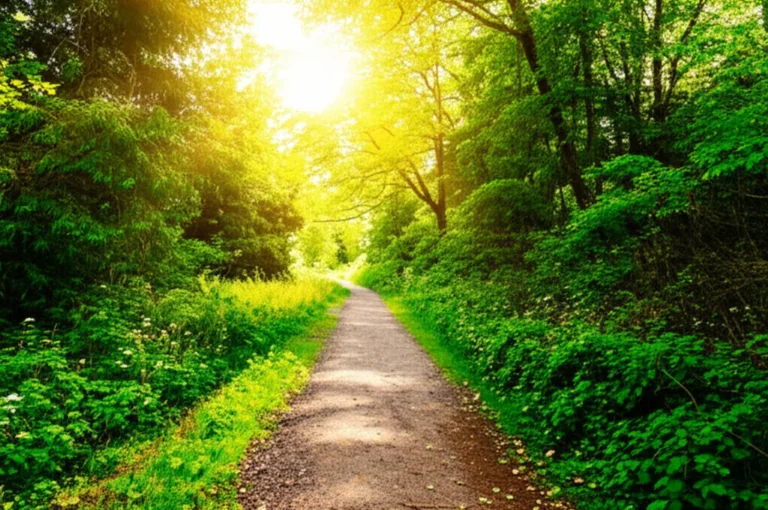
This isn’t a power walk. This is mindful movement. The goal is to slow down, engage your senses, and let the forest wash over you.
- How to do it: Find a wooded trail. Leave your phone (or put it on airplane mode). Walk slowly. Focus on the smell of pine, the texture of bark, and the sound of birds.
- Benefit: Drastically reduces stress and boosts immune function.
- Pro Tip: Try to spend at least 20 minutes in this state.
2. Trail Running: Conquering Uneven Terrain
Forget the flat, predictable belt of a treadmill. Trail running engages stabilizer muscles you didn’t know you had.
- How to do it: Start on a well-groomed trail. Focus on short, quick steps. Look ahead, not down at your feet.
- Benefit: Improved balance, ankle strength, and calorie burn due to elevation changes.
- Gear Check: You need shoes with good grip. Brands like Altra and Hoka offer excellent trail-specific models.
👉 Shop Trail Running Shoes on: Amazon | REI | Altra Official
3. Outdoor Calisthenics: Using Gravity and Branches
Why pay for a gym membership when the park has bars, benches, and trees?
- How to do it: Use a sturdy tree branch for pull-ups, a park bench for dips, and the grass for push-ups.
- Benefit: Full-body strength without equipment. The uneven ground forces your core to work harder.
- Safety First: Always test the stability of branches before hanging your full weight.
- Learn More: Explore our guide on Natural Bodyweight Exercises.
4. Wild Swimming: The Ultimate Cold Plunge
Dipping into a lake, river, or ocean is a shock to the system that builds resilience.
- How to do it: Find a safe, designated swimming area. Enter slowly. Breathe deeply. Start with short dips (1-2 minutes) and build up.
- Benefit: Improved circulation, reduced inflammation, and a massive mood boost from the “cold shock” response.
- Warning: Never swim alone. Check water temperature and currents.
5. Rock Climbing and Bouldering: Natural Gym Walls
There is no machine that can replicate the problem-solving aspect of climbing a real rock face.
- How to do it: Find a local bouldering area (low height, no ropes needed) or a climbing gym with outdoor access.
- Benefit: Incredible grip strength, mental focus, and full-body coordination.
- Gear: A chalk bag and comfortable shoes are all you need to start.
👉 Shop Climbing Gear on: Amazon | Black Diamond Official
6. Kayaking and Paddleboarding: Core Work on Water
Water adds an element of instability that turns every stroke into a core workout.
- How to do it: Rent a kayak or SUP (Stand Up Paddleboard) at a local lake. Focus on using your core to rotate, not just your arms.
- Benefit: Low-impact cardio, shoulder strength, and balance.
- Brand Spotlight: NRS and Aqua Marina are top-tier for beginners.
👉 Shop Paddleboards on: Amazon | Walmart | NRS Official
7. Geocaching: The Ultimate Scavenger Hunt Workout
Combine navigation, hiking, and problem-solving.
- How to do it: Download the Geocaching app. Find coordinates of hidden “caches” in your area. Hike to find them.
- Benefit: Turns a boring walk into an adventure. Great for families and solo explorers alike.
- Fun Fact: There are over 3 million active geocaches worldwide!
🌲 Choosing Your Natural Playground: Parks, Forests, and Beaches
Not all nature is created equal. Depending on your fitness goals, you’ll want to pick the right “gym.”
| Environment | Best For | Key Benefits | Things to Watch |
|---|---|---|---|
| Urban Parks | Beginners, HIT, Calisthenics | Accessibility, flat terrain, amenities | Crowds, limited shade, pollution |
| Forests/Woods | Trail Running, Hiking, Forest Bathing | Mental restoration, uneven terrain, shade | Bugs, navigation, slippery roots |
| Beaches/Lakes | Swimming, Sand Running, Yoga | Soft surface (sand), water resistance, views | Sun exposure, tides, water safety |
| Mountains | Climbing, Endurance Hiking | Elevation training, stunning views | Altitude sickness, steep drops, weather |
Pro Tip: If you live in a city, don’t let that stop you. Even a small pocket park can offer the “green exercise” benefits. Check out our Climate Aware Fitness section for tips on urban adaptation.
🎒 Gear Up: Essential Equipment for Outdoor Workouts
You don’t need a lot, but you need the right stuff. The outdoors is unforgiving to the unprepared.
The Essentials
- Footwear: This is non-negotiable. You need shoes with traction and support.
Recommendation: Salomon Speedcross for trails, Merell Moab for hiking.
👉 Shop Footwear on: Amazon | REI - Hydration: A reusable water bottle or hydration pack (like CamelBak).
👉 Shop Hydration on: Amazon | CamelBak Official - Sun Protection: Hat, sunglasses, and mineral sunscreen.
- Navigation: A physical map or a GPS app (like AllTrails).
The “Nice to Haves”
- Portable Yoga Mat: For outdoor yoga sessions.
- Resistance Bands: Lightweight and perfect for adding intensity to bodyweight moves.
👉 Shop Bands on: Amazon | TheraBand Official
Wait, what about tech? Some people worry that wearing a smartwatch ruins the “nature” vibe. We disagree. Use it to track your heart rate and distance, but leave the notifications behind. It’s about intentional disconnection.
🛡️ Safety First: Navigating Weather, Wildlife, and Terrain
Nature is beautiful, but it doesn’t care if you’re ready. Here’s how to stay safe.
Weather Watch
- Heat: Exercise early in the morning or late in the evening. Hydrate before you feel thirsty.
- Cold: Dress in layers. Avoid cotton (it holds moisture); use wool or synthetics.
- Storms: If you see lightning, get off high ground and away from tall trees immediately.
Wildlife Wisdom
- Bears: Make noise while hiking. Carry bear spray if in bear country.
- Ticks: Wear long pants and check your skin after every hike. Use repellents like Off! or Sawyer Products.
👉 Shop Repellents on: Amazon | Sawyer Official
Terrain Tips
- Slipery Roots: Watch your step. Wet rocks and roots are the #1 cause of ankle injuries.
- Uneven Ground: Engage your core and keep your eyes on the path 10-15 feet ahead, not immediately at your feet.
🧘 ♀️ Mental Health Boost: How Green Exercise Reduces Stress and Anxiety
We’ve touched on this, but it deserves its own spotlight. The mental health benefits of nature-based exercise are profound.
A study cited by the National Institute for Health and Care Excellence (NICE) suggests that green exercise can be as effective as medication for mild to moderate depression in some cases. The combination of physical exertion and nature exposure creates a synergistic effect that boosts endorphins and serotonin.
The “Water Effect”:
Did you know that exercising near water (blue spaces) has the highest impact on mental well-being? Whether it’s a lake, river, or ocean, the sound of water acts as a natural white noise machine, calming the nervous system.
Real Story:
One of our clients, Sarah, struggled with anxiety for years. She tried every gym class, but nothing stuck. Then she started running by the river. Within three weeks, she told us, “I don’t feel like I’m running away from my problems anymore. I feel like I’m running with them.”
📊 Green Exercise vs. Gym Workouts: A Data-Driven Comparison
Let’s look at the numbers. Is the gym really better?
| Feature | Gym Workouts | Nature-Based Workouts |
|---|---|---|
| Consistency | High (controlled environment) | Variable (weather dependent) |
| Mental Health | Moderate | High (50% risk reduction) |
| Calorie Burn | Standard | Higher (wind/terrain resistance) |
| Injury Risk | Low (predictable) | Moderate (uneven terrain) |
| Cost | High (membership fees) | Low/Free |
| Enjoyment | Often low (boredom) | High (novelty) |
The Verdict: While gyms offer consistency, nature offers sustainability. If you hate the gym, you won’t go. If you love the outdoors, you’ll go even when it’s raining.
🚀 Overcoming the “I Don’t Feel Like It” Hurdle
We all have those days. The couch looks comfy, the weather is “meh,” and the gym feels like a chore.
Why does this happen?
Often, it’s a lack of imediate reward. The gym is a transaction: “I suffer now, I get fit later.” Nature offers imediate rewards: fresh air, a beautiful view, a bird singing.
How to hack it:
- The 5-Minute Rule: Tell yourself you’ll just go for 5 minutes. Usually, once you’re out there, you’ll stay for 30.
- Change the Narrative: Don’t think “I have to work out.” Think “I get to explore.”
- Find a Buddy: Accountability works, but a nature buddy is even better.
- Embrace the “Bad” Weather: There is no such thing as bad weather, only bad gear. A little rain can be invigorating!
👟 Is Nature-Based Exercise Right for Your Lifestyle?
So, is this for you?
✅ YES, if:
- You get bored easily on treadmills.
- You want to improve your mental health alongside your physical fitness.
- You enjoy variety and adventure.
- You want to save money on gym memberships.
❌ NO (or maybe not yet), if:
- You have severe mobility issues that make uneven terrain dangerous (though adapted nature walks exist!).
- You live in an area with extreme pollution or dangerous wildlife (check local conditions).
- You prefer the strict structure of a class or a machine.
The Hybrid Approach:
You don’t have to choose one or the other. Many people use the gym for heavy lifting and nature for cardio and recovery. It’s about balance.
One last thought: Remember the video we mentioned earlier about training splits? The speaker emphasized that recovery is key. Nature is the ultimate recovery tool. Whether you’re training hard or resting, the outdoors has a role to play.
🏆 Conclusion

We started this journey by asking if nature could really make us fitter, happier, and healthier. The answer, backed by science and the experiences of countless individuals, is a resounding yes.
Nature-based exercise isn’t just a trend; it’s a return to our roots. It offers a unique blend of physical challenge, mental restoration, and emotional connection that no indoor machine can replicate. From the stress-reducing power of forest bathing to the calorie-burning intensity of trail running, the outdoors is the most versatile gym on Earth.
Our Recommendation:
Start small. Find a local park, put on your shoes, and just walk. Notice the air, the light, the sounds. Let nature be your coach. Whether you’re a seasoned athlete or a complete beginner, the wild is waiting for you.
Final Question: What’s stopping you from stepping outside today? Is it the weather, the gear, or just the fear of the unknown? Whatever it is, we hope this guide gives you the push you need.
🔗 Recommended Links
Essential Gear:
- Trail Running Shoes: Search on Amazon | Search on REI
- Hydration Packs: Search on Amazon | CamelBak Official
- Resistance Bands: Search on Amazon | TheraBand Official
- Bug Repellent: Search on Amazon | Sawyer Products Official
Books & Resources:
- The Nature Fix: Why Nature Makes Us Happier, Healthier, and More Creative by Florence Williams – Search on Amazon
- Shinrin-Yoku: The Art of Forest Bathing by Qing Li – Search on Amazon
Internal Resources:
- Green Living Fitness Tips
- Forest Bathing Benefits
- Natural Bodyweight Exercises
- Climate Aware Fitness
❓ FAQ

How often should I do nature based exercise for optimal health?
Aim for at least 120 minutes of nature-based activity per week, spread across several sessions. Studies suggest that even one session of 20-30 minutes can provide significant mental health benefits, but consistency is key for physical fitness improvements.
Read more about “🌲 Can Hiking & Nature Walks Burn Fat? (2026)”
Can nature based workouts help with weight loss?
Yes. Due to uneven terrain, wind resistance, and the tendency to exercise for longer durations outdoors, you often burn more calories than in a controlled gym environment. Plus, the reduced stress levels can help regulate cortisol, which is linked to abdominal fat storage.
Read more about “🌲 12 Nature Inspired Workouts to Transform Your Fitness (2026)”
What equipment do I need for nature based exercise routines?
The basics are sturdy footwear with good traction, hydration, and sun protection. Depending on the activity, you might need a map, a first aid kit, or specific gear like a kayak or climbing shoes. You don’t need expensive machines!
Read more about “🌿 15 Fresh Fitness & Nature Search Terms for 2026”
What types of exercises are best for outdoor fitness?
Almost any exercise can be adapted! Running, hiking, yoga, calisthenics, swimming, and cycling are all excellent. The key is to choose activities that allow you to engage with the environment.
Read more about “🌿 12 Top Wellness Retreats in Nature for Total Reset (2026)”
How can I create a nature based workout plan?
Start by identifying your local green spaces. Plan a mix of activities: a long hike on the weekend, a quick trail run mid-week, and a yoga session in the park. Use apps like AllTrails to find routes.
Read more about “🏔️ 7 Essential Fitness Programs for Outdoor Enthusiasts (2026)”
What are the benefits of nature based exercise routines?
Benefits include reduced stress, improved mood, better sleep, increased vitamin D, higher calorie burn, and enhanced creativity. It’s a holistic approach to health.
Read more about “🌲 7 Essential Gear Items for Outdoor Fitness (2026)”
Are there any specific nature-based exercises that can help improve my overall physical health and reduce stress?
Forest bathing (slow walking) is excellent for stress reduction. Trail running and rock climbing are great for physical health, combining cardio and strength with mental focus.
What are some safety precautions I should take when exercising outdoors in nature?
Always check the weather, wear appropriate gear, stay hydrated, know your limits, and be aware of local wildlife. Let someone know your route and expected return time.
Read more about “🌲 15 Vital Safety Tips for Outdoor Nature Workouts (2026)”
How does being in nature impact my mental health and well-being during exercise?
Nature exposure lowers cortisol, reduces rumination (overthinking), and boosts positive emotions. The “soft fascination” of nature allows your brain to rest and recover, leading to better mental clarity.
Can I do nature-based exercises if I live in a city with limited outdoor spaces?
Absolutely. Urban parks, community gardens, and even tree-lined streets offer green benefits. You can do bodyweight exercises in a park or go for a run on a nearby trail. Every bit of green helps!
What are some examples of nature-based exercises that can be done in a park or forest?
Hiking, trail running, outdoor yoga, calisthenics (using benches and trees), geocaching, and meditation.
Read more about “🌲 10 Best Fitness and Nature Examples to Transform Your Health (2026)”
How can I create a outdoor fitness plan that suits my fitness level and goals?
Assess your current fitness level. If you’re a beginner, start with short walks and light stretching. As you progress, add intensity with hills, intervals, or more complex movements. Listen to your body and adjust as needed.
What are the benefits of incorporating nature into my exercise routine?
It makes exercise more enjoyable, reduces the risk of burnout, improves mental health, and provides a more varied physical challenge. It turns a chore into an adventure.
Read more about “🌿 10 Simple Ways to Nature-Boost Your Daily Fitness (2026)”
📚 Reference Links
- Mental health clinicians’ perceptions of nature-based interventions: PMC Article
- Les Mills: The Rise of Blended Training: Les Mills Article
- Frontiers in Virtual Reality: Nature-Based Interventions for Older Adults: Frontiers Article
- Environmental Science & Technology: Green Exercise Benefits: Journal Article
- National Institute for Health and Care Excellence (NICE): Guidelines on Physical Activity
- Salomon Running: Official Website
- Hoka One: Official Website
- AllTrails: Official Website
- Geocaching: Official Website