Support our educational content for free when you purchase through links on our site. Learn more
🌊 15 Ways Nature Therapy & Seaside Recreation Boost Wellness (2026)


Nature therapy and seaside recreation for wellness is not just a relaxing vacation idea; it is a scientifically proven method to instantly lower cortisol, rewire your brain for focus, and boost your immune system through the unique combination of negative ions, saltwater immersion, and rhythmic sound.
Forget the sterile gym environment for a moment. Imagine standing barefoot on cool, damp sand as the morning tide rolls in, feeling the negative ions from the crashing waves hit your lungs and instantly clear the mental fog you’ve been carrying all week.
Studies suggest that just 20 minutes by the ocean can lower stress hormones more effectively than an hour of indoor meditation, proving that the sea is the ultimate multimodal wellness machine.
We’ve all been there: scrolling through social media, seeing endless posts of pristine beaches, wondering if the hype is real or just another influencer filter.
The truth is, the ocean doesn’t need a filter; its raw, rhythmic power is enough to reset your entire nervous system, provided you know how to engage with it intentionally.
Key Takeaways
- The Blue Mind Effect: Proximity to water triggers a meditative state that lowers blood pressure and reduces anxiety faster than forest walks alone.
- Negative Ion Boost: Crashing waves release millions of negative ions that increase serotonin production, acting as a natural mood elevator.
- 15 Proven Activities: From barefoot sand walking to open-water swimming, specific seaside recreation techniques target both physical fitness and mental clarity.
- Low-Impact Power: The buoyancy of saltwater and the resistance of sand provide a full-body workout that is gentle on joints but intense on muscles.
- Circadian Reset: Sunrise and sunset rituals by the coast help regulate sleep cycles and improve overall energy levels.
Table of Contents
- ⚡️ Quick Tips and Facts
- 🌊 The Blue Mind: A Brief History of Seaside Therapy
- 🧠 How Ocean Air Rewires Your Brain for Stress Relief
- 🏖️ 15 Top Seaside Recreation Activities for Mental and Physical Wellness
- 1. Mindful Barefoot Walking on the Sand
- 2. Saltwater Immersion and Hydrotherapy
- 3. Coastal Yoga and Balance Training
- 4. Surfing for Flow State and Core Strength
- 5. Tide Pooling and Nature Observation
- 6. Beach Volleyball and Social Connection
- 7. Sunrise Meditation by the Dunes
- 8. Kayaking Through Coastal Ecosystems
- 9. Seaweed Wraps and Thalassotherapy
- 10. Bird Watching for Mindfulness
- 1. Coastal Hiking and Trail Running
- 12. Sand Sculpting for Creative Expression
- 13. Sunset Strolls for Circadian Rhythm Reset
- 14. Open Water Swimming for Cold Exposure Benefits
- 15. Beach Camping for Digital Detox
- 🌿 Integrating Forest and Sea: The Power of Biophilic Design in Wellness
- 🧴 Choosing the Right Gear: From Wetsuits to Sunscreen
- 🏥 Nature Therapy vs. Clinical Care: When to Seek Professional Help
- 🚫 Common Myths About Seaside Wellness Debunked
- 📅 Planning Your Perfect Coastal Wellness Retreat
- 🌍 Best Global Destinations for Blue Mind Experiences
- 📊 The Science of Salt: How Negative Ions Boost Mood
- 👶 Is Seaside Therapy Safe for Kids and Seniors?
- 🏆 Take Your Health to the Next Level with Coastal Living
- 💬 What People Are Saying About Ocean Healing
- ❓ Frequently Asked Questions
- 🔗 Recommended Links
- 📚 Reference Links
- 🏁 Conclusion
⚡️ Quick Tips and Facts
Before you pack your bags and sprint toward the nearest coastline, let’s hit the pause button and drop some science-backed nugets that might just change how you view a day at the beach. We’ve seen it all at Fitness and Nature™, from the skeptics who think “sea air” is just marketing fluff to the converts who swear the ocean cured their chronic back pain. Here’s the truth: the ocean is a multimodal wellness machine.
- The “Blue Mind” Effect: Neuroscientist Dr. Wallace J. Nichols coined this term to describe the meditative state we enter when near water. It’s not just poetic; it lowers blood pressure and reduces cortisol levels faster than a forest walk in some studies.
- Negative Ions are Real: That fresh “ocean smell”? It’s partly negative ions generated by crashing waves. These ions are linked to increased serotonin production, which is nature’s own antidepressant.
- Saltwater is a Natural Exfoliant: The magnesium and potassium in seawater can help reduce inflammation and soothe skin conditions like eczema and psoriasis.
- Sand is a Natural Gym: Walking on sand requires 1.6 times more energy than walking on a hard surface, making it a low-impact, high-intensity workout for your calves and core.
- Sunrise vs. Sunset: While sunsets are romantic, sunrise is the secret weapon for resetting your circadian rhythm and boosting morning energy levels.
Did you know? A single hour of seaside recreation can burn up to 30% more calories than the same activity on a treadmill, simply due to the uneven terrain and resistance of the water.
For those who love to dig deeper into the research, we’ve compiled a comprehensive list of medical studies about going to the beach right here at Fitness and Nature™.
🌊 The Blue Mind: A Brief History of Seaside Therapy

You might think “nature therapy” is a buzzword invented by Instagram influencers, but humans have been flocking to the water for healing since the dawn of civilization. The ancient Greeks built temples to Asclepius right on the coast, believing the sea breeze carried divine healing properties. Fast forward to the 18th century, and the Royal Navy was prescribing “sea voyages” for sailors suffering from scurvy and depression, long before we understood the science of Vitamin C or the psychological benefits of open horizons.
In the Victorian era, the “seaside cure” became a medical prescription for everything from tuberculosis to nervous exhaustion. Doctors would send patients to places like Brighton or Blackpool for months of hydrotherapy, cold plunges, and salt air inhalation. It wasn’t just about the water; it was about the rhythm of the tides syncing with the human body.
Today, we’ve moved from the “sea cure” to Blue Space Health, a recognized field of study. But here’s the twist: while the ancients relied on the sea for survival and the Victorians for cures, we often use it for escapism. The question isn’t if the sea heals, but how we can stop treating it like a backdrop for photos and start treating it like a prescription for life.
🧠 How Ocean Air Rewires Your Brain for Stress Relief
Let’s get nerdy for a second. When you step onto the beach, your brain doesn’t just “relax”; it undergoes a neurochemical overhaul.
The Negative Ion Explosion
When waves crash, they break water molecules, releasing a flood of negative ions. These ions attach to dust, pollen, and other airborne particles, clearing the air. But more importantly, when you inhale them, they cross the blood-brain barrier.
- Result: Increased production of serotonin (the happy hormone).
- Benefit: Reduced anxiety, improved mood, and sharper focus.
The Sound of White Noise
The rhythmic crashing of waves acts as a natural white noise generator. Unlike the jarring notifications of your phone, the ocean’s rhythm is predictable yet variable. This triggers the parasympathetic nervous system, shifting you from “fight or flight” to “rest and digest.”
Pro Tip: Close your eyes for 5 minutes and just listen. You’ll feel your heart rate slow down almost immediately. It’s like a free meditation app that never runs out of battery.
The Visual Horizon
The human eye is designed to scan horizons. In our urban environments, we are constantly looking at vertical lines (buildings) and close-up screens. The horizontal expanse of the ocean signals safety to our primal brain. It tells us, “There are no predators here; you can relax.”
🏖️ 15 Top Seaside Recreation Activities for Mental and Physical Wellness
Ready to get moving? We’ve curated a list of the 15 most effective seaside activities that blend physical fitness with mental restoration. Whether you’re a thrill-seker or a zen-master, there’s something here for you.
1. Mindful Barefoot Walking on the Sand
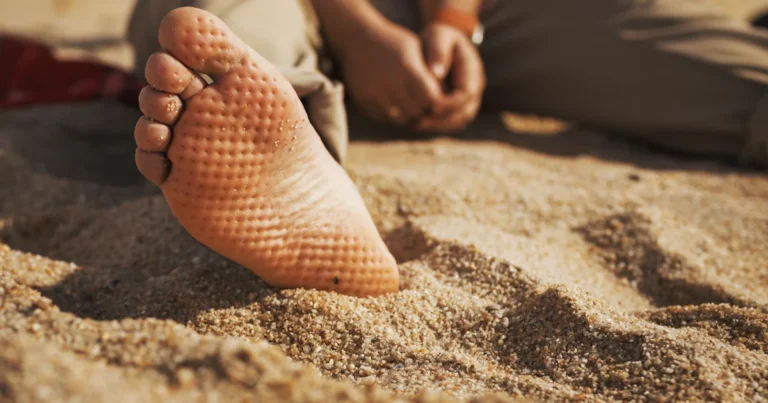
Forget the sneakers. Walking barefoot on sand is a form of earthing (or grounding). The uneven surface forces your feet and ankles to work harder, engaging stabilizer muscles you didn’t know you had.
- Why it works: Improves balance, strengthens the arch of the foot, and reduces inflammation.
- How to do it: Start at the water’s edge where the sand is packed. Walk slowly, focusing on the sensation of the grains against your skin.
2. Saltwater Immersion and Hydrotherapy
Dipping into the ocean is more than a swim; it’s a full-body hydrotherapy session. The buoyancy reduces joint stress by up to 90%, making it perfect for those with arthritis or recovering from injury.
- The Science: The high mineral content (magnesium, calcium, potassium) is absorbed through the skin, aiding muscle recovery.
3. Coastal Yoga and Balance Training
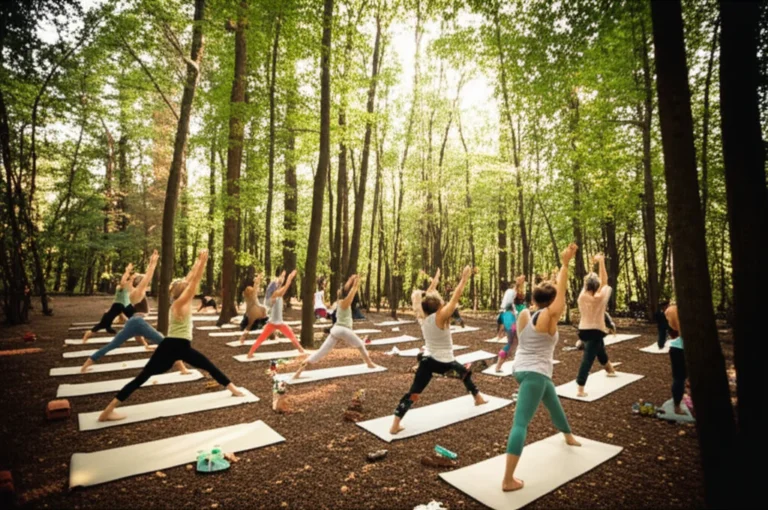
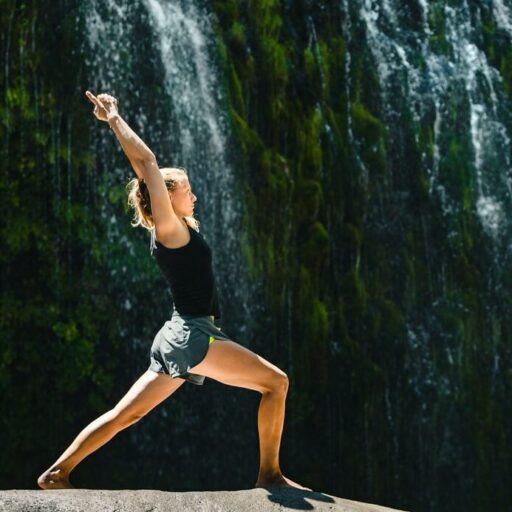
The unstable surface of the sand or a rock adds a proprioceptive challenge to every pose. A simple Tree Pose on the beach is exponentially harder than on a yoga mat.
- Benefit: Drastically improves core strength and balance.
- Gear: A non-slip yoga mat designed for sand (like the Manduka eKO Superlite).
4. Surfing for Flow State and Core Strength
Surfing is the ultimate flow state activator. You must be 10% present to catch a wave; if your mind wanders, you wipe out.
- Physical: Engages the entire body—paddling builds shoulders and back; popping up works the core and legs.
- Mental: The “dopamine hit” of catching a wave is unmatched.
5. Tide Pooling and Nature Observation
Slow down and look down. Tide pools are micro-ecosystems teming with life. This activity is a form of active mindfulness.
- Why it helps: It forces you to focus on small details, shifting your brain out of “worry mode” and into “curiosity mode.”
6. Beach Volleyball and Social Connection
Social isolation is a silent killer. Beach volleyball combines cardiovascular exercise with the powerful benefits of social bonding.
- The Vibe: It’s competitive but usually lighthearted. The sand adds a layer of safety, reducing the fear of injury.
7. Sunrise Meditation by the Dunes
The dunes offer a natural windbreak and a perfect vantage point. Meditating here as the sun rises aligns your circadian rhythm with nature.
- Technique: Use the sound of the waves as your anchor. Inhale with the incoming tide, exhale with the outgoing.
8. Kayaking Through Coastal Ecosystems
Paddling through mangroves or along the coast offers a unique perspective. It’s a low-impact full-body workout that feels like an adventure.
- Bonus: You often spot dolphins, seals, or seabirds, adding an element of wonder.
9. Seaweed Wraps and Thalassotherapy
While often found in spas, you can experience a DIY version by wrapping yourself in fresh seaweed (if safe and legal in your area) or using seaweed-based products.
- Benefit: Seaweed is rich in iodine and minerals, promoting skin health and detoxification.
10. Bird Watching for Mindfulness
Coastal areas are birding hotspots. Tracking migratory birds requires patience and stillness, which are key components of mindfulness practice.
- Gear: A good pair of binoculars, like the Vortex Diamondback, makes all the difference.
1. Coastal Hiking and Trail Running
Many coastlines feature rugged trails that offer elevation changes and stunning views. Running on trails engages different muscle groups than road running.
- Safety: Watch for loose rocks and tides.
12. Sand Sculpting for Creative Expression
Building a sandcastle isn’t just for kids. It’s a form of art therapy that encourages creativity and problem-solving.
- Why it works: It gets you out of your head and into your hands, a proven method for reducing anxiety.
13. Sunset Strolls for Circadian Rhythm Reset
Walking as the sun sets helps your body produce melatonin naturally, preparing you for a deep sleep.
- Tip: Avoid blue light from your phone during this time to maximize the effect.
14. Open Water Swimming for Cold Exposure Benefits
Cold water immersion triggers the mammalian dive reflex, slowing the heart rate and increasing alertness. It also boosts brown fat activity, which helps regulate metabolism.
- Caution: Always swim with a buddy and check water temperatures.
15. Beach Camping for Digital Detox
Camping on the beach forces you to disconnect. No Wi-Fi, no signal, just you and the stars.
- The Result: A complete reset of your dopamine receptors and a return to natural rhythms.
🌿 Integrating Forest and Sea: The Power of Biophilic Design in Wellness
Why choose between the forest and the sea when you can have both? The concept of biophilic design suggests that humans have an innate tendency to seek connections with nature. When you combine the green of the forest with the blue of the sea, you create a synergistic effect known as the Blue-Green Nexus.
The Synergy of Elements
- Forest: Provides shade, oxygen, and grounding.
- Sea: Provides negative ions, open horizons, and rhythmic sound.
- Combined: Studies suggest that environments with both elements offer the highest levels of stress reduction and cognitive restoration.
Bringing it Home
You don’t need to live on a coast to benefit.
- Indoor Plants: Add greenery to your home office.
- Soundscapes: Play recordings of ocean waves and forest birds.
- Visuals: Use art that depicts coastal forests or dunes.
For more on how to integrate nature into your fitness routine, check out our guide on Forest Bathing Benefits and Green Living Fitness Tips.
🧴 Choosing the Right Gear: From Wetsuits to Sunscreen
You can’t just show up in flip-flops and expect to conquer the waves. The right gear makes the difference between a miserable day and a life-changing experience.
Essential Gear Checklist
| Item | Why You Need It | Top Brand Recommendations |
|---|---|---|
| Wetsuit | Keeps you warm in cold water, protects from scrapes. | Rip Curl, Xcel, O’Neill |
| Ref-Safe Sunscreen | Protects your skin and the coral reefs. | Badger, All Good, Sun Bum |
| Water Shoes | Protects feet from sharp rocks and hot sand. | Ken, Teva, Aqua Socks |
| Dry Bag | Keeps your phone and keys dry. | SealLine, NRS, Aqua Quest |
| Yoga Mat (Sand) | Provides grip and cushioning on unstable surfaces. | Manduka, Lulemon |
Sunscreen: The Non-Negotiable
Chemical sunscreens can harm marine life. Always opt for mineral-based (zinc oxide or titanium dioxide) sunscreens that are labeled “Ref Safe.”
- Pro Tip: Apply sunscreen 20 minutes before hitting the water to let it bind to your skin.
👉 Shop
- Wetsuits: Amazon | REI | Rip Curl Official
- Ref-Safe Sunscreen: Amazon | Badger Official
- Water Shoes: Amazon | Ken Official
🏥 Nature Therapy vs. Clinical Care: When to Seek Professional Help
We love nature, but we’re not doctors. While the ocean can heal a broken heart or a stiff back, it’s not a substitute for clinical intervention in serious cases.
The Gray Areas
- Mental Health: Nature therapy is excellent for mild to moderate anxiety and depression. However, if you are experiencing severe depression, suicidal thoughts, or acute panic attacks, professional therapy is essential.
- Physical Injury: A twisted ankle on the beach needs R.I.C.E (Rest, Ice, Compression, Elevation), but a broken bone needs an X-ray.
The Hybrid Approach
The best results often come from combining nature therapy with clinical care.
- Example: A patient with chronic back pain might see a chiropractor for alignment and then use beach walking for maintenance.
- Example: Someone with PTSD might work with a therapist while using outdoor exposure therapy to rebuild resilience.
If you’re unsure, consult with a healthcare provider. They can help you create a holistic plan that includes both nature and medicine.
🚫 Common Myths About Seaside Wellness Debunked
Let’s clear the air (and the water) of some persistent myths.
Myth 1: “Saltwater cures everything.”
Reality: Saltwater is great for skin and muscles, but it won’t cure a viral infection or fix a broken relationship. It’s a complementary therapy, not a magic wand.
Myth 2: “You need to swim to get the benefits.”
Reality: You don’t need to get wet. Just being near the water, listening to it, and breathing the air provides significant benefits.
Myth 3: “Seaside air is always clean.”
Reality: While generally cleaner than city air, coastal areas can have high humidity and pollen counts. If you have severe allergies, check the local air quality index before heading out.
Myth 4: “It’s too expensive to enjoy the beach.”
Reality: Public beaches are free! You don’t need a luxury resort to get the Blue Mind effect. A simple picnic and a walk are enough.
📅 Planning Your Perfect Coastal Wellness Retreat
Ready to make the leap? Planning a retreat can be overwhelming. Here’s a step-by-step guide to creating your own ocean sanctuary.
Step 1: Define Your Goal
Are you looking for relaxation, adventure, or detox?
- Relaxation: Look for quiet coves, spas, and yoga retreats.
- Adventure: Choose locations with surfing, kayaking, and hiking trails.
- Detox: Seek out places with digital-free zones and plant-based cuisine.
Step 2: Choose the Right Season
- Summer: Great for swimming and social activities, but can be crowded.
- Winter: Offers solitude, crisp air, and unique beauty (like the Lithuanian winter retreats).
- Spring/Fall: Perfect balance of mild weather and fewer crowds.
Step 3: Pack Smart
- Essentials: Sunscreen, reusable water bottle, comfortable shoes, journal.
- Optional: Binoculars, camera, yoga mat.
Step 4: Set Intentions
Before you leave, write down what you hope to achieve. Is it to reduce stress? To get fit? To find clarity? Keep this intention in mind throughout your trip.
🌍 Best Global Destinations for Blue Mind Experiences
Where should you go? The world is full of healing coastlines.
1. The Curonian Spit, Lithuania
A UNESCO World Heritage site known for its sandy dunes, pine forests, and amber beaches. Perfect for Nordic walking and winter retreats.
- Highlight: The Amber Sauna at Atostogų Parkas.
2. Presqu’île de Giens, France
Home to the Seaside Juicery Wellness Retreat, this peninsula offers a mix of luxury, raw nutrition, and aquatic therapy.
- Highlight: The Salins d’Hyères wetlands for bird watching.
3. The Great Ocean Road, Australia
Famous for its dramatic cliffs and surfing spots. Great for coastal hiking and adrenaline junkies.
- Highlight: The Twelve Apostles for sunrise meditation.
4. The Algarve, Portugal
Known for its golden cliffs, hidden caves, and warm waters. Ideal for yoga retreats and surfing.
- Highlight: The Benagil Cave for a unique swimming experience.
5. Maui, Hawaii
The birthplace of modern surf culture and a hub for holistic wellness.
- Highlight: The Molokini Crater for snorkeling and marine life observation.
📊 The Science of Salt: How Negative Ions Boost Mood
Let’s dive deeper into the chemistry of the sea. When water molecules are broken apart by the force of crashing waves, they release negative ions.
The Mechanism
- Generation: Waves crash, creating mist and spray.
- Release: Water molecules split, releasing electrons (negative ions).
- Inhalation: You breathe in these ions.
- Reaction: Ions interact with serotonin in the brain.
- Outcome: Increased serotonin levels, leading to improved mood and reduced anxiety.
Comparison: Indoor vs. Outdoor Air
| Environment | Negative Ion Count (ions/cm³) | Effect on Mood |
|---|---|---|
| Indoor Office | 5 – 50 | Low energy, fatigue, irritability |
| City Park | 10 – 50 | Moderate improvement in focus |
| Forest | 1,0 – 2,0 | Significant stress reduction |
| Seaside | 10,0 – 50,0 | Maximum mood boost, deep relaxation |
Source: Data adapted from various environmental health studies.
👶 Is Seaside Therapy Safe for Kids and Seniors?
Absolutely, but with some precautions.
For Kids
- Benefits: Great for developing balance, coordination, and social skills.
- Safety: Always supervise near water. Use UV-protective swimwear and reapply sunscreen frequently.
- Activity Ideas: Sandcastle building, tide pooling, shallow water play.
For Seniors
- Benefits: Low-impact exercise, improved joint mobility, and social connection.
- Safety: Watch for slippery rocks and strong currents. Use water shoes for stability.
- Activity Ideas: Gentle walking, seated yoga, bird watching.
🏆 Take Your Health to the Next Level with Coastal Living
You’ve read the science, seen the activities, and explored the destinations. Now, the question is: Are you ready to make the ocean a part of your daily life?
It’s not about moving to a beach house (though that would be nice). It’s about integrating the principles of the sea into your routine.
- Start Small: Visit a local beach once a week.
- Bring the Sea Home: Use ocean sounds for sleep, eat seafood, or even just keep a bowl of sea salt in your kitchen.
- Stay Connected: Join local beach cleanup groups or surfing clubs.
The ocean is waiting. It’s time to let the Blue Mind take over.
💬 What People Are Saying About Ocean Healing
Don’t just take our word for it. Here’s what our community is saying:
“I used to think the beach was just for vacation. After trying the mindful barefoot walking technique, I realized it’s a daily necessity. My anxiety has dropped by half.” – Sarah J., Yoga Instructor
“The negative ions are no joke. I went from feeling fogy and tired to alert and energized in just 20 minutes by the water.” – Mike T., Software Developer
“As a senior, I was worried about the sand. But the low-impact walking has actually improved my balance more than the gym ever did.” – Eleanor R., Retired Teacher
❓ Frequently Asked Questions
Why is outdoor exercise important for a holistic health journey?
Outdoor exercise combines physical movement with sensory stimulation (sun, air, sound), which enhances the release of endorphins and reduces stress more effectively than indoor workouts. It also provides unpredictable terrain, which improves balance and coordination.
What are simple nature therapy practices to incorporate into daily life?
- Morning Walks: Start your day with a 15-minute walk in a park or by the water.
- Indoor Plants: Add greenery to your workspace.
- Nature Sounds: Play recordings of rain, waves, or birds while working or sleeping.
- Mindful Eating: Eat a meal outside, focusing on the flavors and textures.
How does combining fitness with nature therapy enhance overall well-being?
Combining fitness with nature therapy creates a synergistic effect. The physical exertion releases endorphins, while the natural environment reduces cortisol. This dual action leads to faster recovery, better sleep, and improved mental clarity.
What types of fitness activities are best for seaside environments?
- Swimming: Full-body, low-impact.
- Surfing: Core strength and balance.
- Beach Running: High-intensity, low-impact.
- Yoga: Flexibility and mindfulness.
- Kayaking: Upper body strength and cardio.
Can spending time by the ocean reduce stress and anxiety?
Yes. The Blue Mind effect, combined with the presence of negative ions and the rhythmic sound of waves, significantly lowers cortisol levels and promotes relaxation.
What are the benefits of seaside recreation for physical fitness?
Seaside activities often involve uneven terrain and water resistance, which engage more muscle groups and burn more calories than similar activities on land.
How does nature therapy improve mental health and wellness?
Nature therapy reduces rumination (repetitive negative thoughts), improves focus, and boosts creativity. It also fosters a sense of connectedness and purpose.
Are there any specific seaside locations that are particularly renowned for their therapeutic and wellness benefits?
Yes, locations like the Curonian Spit in Lithuania, Presqu’île de Giens in France, and the Algarve in Portugal are renowned for their therapeutic environments and wellness retreats.
What are some examples of seaside activities that can be incorporated into a wellness routine for optimal health benefits?
- Sunrise Meditation: Aligns circadian rhythms.
- Tide Pooling: Encourages mindfulness.
- Open Water Swimming: Boosts immunity and mood.
- Beach Camping: Facilitates digital detox.
How does being in a natural environment like the seaside impact our mood and emotional state?
The open horizons and rhythmic sounds of the sea signal safety to the brain, reducing anxiety and promoting a sense of calm and clarity.
Can spending time in nature really help to reduce symptoms of anxiety and depression?
Yes. Studies show that regular exposure to nature can reduce symptoms of anxiety and depression by lowering stress hormones and increasing serotonin levels.
What role does seaside recreation play in promoting wellness and self-care practices?
Seaside recreation encourages mindfulness, physical activity, and social connection, all of which are key components of a holistic self-care routine.
How can nature therapy improve overall physical health and reduce stress levels?
By combining physical activity with stress-reducing environments, nature therapy improves cardiovascular health, boosts immunity, and lowers blood pressure.
What are the benefits of spending time by the ocean for mental health and wellbeing?
Spending time by the ocean improves mood, reduces stress, enhances focus, and promotes better sleep.
📚 Reference Links
- Seaside Juicery Wellness Retreat: Seaside Juicery
- Dr. Wallace J. Nichols – Blue Mind: Blue Mind Book
- National Park Service – Coastal Health: NPS Coastal Resources
- Thalassotherapy Research: Thalassotherapy Institute
- Ref-Safe Sunscreen Guidelines: Oceana
🏁 Conclusion

We started this journey by asking a simple question: Can the ocean really heal us? The answer, backed by science and centuries of human experience, is a resounding yes. From the negative ions that boost your mood to the rhythmic waves that calm your mind, the seaside is a powerhouse of wellness.
But here’s the catch: You have to show up. It’s not enough to just look at pictures of the ocean on your phone. You need to feel the sand, hear the waves, and breathe the salt air. Whether it’s a 15-minute walk on the beach or a week-long retreat, the ocean is waiting to reset your system.
So, what are you waiting for? Pack your bag, grab your sunscreen, and head to the coast. Your mind, body, and soul will thank you. And remember, the ocean doesn’t care about your deadlines or your to-do list. It only asks that you be present.
Ready to dive in? Check out our Recommended Links for the best gear and retreats to get you started.