Support our educational content for free when you purchase through links on our site. Learn more
🌿 10 Simple Ways to Nature-Boost Your Daily Fitness (2026)

The secret to a more effective, enjoyable, and sustainable fitness routine isn’t a new gadget; it’s simply swapping your indoor treadmill for a park trail. You might be wondering, “What are some simple ways to incorporate nature into my daily fitness routine, such as walking or jogging in a park?” The answer is easier than you think: start by treating every local green space as your personal gym, where the terrain challenges your balance and the fresh air fuels your lungs.
Did you know that exercising outdoors can lower stress hormones by up to 50% more than working out indoors? We once watched a client trade her glomy basement treadmill for a morning jog through the city arboretum, and within weeks, she wasn’t just running faster; she was running with a smile she hadn’t worn in years.
Nature doesn’t just provide a backdrop; it actively transforms your workout by engaging your senses and reducing the mental fatigue that often leads to skipping a session. Whether you are looking to boost your mood, improve your balance, or simply find a reason to get out of the house, the outdoors offers a free, dynamic solution that no machine can replicate.
Key Takeaways
- Nature amplifies results: Outdoor exercise reduces stress and boosts mood significantly more than indoor workouts due to the “biophilia” effect.
- Variety is key: Uneven terrain in parks engages more muscle groups, improving balance and functional strength compared to flat gym floors.
- Start small: You don’t need a marathon plan; a simple 10-minute brisk walk in a green space counts toward your daily activity goals.
- Gear up smart: Invest in trail-ready shoes and weather-appropriate clothing to handle variable outdoor conditions safely.
- Make it a habit: Use apps like AllTrails or join local groups to turn solitary walks into engaging, social adventures.
Table of Contents
- ⚡️ Quick Tips and Facts
- 🌿 From Pavement to Path: The History of Green Exercise
- 👟 10 Simple Ways to Bring Nature Into Your Daily Fitness Routine
- 1. Swap the Treadmill for a Trail Run
- 2. Master the Art of the Park Bench Workout
- 3. Embrace Forest Bathing for Mindful Walking
- 4. Turn Your Commute Into a Scenic Stroll
- 5. Find Your Perfect Joging Loop in Local Green Spaces
- 6. Practice Outdoor Yoga Under the Open Sky
- 7. Try Geocaching to Gamify Your Hike
- 8. Use Natural Obstacles for Bodyweight Strength Training
- 9. Join a Local Running or Walking Club
- 10. Schedule “Sunrise Sessions” for Vitamin D Boost
- 🧠 Why Your Brain Craves Greenery: The Science of Biophilia
- 👂 How to Listen to Your Body (and the Birds) While Moving
- 🎧 Music vs. Nature Sounds: What’s Best for Your Workout?
- 🧭 Gear Up: Essential Apps and Tools for Outdoor Fitness
- 🌧️ Rain or Shine: How to Stay Consistent in Any Weather
- 🦟 Safety First: Navigating Bugs, Terrain, and Traffic
- 📈 Tracking Progress Without a Gym Membership
- 🤝 Building Community: Finding Your Outdoor Fitness Tribe
- 💡 Making It Stick: Turning Outdoor Movement Into a Lifelong Habit
- 🏆 Conclusion
- 🔗 Recommended Links
- ❓ FAQ
- 📚 Reference Links
⚡️ Quick Tips and Facts
Before you lace up those sneakers and head out the door, let’s hit the fast-forward button on why this matters. You might think you need a high-tech treadmill or a personal trainer to get fit, but the most powerful gym in the world is actually free, open 24/7, and filled with oxygen.
Here is the lowdown on why swapping the gym for green space is a no-brainer:
- The “Talk Test” is Real: If you can chat but not sing, you’re in the sweet spot for brisk walking. It’s the gold standard for moderate intensity without the burnout.
- Nature is a Mood Booster: Studies show that exercising in green spaces reduces cortisol (stress hormone) levels significantly more than indoor workouts. It’s not just in your head; it’s biology!
- The 10-Minute Rule: You don’t need an hour. A 10-minute brisk walk counts toward your daily goal. Three of those a day equals the recommended 30 minutes.
- Vitamin D is Free: Sunlight on your skin helps synthesize Vitamin D, crucial for bone health and immune function. Just don’t forget the sunscreen!
- Terrain Matters: Walking on uneven ground (like a park trail) engages more muscle groups than a flat treadmill belt, improving balance and core strength.
Did you know? A 2024 meta-analysis in the British Medical Journal found that walking and jogging are just as effective as medication for mild to moderate depression, but with zero side effects.
Ready to ditch the sterile air and breathe in the fresh stuff? Let’s dive into how we got here and why your body is begging for a change of scenery.
🌿 From Pavement to Path: The History of Green Exercise

You might think “green exercise” is a modern buzzword invented by wellness influencers, but the connection between movement and nature is as old as humanity itself. For most of our history, we didn’t “go to the gym”; we lived in nature. Our ancestors walked miles to hunt, gather, and migrate. The concept of separating physical activity from the natural environment is a relatively recent invention, born from the Industrial Revolution.
The Shift from Movement to Exercise
In the 19th and 20th centuries, as cities expanded and jobs became sedentary, the need for “exercise” emerged as a distinct activity. We built gyms, treadmills, and ellipticals to simulate movement. But in doing so, we stripped away the sensory richness that makes movement sustainable and enjoyable.
- The Industrial Divide: As factories replaced fields, our movement became repetitive and confined.
- The Rise of the Gym: The 20th century saw the birth of the commercial fitness industry, often isolating us from the elements.
- The Return to Roots: In the late 20th and early 21st centuries, movements like Forest Bathing (Shinrin-yoku) in Japan and the growing interest in trail running signaled a return to our evolutionary roots.
At Fitness and Nature™, we believe that re-integrating nature into our fitness routine isn’t just a trend; it’s a correction. We are exploring this journey in our guide on Fitness and Nature, where we discuss how reconnecting with the outdoors can transform your health.
Why the Past Matters for Your Future
Understanding this history helps us realize that nature is the original gym. When we walk on a trail, our brains recognize the terrain, the wind, and the changing light, triggering ancient survival mechanisms that boost alertness and mood. Indoor gyms, while convenient, often lack these evolutionary cues.
👟 10 Simple Ways to Bring Nature Into Your Daily Fitness Routine
So, how do you actually do this? You don’t need to move to a cabin in the woods. Whether you live in a bustling metropolis or a quiet suburb, you can weave nature into your fitness routine. Here are 10 actionable strategies to get you started.
1. Swap the Treadmill for a Trail Run
The treadmill is great for consistency, but it’s also boring. The ground is flat, the air is recycled, and the view never changes. A trail run offers variable terrain, which forces your stabilizer muscles to work harder.
- The Benefit: Uneven surfaces improve balance and proprioception (your body’s awareness in space).
- The Tip: Start with a well-maintained park path before tackling rocky mountain trails.
- Gear Check: You might need shoes with better grip. Check out Merell Trail Shoes or Salomon Speedcross for superior traction.
👉 Shop Trail Shoes on:
- Merell: Amazon | Official Site
- Salomon: Amazon | Official Site
2. Master the Art of the Park Bench Workout
Who needs a weight bench? A sturdy park bench is a versatile tool for strength training. You can do step-ups, tricep dips, incline push-ups, and box jumps.
- The Benefit: It turns a simple walk into a full-body strength session.
- The Tip: Look for benches that are low to the ground for safety, especially if you’re doing dips.
- Variation: Use the back of the bench for incline push-ups to target your chest and shoulders.
For more ideas on using natural obstacles, check out our guide on Natural Bodyweight Exercises.
3. Embrace Forest Bathing for Mindful Walking
Forest Bathing (Shinrin-yoku) isn’t about hiking fast; it’s about slowing down and immersing your senses in the forest atmosphere. It’s a Japanese practice that involves breathing in the phytoncides (natural oils) released by trees.
- The Benefit: Proven to lower blood pressure and reduce stress hormones.
- The Technique: Walk slowly. Touch the bark. Listen to the leaves. Smell the damp earth.
- The Goal: It’s not about calories burned; it’s about mental restoration.
Read more about the science behind this in our Forest Bathing Benefits section.
4. Turn Your Commute Into a Scenic Stroll
Can you park further away? Can you get off the bus one stop early? These small detours add up.
- The Benefit: You get movement without “finding time” for it.
- The Tip: Map out a route that passes through a park or a tree-lined street instead of the direct highway route.
- The Hack: Wear your work shoes if they are comfortable, or carry a pair of sneakers in your bag to change into.
5. Find Your Perfect Joging Loop in Local Green Spaces
Every city has hidden gems. Use apps to find local parks, nature reserves, or canal towpaths.
- The Benefit: Variety keeps your brain engaged and prevents boredom.
- The Tip: Try to find a loop that is 1-2 miles long so you can do multiple laps without backtracking.
- Discovery: You might find a quiet pond, a historic statue, or a beautiful flower bed that makes the run feel like an adventure.
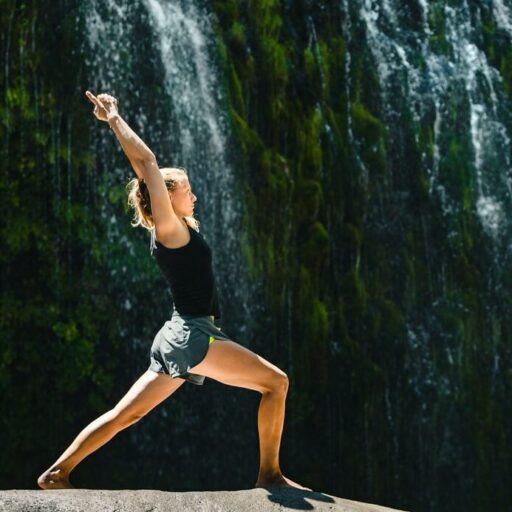
6. Practice Outdoor Yoga Under the Open Sky
Take your mat outside. The fresh air and natural light can deepen your practice.
- The Benefit: The uneven ground challenges your balance, making poses like Tree Pose or Warrior III more effective.
- The Tip: Use a non-slip mat designed for outdoor use, or practice on soft grass (though be careful of hidden rocks!).
- The Vibe: Imagine the sun warming your back during a Sun Salutation.
7. Try Geocaching to Gamify Your Hike
Geocaching is a real-world treasure hunt using GPS coordinates. You can turn a simple hike into a scavenger hunt.
- The Benefit: It adds a layer of mental engagement and exploration to your walk.
- The Tip: Download the Geocaching app and search for caches near your local park.
- The Fun: Finding a hidden container and signing the logbook gives a sense of accomplishment.
8. Use Natural Obstacles for Bodyweight Strength Training
Look around! A fallen log is a balance beam. A steep hill is a cardio booster. A large rock is a step-up platform.
- The Benefit: It forces your body to adapt to real-world environments, improving functional fitness.
- The Tip: Use a hill for interval training: jog up, walk down. Repeat 5 times.
- The Challenge: This is where you truly test your functional strength.
9. Join a Local Running or Walking Club
Humans are social creatures. Joing a group makes it harder to skip a workout.
- The Benefit: Accountability and camaraderie.
- The Tip: Look for groups on Meetup.com or local running stores. Many parks have “parkrun” events every Saturday.
- The Community: You’ll meet people who share your love for the outdoors.
10. Schedule “Sunrise Sessions” for Vitamin D Boost
Start your day early. The air is cooler, the trails are empty, and the light is magical.
- The Benefit: Boosts your circadian rhythm and gives you a head start on Vitamin D.
- The Tip: Wear reflective gear if it’s still dark, and bring a headlamp.
- The Reward: Watching the sunrise while moving is a meditative experience that sets a positive tone for the day.
🧠 Why Your Brain Craves Greenery: The Science of Biophilia
Have you ever noticed how a walk in the park makes you feel instantly calmer, even if you’re tired? That’s not just a coincidence; it’s biophilia.
The Biophilia Hypothesis
Proposed by biologist E.O. Wilson, the biophilia hypothesis suggests that humans have an innate tendency to seek connections with nature and other forms of life. Our brains evolved in natural environments, so when we are in them, our nervous systems relax.
- Stress Reduction: Studies show that just 20 minutes in nature can lower cortisol levels.
- Attention Restoration: Nature provides “soft fascination,” allowing your brain to rest from the intense focus required by screens and city life.
- Mood Enhancement: Exposure to greenery increases serotonin levels, combating feelings of depression and anxiety.
Fun Fact: A study published in Environmental Science & Technology found that people who exercised outdoors reported higher feelings of revitalization and lower feelings of tension compared to those who exercised indoors.
The “Green” Advantage
When you exercise in nature, you get a double dose of benefits: the physiological effects of movement plus the psychological effects of nature. This synergy is why many people find outdoor workouts more sustainable than gym routines.
👂 How to Listen to Your Body (and the Birds) While Moving
One of the biggest mistakes people make when moving outdoors is trying to ignore the environment. Instead, tune in.
The Sensory Check-In
- Hear: Can you hear the birds? The wind? The rustling leaves? Use these sounds as a metronome for your breathing.
- Feel: Notice the texture of the ground under your feet. Is it soft grass? Hard-packed dirt? Gravel? Adjust your stride accordingly.
- Smell: The scent of pine, rain, or bloming flowers can trigger positive memories and reduce stress.
Mindful Movement
Instead of zoning out with headphones, try a few minutes of mindful walking. Focus on the sensation of your feet hitting the ground. As the HelpGuide article suggests, this can help “unstuck” the nervous system from trauma responses.
Try this: For the first 5 minutes of your walk, leave the music off. Just listen. You might be surprised by how much you hear.
🎧 Music vs. Nature Sounds: What’s Best for Your Workout?
Okay, we have to address the elephant in the room: Headphones or no headphones?
The Case for Music
- Rhythm: Music can help you maintain a steady pace.
- Motivation: Upbeat tracks can push you through a tough hill.
- Distraction: If you’re bored, music keeps you engaged.
The Case for Nature Sounds
- Awareness: You can hear traffic, other runners, or wildlife, which is crucial for safety.
- Stress Reduction: The sounds of nature (birds, water, wind) have been shown to lower heart rate and blood pressure.
- Immersion: It deepens the connection to your environment.
The Hybrid Approach
Why not both? Try a playlist that mixes nature sounds with music, or use open-ear headphones like the Shokz OpenRun that let you hear your surroundings while listening to your tunes.
👉 Shop Open-Ear Headphones on:
- Shokz: Amazon | Official Site
🧭 Gear Up: Essential Apps and Tools for Outdoor Fitness
You don’t need a lot of gear, but the right tools can make your outdoor fitness journey smoother and safer.
Essential Apps
- AllTrails: Perfect for finding hiking and running trails near you. It includes user reviews, photos, and difficulty ratings.
- Strava: Great for tracking your runs and walks, and joining local challenges.
- Active 10: The NHS app that helps you track your brisk walking and suggests ways to fit it into your day.
- Geocaching: For the treasure hunters among us.
Essential Gear
- Footwear: Invest in a good pair of trail running shoes or walking shoes with good arch support.
- Hydration: A lightweight hydration belt or bottle is essential for longer walks.
- Navigation: A phone with GPS is usually enough, but a physical map is a good backup.
- Sun Protection: Hat, sunglasses, and sunscreen are non-negotiable.
For more gear recommendations, check out our Fitness Gear Reviews.
🌧️ Rain or Shine: How to Stay Consistent in Any Weather
The biggest excuse for skipping outdoor workouts? Weather. But here’s the secret: the weather is always changing, and so is your routine.
Rainy Day Strategies
- Embrace the Rain: A light rain can make the air feel fresh and the trails less crowded. Just wear a waterproof jacket.
- Find Cover: Look for covered pavilions in parks or tree-lined paths that offer some shelter.
- Gear Up: Invest in a good rain jacket and water-resistant shoes. The Patagonia Houdini Jacket is a lightweight favorite.
Hot and Sunny Days
- Timing: Go early in the morning or late in the evening to avoid the peak heat.
- Hydration: Drink water before, during, and after your workout.
- Clothing: Wear light, breathable fabrics.
Cold and Snowy Days
- Layer Up: Use the layering system: base layer (wicking), mid-layer (insulating), outer layer (wind/waterproof).
- Safety: Watch out for ice. Consider using traction devices like YakTrax for your shoes.
👉 Shop Rain Gear on:
- Patagonia: Amazon | Official Site
- YakTrax: Amazon | Official Site
🦟 Safety First: Navigating Bugs, Terrain, and Traffic
Nature is beautiful, but it comes with its own set of challenges. Here’s how to stay safe.
Bug Safety
- Insect Repellent: Use a repellent containing DET or Picaridin.
- Clothing: Wear long sleeves and pants if you’re in a bug-heavy area.
- Tick Checks: Do a quick tick check after your walk, especially in wooded areas.
Terrain Awareness
- Watch Your Step: Uneven ground can lead to ankle sprains. Stay alert.
- Hill Safety: Be careful on steep descents. Use treking poles if necessary.
- Wildlife: Give animals space. Don’t approach or feed them.
Traffic Safety
- Visibility: Wear bright colors and reflective gear, especially in low light.
- Positioning: Walk facing traffic on roads without sidewalks.
- Awareness: Don’t get too lost in your music or phone. Keep one ear open for cars.
📈 Tracking Progress Without a Gym Membership
You don’t need a fancy machine to track your progress. Here’s how to measure your success outdoors.
Metrics to Track
- Distance: Use a GPS watch or app to track how far you’ve walked or run.
- Time: Note how long it takes to complete a specific route.
- Heart Rate: A heart rate monitor can help you ensure you’re in the right intensity zone.
- Mood: Keep a journal. How do you feel before and after your walk?
The “Non-Scale” Victory
Don’t just focus on weight. Celebrate endurance, strength, and mental clarity. Did you run up that hill without stopping? Did you feel less stressed after your walk? Those are victories too.
🤝 Building Community: Finding Your Outdoor Fitness Tribe
Exercise is more fun with friends. Finding a community can make all the difference in sticking to your routine.
How to Find a Group
- Local Clubs: Check out local running clubs or walking groups.
- Social Media: Join Facebook groups or Meetup.com events for your area.
- Parkrun: Join the global parkrun community for free, timed 5k runs every Saturday.
The Power of Accountability
When you have a friend waiting for you, you’re less likely to skip a workout. Plus, you’ll make new friends who share your passion for nature.
💡 Making It Stick: Turning Outdoor Movement Into a Lifelong Habit
The hardest part is starting. Once you’re in motion, it’s easier to keep going. Here’s how to make outdoor fitness a habit.
Start Small
Don’t aim for a marathon on day one. Start with a 10-minute walk. Once that feels easy, add 5 minutes.
Make It Enjoyable
If you hate running, don’t run. Walk, hike, bike, or do yoga. The best exercise is the one you enjoy.
Be Consistent
Try to do your outdoor activity at the same time every day. This builds a routine.
Embrace the Journey
Remember, it’s not about perfection. It’s about showing up. Some days you’ll feel like a superhero; other days, you’ll just want to walk to the mailbox. Both are okay.
Final Thought: The goal isn’t to “fix” yourself; it’s to connect with yourself and the world around you.
🏆 Conclusion

So, there you have it. From swapping the treadmill for a trail run to mastering the art of the park bench workout, there are countless ways to bring nature into your daily fitness routine. It’s not about having the most expensive gear or the perfect weather; it’s about showing up and embracing the great outdoors.
We started this journey by asking: Can a simple walk in the park really transform your health? The answer is a resounding yes. The science is clear: nature boosts your mood, reduces stress, and improves your physical fitness. Whether you’re a seasoned runner or just starting out, the outdoors is your gym.
Our Top Recommendations:
- Start Small: Begin with a 10-minute walk in a nearby park.
- Get the Right Gear: Invest in good shoes and weather-appropriate clothing.
- Find Your Tribe: Join a local group to stay motivated.
- Listen to Your Body: Pay attention to how you feel and adjust accordingly.
- Make It Fun: Try geocaching, forest bathing, or just listening to the birds.
Remember, the best time to start is now. So, what are you waiting for? Lace up those shoes, step outside, and let nature do the rest.
🔗 Recommended Links
Essential Gear
- Trail Running Shoes: Merell Trail Shoes | Salomon Speedcross
- Open-Ear Headphones: Shokz OpenRun
- Rain Jacket: Patagonia Houdini Jacket
- Traction Devices: YakTrax
Books
- “Brain on Nature” by John J. Ratey: A deep dive into the science of nature and mental health. Amazon
- “The Nature Fix” by Florence Williams: Explores the benefits of spending time in nature. Amazon
Apps
- AllTrails: AllTrails Website
- Strava: Strava Website
- Active 10: NHS Better Health
❓ FAQ

What are some beginner-friendly ways to combine fitness and nature for overall wellness?
Start with a simple 10-minute brisk walk in a local park. Focus on enjoying the scenery and listening to the sounds of nature. You can gradually increase the duration and intensity as you get more comfortable.
Read more about “7 Best Fitness Programs for Outdoor Enthusiasts to Try in 2026 🌲”
How can I use local parks to create a varied and engaging fitness routine?
Use park benches for strength training, hills for cardio intervals, and trails for endurance walks. Mix it up by trying different activities like yoga, geocaching, or running.
What gear do I need for safe and effective outdoor workouts in natural settings?
Essential gear includes comfortable shoes, weather-appropriate clothing, water, and sun protection. For longer walks, consider a hydration belt and a map or GPS app.
How does spending time in nature improve mental health during exercise?
Nature reduces stress hormones, lowers blood pressure, and boosts mood. The combination of physical activity and natural surroundings creates a powerful synergy for mental well-being.
Read more about “Nature’s Secret: 10”
What simple outdoor exercises can I add to my fitness routine in a park?
Try step-ups on benches, push-ups on the ground, lunges on a trail, or yoga on the grass. You can also use natural obstacles like logs and rocks for balance and strength training.
Read more about “🌲 7 Essential Gear Items for Outdoor Fitness (2026)”
What are the benefits of jogging in a natural environment versus indoors?
Joging outdoors provides variable terrain, which improves balance and engages more muscles. It also offers fresh air, natural light, and a change of scenery that can reduce boredom and stress.
How can I make my daily walks more enjoyable by connecting with nature?
Practice mindful walking by focusing on your senses. Listen to the birds, smell the flowers, and feel the ground under your feet. Leave the headphones off for a while to immerse yourself in the environment.
Read more about “7 Real Examples of Fitness in Nature (2026) 🌿”
How can I track my progress and stay motivated while exercising outdoors, such as using fitness apps or finding a workout buddy?
Use apps like Strava or AllTrails to track your distance and time. Join a local running or walking group to stay accountable and make new friends.
Are there any specific exercises or stretches that are particularly well-suited for outdoor environments, such as hills or stairs?
Hills are great for cardio intervals and leg strength. Stairs can be used for step-ups and lunges. Use natural obstacles for balance training and core work.
What are some ways to incorporate strength training or high-intensity interval training into an outdoor fitness routine?
Use park benches for dips and step-ups. Find a hill for sprints or joging intervals. Use trees for pull-ups or tricep dips.
How do I stay safe while walking or jogging in a park, especially during early morning or evening hours?
Wear reflective gear and bright colors. Stay aware of your surroundings and avoid isolated areas. Let someone know your route and expected return time.
Can I still get a good workout while walking or jogging in a park, or are there other activities I should consider?
Yes, walking and jogging are excellent workouts. You can also consider hiking, cycling, yoga, or geocaching to add variety and challenge.
What are the benefits of exercising outdoors compared to a gym or indoor setting?
Outdoor exercise offers fresh air, natural light, and varied terrain. It also reduces stress and improves mood more effectively than indoor workouts.
Read more about “🌿 15 Best Outdoor Workouts for Fitness & Nature Lovers (2026)”
How can I find nearby parks or trails to incorporate into my fitness routine?
Use apps like AllTrails or Google Maps to find local parks and trails. Check with your local parks and recreation department for information on trails and facilities.
📚 Reference Links
- NHS: Walking for Health
- HelpGuide: The Mental Health Benefits of Exercise
- Better Health Victoria: Walking for Good Health
- British Medical Journal: Exercise and Depression Meta-Analysis
- British Journal of Sports Medicine: Exercise and Anxiety Review
- Shinrin-yoku (Forest Bathing): Japanese Ministry of Agriculture, Forestry and Fisheries
- Patagonia: Official Website
- Salomon: Official Website
- Merell: Official Website
- Shokz: Official Website
- YakTrax: Official Website