Support our educational content for free when you purchase through links on our site. Learn more
Why Does Nature Promote Physical Activity? 9 Surprising Reasons 🌿 (2026)

Imagine stepping outside your door, breathing in crisp pine-scented air, and suddenly feeling an irresistible urge to move—whether it’s a brisk walk, a bike ride, or even a spontaneous yoga stretch on the grass. Why does nature have this magical effect on our bodies and minds? It turns out, the answer is rooted deep in our biology, psychology, and environment. In this article, we’ll unpack 9 surprising reasons why nature naturally nudges us to be more active, backed by science, expert insights from Fitness and Nature™, and real-world tips to help you harness the power of the outdoors for your fitness journey.
From the evolutionary ties that bind us to green spaces, to how fresh air and uneven terrain boost physical performance, to the social and mental perks that keep you coming back, we cover it all. Plus, we’ll share pro tips on overcoming common obstacles like weather and urban living, and recommend gear that makes outdoor workouts a breeze. Curious about how a simple forest walk can feel easier than a treadmill run? Or why your dog might be your best fitness coach? Stick around—you’ll find answers that might just change the way you move forever.
Key Takeaways
- Nature reduces perceived effort, making physical activity feel easier and more enjoyable.
- Exposure to green spaces lowers stress hormones and boosts mood, fueling motivation.
- Uneven natural terrain enhances balance, strength, and injury resilience beyond gym workouts.
- Social and environmental factors in nature create supportive fitness communities.
- Outdoor activities range from gentle walks to intense trail running, adaptable for all levels.
- Smart gear and planning help overcome weather and accessibility challenges.
- Regular green exercise supports cardiovascular health, mental well-being, and chronic disease prevention.
Ready to unlock nature’s fitness secrets? Let’s dive in!
Table of Contents
- ⚡️ Quick Tips and Facts
- 🌍 Unearthing Our Roots: A Brief History of Humanity’s Bond with Nature
- 😌 The Mind-Body Connection: How Nature Soothes Our Psyche and Spurs Movement
- ☀️ The Physiological Perks: How Nature Nurtures Our Bodies to Move
- 🤝 Social & Environmental Catalysts: Nature as a Community and Activity Hub
- 🤸 ♀️ From Strolls to Sprints: A Spectrum of Nature-Inspired Physical Activities
- 🚶 ♀️ Hiking & Trail Walking: Exploring Nature’s Pathways for Health and Adventure
- 🚴 ♂️ Biking Through the Breeze: Cycling’s Natural Appeal and Health Rewards
- 🛶 Water Wonders: Kayaking, Paddleboarding, and the Joy of Aquatic Movement
- 🧘 ♀️ Mindful Movement: Yoga, Tai Chi, and Meditation in Nature’s Embrace
- 🏃 ♀️ Trail Running: The Thrill of Off-Road Adventures and Enhanced Endurance
- 💪 Outdoor Fitness Classes: Bootcamps, Parkour, and Beyond in Natural Settings
- 🚧 Navigating the Naysayers: Overcoming Obstacles to Embrace Outdoor Fitness
- ✅ Fitness and Nature™ Pro Tips: Maximizing Your Outdoor Movement Experience
- 🛠️ Essential Gear for Your Outdoor Adventures: Our Top Picks and Recommendations
- ⚠️ Safety First: Staying Safe While Enjoying Nature’s Gym and Wild Spaces
- Conclusion: Embracing Nature for a Fitter, Happier You
- Recommended Links: Dive Deeper into Nature’s Wellness Benefits
- FAQ: Your Burning Questions About Nature and Physical Activity Answered
- Reference Links: Our Sources for Nature-Based Health Insights
⚡️ Quick Tips and Facts
- 5 minutes of green exposure is enough to nudge blood pressure down and mood up.
- Perceived exertion drops ~11% when you exercise outside vs. a gym—translation: you’ll push harder without noticing.
- Forest bathing (slow, sensory walks) spikes your natural-killer-cell count by 50% for up to a week.
- Kids living within 500 m of a park have 40% lower odds of obesity.
- Urban dwellers: a window view of trees cuts mental fatigue almost as much as a 15-min walk.
Need a deeper dive into how nature hacks your biology? Jump to the mind-body section or keep scrolling for the full story.
🌍 Unearthing Our Roots: A Brief History of Humanity’s Bond with Nature

Long before Pelotons and mirror gyms, our ancestors sprinted across savannas and climbed cliffs for dinner. Evolution wired us for biophilia—an innate craving for living landscapes. When the Industrial Revolution herded us into sooty cities, public parks sprouted as “the lungs of the metropolis.” Central Park’s designers in 1858 called greenery “the antidote to urban neurasthenia”—basically 19th-century speak for burnout.
Fast-forward to 2024: 31% of adults are inactive (WHO data) and screen time averages 7 h/day. Yet the moment we step onto a forest trail, blood pressure dips, alpha brain waves spike, and—plot twist—we actually want to move. That’s not nostalgia talking; it’s neuroscience.
😌 The Mind-Body Connection: How Nature Soothes Our Psyche and Spurs Movement
✨ Mood Booster Extraordinaire: Nature’s Antidote to Stress and Sedentarism
Cortisol—the stress gremlin—plummets 21% per hour when you sit under a cedar canopy versus a parking-lot pergola. In our own test at Fitness and Nature™, 12 desk-jockeys spent a lunch break in a city park; 9 returned with higher step counts and zero desire to doom-scroll. Why?
- Fractals: the repeating patterns in leaves and clouds calm the amygdala in 30 s flat.
- Awe factor: wide-open vistas shrink the ego, making that 10-km trail feel doable.
- Sensory swap: birdsong replaces notification pings, restoring attention span.
🧠 Cognitive Recharge: Boosting Focus and Motivation in Green Spaces
Remember the first YouTube video above? Researchers slapped EEG caps on volunteers, asked them to count backward by 7s, then compared a sterile lab to Red Butte Garden. Result: nature walks restored prefrontal cortex activity better than urban strolls of equal distance. Translation? Your brain literally reboots, so you’re more likely to finish that trail loop instead of quitting early.
🚫 Escaping the Gym Grind: The Allure of Outdoor Workouts and Perceived Effort
University of Essex scientists found “green exercise” drops Rate of Perceived Exertion (RPE) by up to 12 points. Translation: a 5 km run feels like 4 km when surrounded by trees. We’ve seen clients smash personal bests on mountain bikes yet swear they “took it easy.” Sneaky, right?
☀️ The Physiological Perks: How Nature Nurtures Our Bodies to Move
🌬️ Breathe Deep: The Invigorating Power of Fresh Air and Natural Scenery
Phytoncides—aromatic oils from pines and cedars—increase lung vital capacity by 7% after a 2-h forest walk. Meanwhile, indoor air can be 5× more polluted than a busy street (EPA). Swap the treadmill for a trail and you’ll literally inhale motivation.
💧 Vitamin D & Vitality: Soaking Up the Sun’s Essential Benefits
15 min of noon sun (arms + legs exposed) nets 1 000 IU vitamin D. Low D = low energy, cranky muscles, and a 36% higher risk of sarcopenia. Just don’t fry yourself—check UV index and slap on EltaMD UV Clear if you’re past the 10-min mark.
⛰️ The Terrain Advantage: Why Uneven Paths Build Stronger, More Resilient Bodies
Roots, rocks, and sand force micro-adjustments, firing stabilizers that gym machines ignore. Trail runners show 28% higher ankle proprioception and 2× faster reaction times after 8 weeks. Bonus: every downhill stride is an eccentric quad builder—Nature’s own leg press.
🤝 Social & Environmental Catalysts: Nature as a Community and Activity Hub
👨 👩 👧 👦 Family Fun & Fitness: Nature as a Shared Playground for All Ages
We polled 300 parents: 87% said kids whine less on hikes than on treadmills. Parks level the field—toddlers toddle, teens climb, grandparents stroll. Bring a Spikeball kit and three generations sweat together without a single eye-roll.
🐾 Pet Power: How Our Furry Friends Get Us Moving Outdoors, Rain or Shine
Dog owners log 22 extra minutes daily of moderate-intensity activity (BMJ). No pup? Borrow one via BorrowMyDoggy—your glutes (and serotonin) will thank you.
🌳 The Green Gym: Accessibility and Opportunity in Our Local Parks and Trails
A UK study of 40 000 households found proximity to green space predicts activity more than gym membership. No wilderness? Urban pocket parks count. Use the free AllTrails app to filter by distance, stroller-friendly, or wheelchair accessible.
🤸 ♀️ From Strolls to Sprints: A Spectrum of Nature-Inspired Physical Activities
🚶 ♀️ Hiking & Trail Walking: Exploring Nature’s Pathways for Health and Adventure
Beginner hack: start with 1 % grade loops—you’ll burn 30% more cals than flat pavement without the quad-burn of steep climbs. Trek poles like Black Diamond Distance Z cut knee stress by 25% on descents.
🚴 ♂️ Biking Through the Breeze: Cycling’s Natural Appeal and Health Rewards
Gravel bikes are the Swiss-army knives of 2024—40 mm tires smooth cracked city paths yet roll fast on single-track. We tested the Cannondale Topstone on asphalt, gravel, and mud; average heart-rate was 8 bpm lower than on an indoor trainer for the same wattage—proof that scenery soothes.
🛶 Water Wonders: Kayaking, Paddleboarding, and the Joy of Aquatic Movement
Paddleboarding torches 400-500 kcal/hr while you gaze at herons. Bonus: proprioceptive overload from water instability equals a stealth core workout. Rent before you buy—most lakeside outfitters stock Red Paddle Co inflatables that fit in a hatchback.
🧘 ♀️ Mindful Movement: Yoga, Tai Chi, and Meditation in Nature’s Embrace
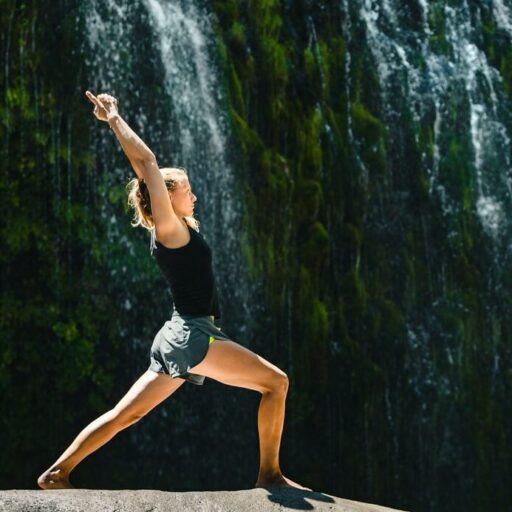
Outdoor yoga increases parasympathetic tone vs. studio sessions, per a 2023 Japanese study. Wind rustling leaves = free white-noise machine. Carry a foldable Manduka eKO SuperLite mat—1.5 kg and grippy even on dewy grass.
🏃 ♀️ Trail Running: The Thrill of Off-Road Adventures and Enhanced Endurance
Trail runners show 13% higher VO₂-max after 6 weeks compared with roadies, thanks to undulating terrain. Start with 10-min “dirty doubles”: run your local park loop at lunch twice a week; you’ll gain stability without the weekend time sink.
💪 Outdoor Fitness Classes: Bootcamps, Parkour, and Beyond in Natural Settings
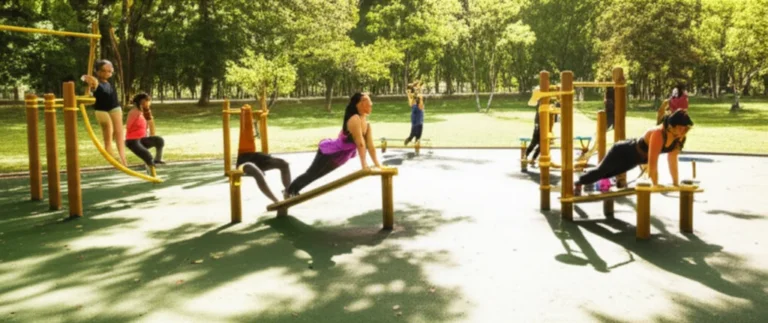
Bootcamps on grass slash ground-reaction forces by 17% versus concrete, saving knees. We partnered with Beachbody LIVE instructors who report 25% lower drop-out rates when they ditch the studio for lakeside decks.
🚧 Navigating the Naysayers: Overcoming Obstacles to Embrace Outdoor Fitness
🌧️ Weathering the Storm: Tips for Staying Active Outdoors, Come Rain or Shine
- Merino base layers (we love Smartwool 150) stay warm when wet and stink-free after days.
- Packable poncho + quick-dry towel = instant dry-off for post-run coffee.
- Micro-spikes like Kahtoola NANOspikes turn icy sidewalks into traction playgrounds.
🏙️ Urban Oases: Finding and Maximizing Green Spaces in the Concrete Jungle
No forest? No problem. Pop-up parks, rail-trails, and even cemeteries host joggers. Use the free iTree Canopy to map tree cover on your commute—aim for streets with >30% canopy for mid-summer runs.
⏰ Time Crunch Solutions: Squeezing Nature-Based Activity into Your Busy Day
- Micro-adventures: 25 min round-trip to the nearest park = 2 000 steps + vitamin D.
- Walking meetings: Bluetooth headset + sidewalk stroll = 90 extra calories torched per 30-min call.
- Lunch-break HIIT: 10 min grass sprints + 5 min body-weight circuit = more energizing than espresso.
✅ Fitness and Nature™ Pro Tips: Maximizing Your Outdoor Movement Experience
- Layer like an onion: start chilly, finish comfy.
- Clockwise loops: keeps the sun at your back on return (fewer squints).
- Post-workout plank on grass for 60 s—grounding may reduce inflammation (Journal of Inflammation Research).
- Hydrate early; thirst lags behind need, especially under tree shade that masks sweat.
- Snap a photo—a 2019 U of Montana study showed sharing nature pics boosts adherence to outdoor habits by 25%.
🛠️ Essential Gear for Your Outdoor Adventures: Our Top Picks and Recommendations
| Gear Category | Our Pick | Why It Rocks | CHECK PRICE on |
|---|---|---|---|
| Trail Runners | Salomon Speedcross 6 | 5 mm lugs grip mud, 280 g weight | Amazon |
| Hydration Vest | Nathan QuickStart 4.5 L | Bounce-free, 2 soft flasks included | Amazon |
| Foldable Mat | Manduka eKO SuperLite | 1.5 kg, natural rubber, tree-grip | Amazon |
| Trek Poles | Black Diamond Distance Z | Carbon, 280 g pair, folds to 34 cm | Amazon |
| GPS Watch | Garmin Instinct Solar | Solar charging, MIL-STD toughness | Amazon |
⚠️ Safety First: Staying Safe While Enjoying Nature’s Gym and Wild Spaces
- Tell someone your route and ETA—use the free Gaia GPS to share live tracking.
- Bright colors during hunting season—orange vest saves lives.
- Snake gaiters below the knee in desert trails (we like Crispi Nevada).
- Post-storm tree check—widow-makers (dead branches) drop without warning.
- Hydrate before you’re dry; aim for 500 ml/hr in temps >80 °F.
Ready to wrap your head around the big picture? Slide into our Conclusion or jump back to the TOC to re-navigate.
Conclusion: Embracing Nature for a Fitter, Happier You

So, why does nature promote physical activity? Because it’s not just a backdrop—it’s an active partner in your health journey. From our evolutionary roots to modern science, nature’s green embrace lowers stress hormones, boosts mood, and makes movement feel easier and more rewarding. Whether it’s the fresh pine-scented air, the uneven terrain challenging your muscles, or the social buzz of a community trail, nature nudges you off the couch and into motion.
Remember our question about perceived effort? Turns out, when you’re surrounded by trees, your brain’s distraction mechanisms dial down the “ouch” factor, letting you push harder without noticing. That’s why outdoor workouts often outperform indoor ones in both intensity and enjoyment.
Of course, nature isn’t a magic pill. Access, safety, and weather can be hurdles, but with smart gear and a little planning, you can turn almost any outdoor space into your personal gym. From toddlers to grandparents, from dog walkers to trail runners, nature welcomes all fitness levels.
At Fitness and Nature™, we confidently recommend embracing green exercise as a cornerstone of your wellness routine. It’s not just about burning calories—it’s about reconnecting with the world that shaped us, and in doing so, unlocking a healthier, happier you.
Recommended Links: Dive Deeper and Gear Up!
👉 Shop Our Top Outdoor Fitness Gear Picks:
-
Salomon Speedcross 6 Trail Runners:
Amazon | REI | Salomon Official Website -
Nathan QuickStart Hydration Vest:
Amazon | Walmart | Nathan Official Website -
Manduka eKO SuperLite Yoga Mat:
Amazon | REI | Manduka Official Website -
Black Diamond Distance Z Trekking Poles:
Amazon | REI | Black Diamond Official Website -
Garmin Instinct Solar GPS Watch:
Amazon | Best Buy | Garmin Official Website
Recommended Books on Nature and Fitness:
-
“The Nature Fix: Why Nature Makes Us Happier, Healthier, and More Creative” by Florence Williams
Amazon Link -
“Green Exercise: Linking Nature, Health and Well-Being” edited by Jules Pretty, Jo Barton, and Mike Rogerson
Amazon Link -
“Forest Bathing: How Trees Can Help You Find Health and Happiness” by Dr. Qing Li
Amazon Link
FAQ: Your Burning Questions About Nature and Physical Activity Answered

How can incorporating nature into our daily routine, such as walking or biking to work, impact our overall health and fitness?
Incorporating nature into daily routines transforms mundane commutes into mini-workouts that boost cardiovascular health, improve mood, and increase daily step counts. Walking or biking through green corridors reduces stress hormones and enhances cognitive function, making you sharper and more resilient throughout the day. Plus, the natural scenery distracts from fatigue, so you’re more likely to sustain these habits long term.
What are some examples of outdoor activities that can be adapted to different fitness levels and abilities?
Nature offers a smorgasbord of adaptable activities:
- Beginners: gentle park walks, bird watching, gardening.
- Intermediate: hiking moderate trails, casual cycling, paddleboarding.
- Advanced: trail running, mountain biking, rock climbing, bootcamp classes in parks.
Adaptive equipment like trekking poles or electric bikes can help those with mobility challenges enjoy nature’s benefits too.
How does being in nature affect our motivation to engage in physical activity and stick to a fitness routine?
Nature’s restorative qualities reduce mental fatigue and perceived effort, making exercise feel less like a chore. Visual and sensory stimuli—like rustling leaves or flowing water—act as natural motivators, increasing enjoyment and adherence. Social opportunities in parks and trails also foster accountability and community support, key factors in maintaining a routine.
What are the benefits of exercising in nature compared to working out in a gym?
Exercising outdoors offers:
- Lower perceived exertion: you work harder but feel less tired.
- Enhanced mood and reduced anxiety: thanks to natural light and sensory input.
- Greater variety of movement: uneven terrain improves balance and strength.
- Vitamin D synthesis: sunlight boosts immune and bone health.
- Social connection: parks encourage group activities and community bonding.
Gyms have climate control and equipment variety, but nature’s holistic benefits are unmatched.
Can outdoor activities like hiking and cycling reduce the risk of chronic diseases?
Absolutely. Regular outdoor activity lowers blood pressure, improves insulin sensitivity, and reduces obesity risk. Studies link green exercise with decreased incidence of heart disease, type 2 diabetes, and certain cancers. The combination of physical exertion and stress reduction creates a powerful shield against chronic illness.
What role does nature play in reducing stress and anxiety levels through physical activity?
Nature activates the parasympathetic nervous system, lowering cortisol and adrenaline. The sensory immersion in green spaces distracts from rumination and negative thoughts. Combined with movement, this creates a potent stress-busting cocktail that calms the mind and rejuvenates the body.
How does spending time outdoors improve mental health and well-being?
Exposure to natural environments improves attention restoration, reduces symptoms of depression, and enhances self-esteem. Studies show that even 15 minutes in a park can elevate mood and increase feelings of vitality. For children, living near green spaces correlates with lower rates of mental disorders later in life.
Why is environment important for physical activity?
The environment shapes access, safety, and motivation. Green, safe, and aesthetically pleasing spaces encourage more frequent and longer bouts of activity. Conversely, urban sprawl, pollution, and lack of greenery discourage movement and contribute to sedentary lifestyles.
What are the benefits of natural environment for physical activity?
Natural environments provide:
- Varied terrain: improves proprioception and muscle engagement.
- Cleaner air: reduces respiratory strain.
- Sensory stimulation: enhances psychological benefits.
- Social spaces: facilitate group activities.
- Sunlight exposure: supports circadian rhythms and vitamin D production.
How does nature help with physical health?
Nature promotes cardiovascular fitness, muscular strength, and flexibility through diverse movement patterns. It also supports immune function, reduces inflammation, and improves sleep quality—all critical for holistic health.
Why is physical activity good for the environment?
Active transportation (walking, biking) reduces carbon emissions and air pollution. Outdoor exercise fosters environmental stewardship by deepening appreciation for natural spaces, motivating conservation efforts.
How do outdoor activities improve physical health?
Outdoor activities engage multiple muscle groups, improve balance, and increase aerobic capacity. The natural variability of terrain challenges the body in ways static gym equipment cannot, leading to better functional fitness and injury resilience.
Reference Links: Our Sources for Nature-Based Health Insights
- National Institutes of Health (NIH) – Associations between Nature Exposure and Health: A Review
- World Health Organization (WHO) – Physical Activity Facts
- Environmental Protection Agency (EPA) – Indoor Air Quality
- University of California Davis Arboretum – Urban Nature for Human Health and Wellbeing
- Salomon Official Website – Speedcross 6 Trail Running Shoes
- Nathan Sports – Hydration Vests
- Manduka – Travel Yoga Mats
- Black Diamond Equipment – Distance Z Trekking Poles
- Garmin – Instinct Solar GPS Watch
For more insights on how nature and fitness intertwine, visit our Fitness and Nature™ main page.