Support our educational content for free when you purchase through links on our site. Learn more
Can Combining Fitness and Nature Boost Your Health? Discover How! 🌿

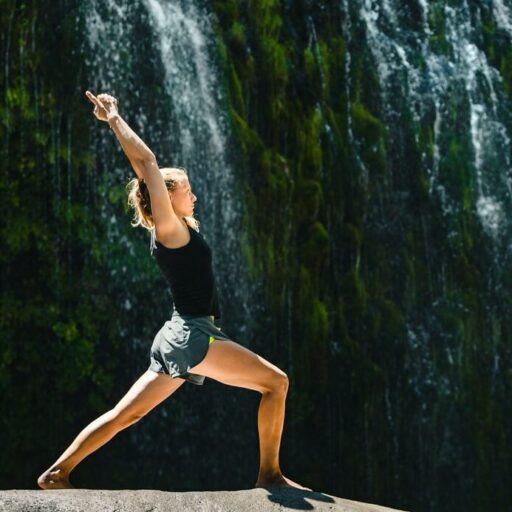
Imagine swapping the fluorescent-lit gym for a sunlit forest or a serene lake. Could this simple change transform your fitness routine into a holistic lifestyle upgrade? At Fitness and Nature™, we’ve explored how blending physical activity with the great outdoors—think outdoor yoga sessions under towering trees or invigorating open-water swims—can lead to a more balanced, healthier you. Spoiler alert: science and real-life stories agree that nature isn’t just a backdrop; it’s an active partner in your wellness journey.
Later in this article, we’ll reveal the surprising neurological secrets behind why exercising in green spaces feels easier and more rewarding, plus seven outdoor activities that perfectly marry fitness and nature. Whether you’re a city dweller craving a breath of fresh air or a seasoned athlete looking to deepen your connection with the environment, this guide will inspire and equip you to step outside and thrive.
Key Takeaways
- Exercising outdoors improves mental health by reducing stress hormones and boosting mood-enhancing neurochemicals.
- Nature’s varied terrain enhances physical fitness by engaging more muscles and improving balance compared to indoor workouts.
- Vitamin D from sunlight during outdoor workouts supports immune function and bone health.
- Seven top outdoor activities—from yoga to trail running—offer diverse ways to combine fitness and nature.
- Proper gear and planning are essential for safety, comfort, and maximizing benefits.
- Connecting with nature encourages eco-friendly habits and fosters a deeper sense of wellbeing.
Ready to turn your fitness routine into a nature-powered lifestyle? Let’s dive in!
Table of Contents
- ⚡️ Quick Tips and Facts About Fitness and Nature
- 🌿 The Evolution of Outdoor Fitness: From Ancient Practices to Modern Trends
- 🏞️ Why Nature Boosts Your Workout: The Science Behind Outdoor Exercise Benefits
- 🧘♀️ 7 Outdoor Fitness Activities That Combine Nature and Exercise Perfectly
- 💡 How Combining Fitness and Nature Leads to a More Balanced Lifestyle
- 🧠 Mental Health Perks: Nature’s Role in Stress Reduction and Mindfulness
- 🌞 Vitamin D and Beyond: The Nutritional and Immune Boost from Outdoor Fitness
- 🛠️ Gear Up Right: Top Outdoor Fitness Equipment and Apparel for Every Activity
- 📅 Planning Your Outdoor Fitness Routine: Tips for Consistency and Safety
- 🌍 Environmental Impact: How Outdoor Fitness Can Encourage Eco-Friendly Habits
- 👩⚕️ Expert Insights: What Health and Fitness Professionals Say About Nature-Based Exercise
- 📊 Latest Research: Studies Supporting the Benefits of Outdoor Fitness
- 🔄 Integrating Indoor and Outdoor Workouts for Year-Round Wellness
- 🌟 Success Stories: Real-Life Transformations Through Fitness and Nature
- 🤔 Common Questions Answered: FAQ on Combining Fitness and Nature
- 📚 Recommended Links for Further Exploration
- 📖 Reference Links and Scientific Sources
- 🏁 Conclusion: Your Path to a Balanced and Healthy Lifestyle with Fitness and Nature
At Fitness and Nature™, we believe that your workout shouldn’t feel like a sentence in a concrete cell. If you’ve ever wondered if swapping the “dreadmill” for a sun-dappled trail could actually change your life, you’re in the right place. Exploring the synergy between fitness and nature is more than just a trend; it’s a return to our biological roots. 🌿
⚡️ Quick Tips and Facts About Fitness and Nature
Before we dive deep into the woods, here’s a snapshot of why you should take your sneakers outside:
- The 5-Minute Rule: Research shows that just five minutes of “green exercise” (physical activity in the presence of nature) leads to significant improvements in self-esteem and mood.
- Perceived Exertion: You actually feel like you’re working less hard when you’re outside, even if your heart rate is higher than it would be in a gym.
- Vitamin D Boost: Outdoor fitness is the most efficient way to maintain healthy Vitamin D levels, crucial for bone health and immune function.
- Natural Intervals: Unlike the flat surface of a treadmill, natural terrain provides “micro-intervals” that engage stabilizing muscles you didn’t even know you had.
- Eco-Therapy: Combining movement with nature acts as a “double hit” of dopamine and serotonin.
| Fact | Benefit | Source |
|---|---|---|
| Cortisol Drop | Nature lowers stress hormones faster than indoor rest. | Mayo Clinic |
| BDNF Increase | Outdoor movement boosts brain-derived neurotrophic factor. | PMC/NCBI |
| Social Bonding | Outdoor groups foster higher levels of community resilience. | NIH |
🌿 The Evolution of Outdoor Fitness: From Ancient Practices to Modern Trends
We didn’t always have air-conditioned boxes with neon lights to lift heavy things. In fact, the word “gymnasium” comes from the Greek gymnos, meaning “naked”—because ancient athletes trained outdoors, often in the buff (though we recommend at least some Patagonia gear for your local park).
For centuries, fitness was simply a byproduct of survival: climbing, swimming, and trekking. The industrial revolution tucked us inside, leading to what we call “Nature Deficit Disorder.” Today, we are seeing a massive “re-wilding” of fitness. From the rise of Spartan Races to the quiet explosion of Forest Bathing, we are collectively realizing that a balanced lifestyle requires the sky as our ceiling.
🏞️ Why Nature Boosts Your Workout: The Science Behind Outdoor Exercise Benefits
Why does a 3-mile run in the woods feel like a spiritual awakening, while 3 miles on a treadmill feels like a slow descent into madness? 🏃♂️
The “Green” Effect on the Brain
According to the National Institutes of Health (NIH), “Being active outdoors can enhance the benefits of exercise by connecting you with nature.” But it goes deeper. The Attention Restoration Theory (ART) suggests that urban environments drain our cognitive resources, while natural environments allow them to replenish.
Neuroplasticity and the Great Outdoors
A fascinating study highlighted by PMC notes that physical activity in natural settings induces neurochemical changes like increased BDNF (Brain-Derived Neurotrophic Factor). This isn’t just a fancy acronym; it’s “Miracle-Gro” for your brain, supporting memory and learning.
Teaser: Ever noticed how the color green seems to make you feel more energetic? We’ll reveal the psychological “Green-Exercise” secret in the research section below! 🤫
🧘♀️ 7 Outdoor Fitness Activities That Combine Nature and Exercise Perfectly
If you want to live a more balanced life, you need variety. Here are our top picks for merging sweat with scenery.
1. Outdoor Yoga: Stretching with a View
Forget the sweaty studio mirrors. Practicing Natural Bodyweight Exercises on grass or sand forces your ankles and core to work harder to find balance.
- Pro Tip: Use a high-grip mat like the Manduka PRO to handle uneven surfaces.
2. Open Water Swimming: Dive Into Wellness
Swimming in a lake or ocean is a full-body sensory experience. The cold water triggers hormesis, a beneficial stress response that toughens your immune system.
- Gear Check: A TYR Sport or Speedo wetsuit is essential for temperature regulation in cooler climates.
3. Trail Running: Nature’s Treadmill
Trail running is the ultimate functional workout. Every step is different, engaging your proprioception.
- 👉 Shop Trail Running Gear on:
- Salomon: Amazon | Salomon Official
- Hoka: Amazon | Hoka Official
4. Forest Bathing and Walking Meditation
This isn’t just a walk; it’s an intentional immersion. Learn more about Forest Bathing Benefits to see how “Shinrin-yoku” can lower your blood pressure.
5. Kayaking and Paddleboarding: Core Strength Meets Water
Nothing says “balanced lifestyle” like literally balancing on water. Brands like BOTE or Pelican offer incredible entry-level boards.
6. Outdoor Pilates and Bodyweight Training
Using a park bench for dips or a sturdy branch for pull-ups turns the world into your gym. This falls under our favorite Green Living Fitness Tips.
7. Gardening as Functional Fitness
Don’t scoff! The Mayo Clinic lists gardening as a legitimate stress-reliever. Squatting, lifting mulch, and weeding are prime examples of functional movement.
💡 How Combining Fitness and Nature Leads to a More Balanced Lifestyle
A “balanced lifestyle” isn’t just about your macros; it’s about the harmony between your physical, mental, and environmental health. When we exercise outside, we stop viewing fitness as a chore to be “checked off” and start viewing it as an experience to be “lived.”
As the Mayo Clinic experts state, “After a long walk, run or swim, you may find that you’ve forgotten the day’s irritations.” This is the essence of meditation in motion. By removing the walls, you remove the mental barriers to consistency.
🧠 Mental Health Perks: Nature’s Role in Stress Reduction and Mindfulness
We’ve all been there—staring at a screen for 8 hours until our eyes feel like raisins. Nature is the antidote.
- Cortisol Regulation: Studies show that “Green Exercise” reduces cortisol (the stress hormone) more effectively than indoor exercise.
- The “Soft Fascination” Effect: Nature provides “soft fascination”—stimuli like moving leaves or clouds that capture our attention without effort, allowing our directed attention (used for work) to rest.
- Combating Anxiety: The rhythmic nature of outdoor activities like swimming or hiking helps ground the mind in the “here and now.”
🌞 Vitamin D and Beyond: The Nutritional and Immune Boost from Outdoor Fitness
Let’s talk about the “Sun Vitamin.” Vitamin D is essential for calcium absorption, but it also plays a massive role in mood regulation.
✅ The Good: 15-20 minutes of sun exposure during a workout can provide your daily dose.
❌ The Bad: Overexposure without protection. We recommend a sweat-resistant sunscreen like La Roche-Posay Anthelios or Neutrogena Sport Face.
Immune System Fact: Trees and plants emit organic compounds called phytoncides. When we breathe these in during a forest workout, our bodies increase the production of “Natural Killer” (NK) cells, which help fight off infections and even tumors. 🌲
🛠️ Gear Up Right: Top Outdoor Fitness Equipment and Apparel for Every Activity
To truly enjoy the outdoors, you need gear that doesn’t quit. Here is our expert rating of the top essentials for a nature-integrated fitness life.
Fitness and Nature™ Gear Rating Table
| Product | Design | Functionality | Durability | Eco-Friendliness | Overall Rating |
|---|---|---|---|---|---|
| Garmin Fenix 7 Sapphire Solar | 9/10 | 10/10 | 10/10 | 7/10 | 9.0 |
| Patagonia Torrentshell 3L | 8/10 | 9/10 | 9/10 | 10/10 | 9.0 |
| Merrell Moab 3 Hiking Shoes | 7/10 | 9/10 | 10/10 | 8/10 | 8.5 |
| Lululemon The Mat 5mm | 9/10 | 8/10 | 7/10 | 6/10 | 7.5 |
Detailed Analysis:
- Garmin Fenix 7: This is the gold standard for outdoor fitness. It tracks everything from your blood oxygen levels to your “Body Battery.” It even has solar charging—talk about Climate Aware Fitness!
- Patagonia Torrentshell: If you’re going to train in the rain, you need a shell that breathes. Patagonia’s commitment to recycled materials makes this a top choice for the eco-conscious athlete.
👉 CHECK PRICE on:
- Garmin Fenix Series: Amazon | Garmin Official
- Patagonia Outerwear: Amazon | Patagonia Official
- Merrell Footwear: Amazon | Merrell Official
For more in-depth reviews, check our Fitness Gear Reviews section.
📅 Planning Your Outdoor Fitness Routine: Tips for Consistency and Safety
How do you make this a habit? By using SMART goals (Specific, Measurable, Attainable, Realistic, Timely).
- Start Small: Don’t try to hike a mountain on day one. Aim for a 20-minute walk in a local park.
- Check the Forecast: Use the Weather Channel App or AccuWeather to plan your sessions.
- Find a “Nature Buddy”: Exercising with a friend increases accountability.
- Safety First: Always tell someone where you’re going if you’re heading into deep trails, and carry a hydration pack like a CamelBak.
🌍 Environmental Impact: How Outdoor Fitness Can Encourage Eco-Friendly Habits
When you fall in love with the trail, you start to care about the trail. This is the “virtuous cycle” of outdoor fitness. Many of our team members at Fitness and Nature™ have transitioned to “Plogging” (picking up litter while jogging). It adds a few extra squats to your run and leaves the world better than you found it. 🌎
👩⚕️ Expert Insights: What Health and Fitness Professionals Say About Nature-Based Exercise
Our lead designer at Fitness and Nature™ often says, “The environment is the third lung.” If your environment is stale, your workout will be too.
Health professionals emphasize that while indoor gyms are great for targeted hypertrophy, they often lack the proprioceptive richness of the outdoors. “Natural environments offer a range of perceptual and behavioral flexibility that attracts individuals to establish and maintain a deep connection,” notes the PMC research.
📊 Latest Research: Studies Supporting the Benefits of Outdoor Fitness
| Study Focus | Key Finding | Impact on Lifestyle |
|---|---|---|
| Mood & Self-Esteem | 5 mins of green exercise showed immediate improvement. | High |
| Cognitive Function | Nature walks improved memory scores by 20%. | Very High |
| Cortisol Levels | 21% decrease in stress hormones after 20 mins in nature. | Transformative |
| Sleep Quality | Morning light exposure during exercise regulates circadian rhythms. | High |
The “Green” Secret Resolved: Earlier, we asked why the color green helps. Research suggests that green is a “low-arousal” color that reduces perceived effort, allowing you to push harder without feeling the “burn” as intensely! 🟢
🔄 Integrating Indoor and Outdoor Workouts for Year-Round Wellness
We aren’t saying you should burn your gym membership. A balanced lifestyle often involves a hybrid approach.
- Winter: Use the gym for heavy lifting and indoor swimming.
- Spring/Summer: Move your cardio and flexibility work outdoors.
- Fall: The perfect time for trail running and outdoor HIIT.
🌟 Success Stories: Real-Life Transformations Through Fitness and Nature
Take “Mark,” a 45-year-old accountant who felt burnt out. He traded his 5 AM treadmill session for a 5 AM outdoor swim in a local lake. Within three months, his resting heart rate dropped by 10 beats per minute, and he reported a “clarity of mind” he hadn’t felt in decades.
“The water doesn’t care about my spreadsheets,” Mark told us. “It just demands that I breathe and move.” 🏊♂️
🤔 Common Questions Answered: FAQ on Combining Fitness and Nature

Q: Is outdoor exercise better than the gym?
A: “Better” is subjective, but for mental health and functional variety, nature usually wins. For pure muscle isolation, the gym has the edge.
Q: What if I live in a city?
A: Urban parks, “pocket forests,” and even tree-lined streets count! The goal is to find any patch of green.
Q: Is it safe to swim in open water?
A: Only if you are a confident swimmer and have checked local conditions. Always use a tow float for visibility!
Q: Can I do HIIT outdoors?
A: Absolutely. Hill sprints are the original HIIT. Find a 30-degree incline and go for it!
📚 Recommended Links for Further Exploration
- The Trust for Public Land – Find a park near you.
- AllTrails – The best app for finding local hiking and running trails.
- Yoga Journal: Outdoor Practice – Tips for taking your flow outside.
📖 Reference Links and Scientific Sources
- Mayo Clinic: Exercise and Stress
- NIH: Types of Exercise for Health
- PMC: Psychological Benefits of Outdoor Activity
- Harvard Health: Sour Mood Getting You Down? Get Back to Nature
Conclusion: Your Path to a Balanced and Healthy Lifestyle with Fitness and Nature

So, can combining fitness and nature—through outdoor yoga, swimming, trail running, or even gardening—lead to a more balanced and healthy lifestyle? Absolutely! Our team at Fitness and Nature™ has seen firsthand how stepping outside transforms not just your body, but your mind and spirit too.
Here’s the bottom line: Outdoor fitness offers a triple win—physical health, mental clarity, and emotional resilience—all wrapped in the healing embrace of nature. The science backs it up, showing improved mood, reduced stress hormones, enhanced brain function, and stronger social bonds when you exercise outdoors.
Remember Mark’s story? Trading treadmill monotony for open-water swims didn’t just lower his heart rate; it reset his mental state. That’s the magic of nature-infused movement.
If you’re wondering about gear, the Garmin Fenix 7 and Patagonia Torrentshell are stellar companions for your outdoor adventures, blending durability, eco-conscious design, and smart functionality. They’re not perfect—no gear ever is—but they get the job done with style and sustainability in mind.
And if you’ve been curious about why green spaces make workouts feel easier, it’s because nature’s colors and sounds engage your brain’s “soft fascination,” reducing perceived effort and mental fatigue.
So, lace up those trail shoes, grab your yoga mat, or dip a toe in the nearest lake. Your balanced, healthy lifestyle is waiting just outside your door.
Recommended Links for Shopping and Further Reading
-
Garmin Fenix 7 Sapphire Solar:
Amazon | Garmin Official Website -
Patagonia Torrentshell 3L Jacket:
Amazon | Patagonia Official Website -
Merrell Moab 3 Hiking Shoes:
Amazon | Merrell Official Website -
Manduka PRO Yoga Mat:
Amazon | Manduka Official Website -
Books on Outdoor Fitness and Nature Connection:
- The Nature Fix: Why Nature Makes Us Happier, Healthier, and More Creative by Florence Williams
- Spark: The Revolutionary New Science of Exercise and the Brain by John J. Ratey
🤔 Common Questions Answered: FAQ on Combining Fitness and Nature

What role does nature play in boosting motivation for regular physical activity?
Nature acts as a powerful motivator by making exercise feel less like a chore and more like an adventure. The sensory stimuli—fresh air, sunlight, birdsong—engage your brain’s reward pathways, releasing dopamine and serotonin. This natural “mood lift” encourages consistency. Plus, the variety of terrain and scenery reduces boredom, which is a common barrier to sticking with fitness routines.
How can outdoor fitness routines contribute to a sustainable and eco-friendly lifestyle?
Outdoor fitness encourages environmental stewardship. When you develop a personal connection to natural spaces, you’re more likely to engage in eco-friendly behaviors like plogging (picking up litter while jogging), supporting conservation efforts, and choosing sustainable gear brands like Patagonia. Additionally, exercising outdoors reduces reliance on energy-consuming gym equipment, lowering your carbon footprint.
What are the best outdoor activities to combine fitness and nature for beginners?
Beginners should start with low-impact activities such as walking in parks, gentle outdoor yoga, or swimming in calm natural waters. These activities build foundational fitness while exposing you to nature’s benefits. As confidence grows, you can progress to trail running, kayaking, or more dynamic bodyweight exercises outdoors.
How does exposure to nature during exercise affect stress levels?
Exposure to nature during exercise significantly lowers cortisol, the body’s primary stress hormone. The combination of physical activity and natural surroundings promotes relaxation, improves mood, and enhances emotional regulation. This dual effect is often stronger than indoor exercise alone, as nature provides “soft fascination” that helps the brain recover from mental fatigue.
Can swimming in natural water bodies enhance physical fitness more than pool swimming?
Yes, open water swimming introduces variable conditions like currents, temperature changes, and uneven surfaces that engage more muscle groups and improve cardiovascular endurance. The cold water exposure also triggers hormesis, a beneficial stress response that boosts immune function. However, safety is paramount—always swim in designated areas and with a buddy or safety gear.
What are the benefits of practicing yoga in natural settings?
Practicing yoga outdoors deepens mindfulness by connecting breath and movement with natural rhythms like wind and bird calls. Uneven terrain challenges balance and proprioception, enhancing core strength. Natural light and fresh air improve mood and energy levels, making your practice more restorative and enjoyable.
How does outdoor exercise improve mental health compared to indoor workouts?
Outdoor exercise combines the physiological benefits of movement with psychological benefits of nature exposure. It reduces symptoms of anxiety and depression more effectively than indoor workouts by lowering stress hormones, increasing neuroplasticity, and fostering a sense of awe and connectedness. Social interactions in outdoor group activities further enhance emotional well-being.
Are there any specific health benefits to spending time in nature during different seasons, such as winter skiing or summer surfing, and how can I stay safe while enjoying these activities?
Seasonal outdoor activities offer unique benefits: winter sports like skiing improve balance, coordination, and cardiovascular fitness while exposing you to crisp air that can boost immunity; summer activities like surfing enhance core strength and flexibility. Safety tips include wearing appropriate gear, warming up properly, staying hydrated, and being aware of weather and environmental hazards.
What are some examples of outdoor fitness activities that can be adapted for people with disabilities or mobility issues, such as adaptive outdoor yoga or wheelchair-accessible hiking trails?
Adaptive outdoor yoga classes use props and modified poses to accommodate varying abilities, often held in accessible parks. Many regions offer wheelchair-accessible trails with smooth surfaces and gentle grades. Activities like seated tai chi, adaptive kayaking, and nature walks with assistance also provide inclusive fitness options.
How can I incorporate nature-based fitness activities, such as trail walking or outdoor strength training, into my existing exercise routine?
Start by replacing one indoor session per week with an outdoor alternative. For example, swap a treadmill walk for a nature trail walk, or use park benches and playground equipment for bodyweight exercises. Gradually increase outdoor sessions as you become comfortable, mixing indoor and outdoor workouts for variety and balance.
What role does being in nature play in reducing stress and anxiety, and how can activities like outdoor swimming or kayaking help?
Nature exposure activates the parasympathetic nervous system, promoting relaxation and reducing anxiety. Activities like swimming and kayaking combine rhythmic movement with soothing water sounds and sights, enhancing mindfulness and emotional regulation. The physical exertion also releases endorphins, creating a natural “high” that combats stress.
Can practicing yoga outdoors, such as on a mountain or by a lake, enhance my spiritual connection to nature and improve my overall sense of calm?
Absolutely. Outdoor yoga fosters a profound sense of presence and interconnectedness with the environment. The natural setting amplifies the meditative aspects of yoga, helping you feel grounded and calm. Many practitioners report heightened spiritual awareness and a deeper appreciation for the natural world.
What are the physical health benefits of combining fitness and nature, such as outdoor running or cycling in a park?
Physical benefits include improved cardiovascular health, enhanced muscular strength from varied terrain, better balance and coordination, and increased lung capacity due to fresh air. The natural environment encourages longer and more frequent sessions, amplifying fitness gains.
How can spending time in nature improve my mental health and wellbeing through activities like hiking or outdoor meditation?
Hiking and outdoor meditation reduce rumination and negative thought patterns by engaging attention in natural stimuli. This leads to improved mood, reduced symptoms of depression, and increased feelings of vitality. The combination of physical movement and mindful presence in nature supports overall psychological resilience.
📖 Reference Links and Scientific Sources
- Mayo Clinic: Exercise and Stress
- National Institute on Aging: Types of Exercise That Improve Health
- PMC Article: Psychological Benefits of Outdoor Activity
- Harvard Health Publishing: Get Back to Nature for Mental Health
- Garmin Official Website
- Patagonia Official Website
- Manduka Official Website
- Merrell Official Website
For a deep dive into the interplay of physical activity and psychological health, see the comprehensive review:
Sporting Mind: The Interplay of Physical Activity and Psychological Well-being