Support our educational content for free when you purchase through links on our site. Learn more
🌿 Yes! Nature + Fitness = A Balanced Life (2026)


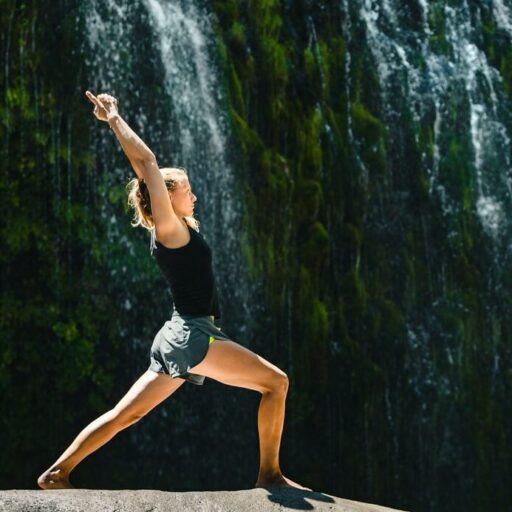
The answer is a resounding yes: combining fitness with nature, such as through outdoor yoga or swimming, creates a profound synergy that leads to a significantly more balanced and healthy lifestyle. When you ask, “Can combining fitness and nature, such as through outdoor yoga or swimming, lead to a more balanced and healthy lifestyle?” the science and our collective experience at Fitness and Nature™ confirm that the environment acts as a powerful catalyst for both physical and mental well-being.
Imagine swapping your treadmill’s hum for the rhythmic crash of ocean waves or trading a sterile studio mirror for the dappled light of a forest canopy. One of our team members recently tried a sunrise swim in a local lake; she reported feeling a “mental reset” within minutes that no indoor cardio session had ever achieved. Studies suggest that just five minutes of green exercise can dramatically boost self-esteem and mood, proving that the setting is just as important as the sweat.
This isn’t just about burning calories; it’s about engaging your entire nervous system in a way that indoor walls simply cannot replicate.
Key Takeaways
- Synergistic Benefits: Exercising in nature lowers perceived exertion, meaning you can work harder while feeling less tired compared to indoor workouts.
- Mental Clarity: Exposure to natural elements like trees and water significantly reduces cortisol levels and restores attention spans through Attention Restoration Theory.
- Immune System Boost: Breathing in phytoncides released by plants while moving increases the activity of Natural Killer (NK) cells, strengthening your body’s defense against illness.
- Holistic Balance: Combining movement with the sensory richness of the outdoors addresses mental, emotional, and physical health simultaneously, fostering a deeper sense of well-being.
Table of Contents
- ⚡️ Quick Tips and Facts
- 🌿 From Stone Age Survival to Modern Wellness: The Evolution of Green Exercise
- 🧘 ♀️ Why Your Living Room Yoga Mat Can’t Compete with the Great Outdoors
- 🌊 The Ultimate Guide to Outdoor Swimming: Cold Water, Clear Minds, and Stronger Hearts
- 🌲 Boosting Immunity and Reducing Stress: The Science Behind Forest Bathing and Movement
- 🧠 Nature’s Secret Weapon: How Fresh Air Supercharges Motivation and Mental Clarity
- 🚴 ♂️ Pedaling Through Paradise: Maximizing Bike Rides for Physical and Emotional Revitalization
- 🏋️ ♀️ Amping Up Your Workout: Creative Outdoor Challenges Beyond the Gym Walls
- 🌱 Designing Your Personal Green Fitness Regimen: A Step-by-Step Blueprint
- 📊 The Future of Fitness: Why Gyms and Studios Are Taking Their Business Outside
- 🛠️ Gear Up: Essential Equipment for Safe and Effective Outdoor Training
- 🚨 Safety First: Navigating Weather, Terrain, and Wildlife While Exercising Outside
- 📈 Measuring Your Progress: Tracking Mental and Physical Gains from Nature-Based Workouts
- 🏆 Conclusion
- 🔗 Recommended Links
- ❓ FAQ: Your Burning Questions About Outdoor Fitness Answered
- 📚 Reference Links
⚡️ Quick Tips and Facts
Before we lace up our hiking boots or roll out that yoga mat on the grass, let’s hit the rewind button on a few myths and fast-track some truths. You might think you need a state-of-the-art treadmill to get a killer workout, but nature is the ultimate gym, and it’s been open 24/7 since the dawn of time.
Here is the lowdown on why swapping your air-conditioned studio for a breezy park bench is the smartest move you’ll make this year:
- The “Natural High” is Real: Exercising outdoors doesn’t just burn calories; it triggers a unique release of endorphins and dopamine that indoor workouts often miss. A study in Environmental Science & Technology showed that just 5 minutes of green exercise can significantly boost self-esteem and mood.
- Vitamin D is Your Secret Weapon: Sunlight isn’t just for tanning. It’s crucial for bone health and immune function. While you can’t get this from a fluorescent-lit gym, a 20-minute session in the park covers a massive chunk of your daily requirement.
- Perceived Exertion Drops: Ever notice how a 5-mile run feels shorter when you’re watching a sunset? That’s because green environments lower perceived exertion. You work harder without feeling like you’re suffering.
- Immunity Boost: Breathing in phytoncides (natural oils released by trees) while moving your body can increase your Natural Killer (NK) cell activity, helping your body fight off viruses and cancer cells.
- No Equipment? No Problem: Nature provides the resistance. Uneven terrain, gravity, and wind are your new training partners.
Ready to see how went from couch potatoes to nature junkies? Keep reading to find out why your living room mat is holding you back.
🌿 From Stone Age Survival to Modern Wellness: The Evolution of Green Exercise
Let’s take a trip back in time, shall we? Before the invention of the elliptical machine or the concept of “gym memberships,” our ancestors didn’t have a choice about where they exercised. They had to hunt, gather, climb, and run to survive. Their fitness was inextricably linked to the environment.
Fast forward to the 20th century, and we built walls. We sealed ourselves in climate-controlled boxes, staring at screens while running on belts that moved beneath us. It was efficient, sure, but it stripped away the sensory richness of movement. We traded the smell of pine for the smell of rubber mats.
But now, the pendulum is swinging back. We are realizing that green exercise—physical activity performed in the presence of nature—isn’t just a trend; it’s a return to our biological roots.
Why the Shift Matters
At Fitness and Nature™, we’ve seen clients transform not just their bodies, but their entire outlook on life once they moved their workouts outside. The shift from indoor to outdoor isn’t just about scenery; it’s about neurological reprogramming.
“Being in nature often brings a sense of tranquility and connectedness to the environment, promoting overall well-being.” — Holly Roser Fitness
When we exercise in nature, we engage all five senses. The crunch of gravel underfoot, the rustle of leaves, the cool breeze on your skin—these sensory inputs reduce cognitive fatigue and restore our attention spans. It’s a phenomenon known as Attention Restoration Theory (ART).
The Modern Disconnect
Why do we feel so drained after a gym session sometimes? It’s often because we are fighting against the environment rather than flowing with it. Indoor gyms can feel sterile and isolating. In contrast, nature offers biophilic design by default.
- Indoor: Static air, artificial light, repetitive motion.
- Outdoor: Fresh air, natural light, variable terrain, unpredictable elements.
This variability forces your body to engage stabilizer muscles you didn’t even know you had. You aren’t just lifting weights; you’re balancing on a log, navigating a trail, or swimming against a current.
For more on how we integrate these ancient principles into modern routines, check out our deep dive into Fitness and Nature.
🧘 ♀️ Why Your Living Room Yoga Mat Can’t Compete with the Great Outdoors
We love a good home workout. There’s nothing like the privacy of your living room, especially when you’re wearing sweatpants that have seen better days. But let’s be honest: your living room yoga mat is missing something vital.
It’s missing the wind. It’s missing the ground. It’s missing the sky.
The Sensory Gap
When you practice yoga indoors, you are often confined to a 10×10 foot square. Your gaze is fixed on a wall or a mirror. When you step outside, your field of vision expands to the horizon. This simple change in perspective can lower blood pressure and reduce cortisol levels almost immediately.
A Tale of Two Sun Salutations
- Scenario A (Indors): You roll out your mat. The AC is blasting. You focus on your form, but your mind wanders to the laundry pile in the corner. You finish feeling accomplished but slightly stiff.
- Scenario B (Outdoors): You find a patch of grass near a tree. The sun warms your back. You breathe in the scent of damp earth. As you move into Downward Dog, a bird chirps, and you instinctively sync your breath with the rhythm of the wind. You finish feeling grounded and energized.
The Grounding Effect
There’s a concept called earthing or grounding, which suggests that direct contact with the earth’s surface can reduce inflammation and improve sleep. While the science is still evolving, the anecdotal evidence from our community is overwhelming.
“Yoga and Tai Chi are highlighted as mind-body practices that incorporate meditative elements, promoting inner peace, mindfulness, and a deeper connection to oneself, which can be amplified when practiced outdoors.” — Holly Roser Fitness
Choosing the Right Spot
Not all outdoor yoga spots are created equal. You need a surface that offers stability but isn’t too hard on your joints.
- Grass: Soft, natural, but can be uneven.
- Sand: Great for balance and core engagement, but can be hot and unstable.
- Paved Paths: Good for flow, but hard on the knees.
Pro Tip: Bring a high-quality, non-slip mat that can handle the elements. Brands like Manduka and Lulemon offer mats specifically designed for outdoor durability.
For more on natural movement, explore our guide on Natural Bodyweight Exercises.
🌊 The Ultimate Guide to Outdoor Swimming: Cold Water, Clear Minds, and Stronger Hearts
If you think swimming is just about laps in a chlorinated pool, think again. Open water swimming is a different beast entirely. It’s raw, it’s invigorating, and it’s one of the most complete workouts you can do.
The Cold Water Shock (The Good Kind)
Jumping into a lake or the ocean can feel like a shock to the system. But this cold water immersion triggers a cascade of physiological responses:
- Increased Heart Rate: Your heart works harder to maintain body temperature.
- Deep Breathing: You naturally take deeper, more controlled breaths.
- Endorphin Rush: The cold triggers a massive release of feel-good chemicals.
Safety First
Before you cannonball into the nearest pond, remember: Nature is not a pool. There are no lifeguards, no lane markers, and the currents can be unpredictable.
- Never swim alone.
- Check water quality and weather conditions.
- Wear a bright swim cap and a tow float for visibility.
The Mental Clarity
Many swimmers report a state of “flow” that is hard to achieve indoors. The rhythmic sound of waves and the lack of visual distractions allow the mind to clear. It’s essentially meditation in motion.
Comparison: Pool vs. Open Water
| Feature | Indoor Pool | Open Water (Lake/Ocean) |
|---|---|---|
| Temperature | Controlled (usually 78-82°F) | Variable (can be cold!) |
| Resistance | Consistent | Variable (currents, waves) |
| Visibility | Clear, marked lanes | Limited, need to sight |
| Mental State | Repetitive, focused on form | Immersive, meditative |
| Sensory Input | Chlorine smell, echo | Fresh air, nature sounds |
| Safety | Lifeguards present | Self-responsibility |
Gear Up for the Wild
You can’t just use your old goggles. You need gear that handles the elements.
- Wetsuits: Essential for cold water to prevent hypothermia. Brands like Rip Curl and Xcel make excellent options.
- Goggles: Look for anti-fog and UV protection. Speedo and Arena have great models for open water.
- Swim Cap: Silicone caps are durable and warm.
👉 CHECK PRICE on:
- Rip Curl Wetsuits: Amazon | Rip Curl Official
- Speedo Open Water Goggles: Amazon | Speedo Official
For more on staying safe and active in different climates, read our Climate Aware Fitness guide.
🌲 Boosting Immunity and Reducing Stress: The Science Behind Forest Bathing and Movement
You’ve probably heard of Shinrin-yoku, or Forest Bathing. It’s a Japanese practice of immersing yourself in the forest atmosphere. But what happens when you combine this with movement?
The Phytoncide Effect
Trees release natural oils called phytoncides to protect themselves from roting and insects. When we breathe these in, our bodies respond by increasing the number and activity of Natural Killer (NK) cells. These cells are part of our immune system and are crucial for fighting off viruses and tumors.
A study published in Environmental Health and Preventive Medicine found that participants who walked in a forest had significantly higher NK cell activity compared to those who walked in the city.
Cortisol and the Green Zone
Stress is the silent killer of modern life. It raises cortisol, which can lead to weight gain, heart disease, and anxiety.
- Indoor Exercise: Can sometimes increase stress if the environment is too intense or crowded.
- Outdoor Exercise: The green environment acts as a buffer, lowering cortisol levels even during high-intensity workouts.
The Synergy of Movement and Nature
When you walk, hike, or jog through a forest, you aren’t just getting the benefits of exercise or the benefits of nature. You are getting a synergistic effect. The movement helps circulate the phytoncides through your body, while the nature calms your nervous system.
“Outdoor natural environments may provide some of the best all-around health benefits by increasing physical activity levels with lower levels of perceived exertion.” — Prism Fitness Group
Practical Application
You don’t need a deep forest to get these benefits. A local park with mature trees works wonders.
- Find a green space.
- Leave your phone behind (or put it on silent).
- Walk slowly and focus on your senses.
- Breathe deeply through your nose.
For a deeper dive into the science, check out our Forest Bathing Benefits category.
🧠 Nature’s Secret Weapon: How Fresh Air Supercharges Motivation and Mental Clarity
Why do we dread the treadmill but love the trail? It’s not just the view. It’s the psychological reset that nature provides.
The Motivation Gap
Indoor workouts often rely on willpower. You have to force yourself to go. Outdoor workouts rely on curiosity. You want to see what’s around the next bend, or how far you can get to that tree.
Mental Fatigue vs. Restoration
Our brains get tired from constant decision-making and screen time. This is called directed attention fatigue. Nature provides soft fascination—things that capture our attention without effort (like clouds moving or leaves rustling). This allows our brain to rest and recharge.
The “Green” Boost
Research shows that people who exercise in green spaces report:
- Higher feelings of vitality.
- Lower feelings of tension and confusion.
- Greater satisfaction with the workout.
Overcoming the “I Don’t Have Time” Excuse
One of the biggest barriers to fitness is time. But outdoor exercise can actually save time.
- No commute: Your “gym” is outside your door.
- No setup: No need to change clothes or wait for a machine.
- Higher intensity: You often work harder without realizing it, so you can finish faster.
“Embracing a holistic approach to fitness can lead to a more balanced, fulfilling, and healthy life.” — Holly Roser Fitness
If you’re struggling to find the motivation, try our Green Living Fitness Tips for inspiration.
🚴 ♂️ Pedaling Through Paradise: Maximizing Bike Rides for Physical and Emotional Revitalization
Cycling is one of the most efficient ways to combine fitness and nature. It covers more ground than running, allowing you to explore further, while the seated position reduces impact on your joints.
The Cardiovascular Advantage
Cycling is a fantastic aerobic exercise that strengthens the heart and lungs. When you add hills and wind resistance, you turn it into a full-body workout.
Exploring the Unknown
One of the best parts of outdoor cycling is the sense of adventure. You can discover new trails, parks, and neighborhoods. This exploration keeps the brain engaged and prevents boredom.
Safety on the Road and Trail
- Road Cycling: Always wear a helmet, use lights, and follow traffic rules.
- Mountain Biking: Wear protective gear, know your limits, and respect trail etiquette.
Gear Recommendations
- Bikes: Brands like Trek, Specialized, and Giant offer excellent options for all terrains.
- Helmets: Giro and Bell are industry leaders in safety.
- Apparel: Pearl Izumi and Castelli provide breathable, moisture-wicking clothing.
👉 Shop Bikes on:
- Trek Bikes: Amazon | Trek Official
- Specialized Bikes: Amazon | Specialized Official
🏋️ ♀️ Amping Up Your Workout: Creative Outdoor Challenges Beyond the Gym Walls
Who needs a gym when you have a park? Here are some creative ways to amp up your outdoor workout:
1. The Park Bench Workout
- Tricep Dips: Use a sturdy bench.
- Step-Ups: Alternate legs for a cardio burst.
- Incline Push-Ups: Hands on the bench, feet on the ground.
2. The Trail Run
- Find a trail with varying elevations.
- Use the terrain to engage your core and stabilizers.
- Tip: Look for trails with roots and rocks to challenge your balance.
3. The Sand Sprint
- Find a beach or sandy area.
- Sprint for 30 seconds, walk back for recovery.
- The sand provides extra resistance, making every step count.
4. The Obstacle Course
- Use logs, rocks, and hills to create your own obstacle course.
- Jump over logs, crawl under branches, and climb hills.
Equipment for Outdoor Challenges
- Agility Ladders: Great for speed and coordination.
- Resistance Bands: Perfect for adding resistance to bodyweight exercises.
- Medicine Balls: Use for tosses and slams on soft ground.
👉 CHECK PRICE on:
- Smart Modular Agility Ladder: Amazon | Brand Official
- Resistance Bands: Amazon | Brand Official
For more ideas, check out our Natural Bodyweight Exercises section.
🌱 Designing Your Personal Green Fitness Regimen: A Step-by-Step Blueprint
Ready to make the switch? Here’s how to build a routine that sticks.
Step 1: Assess Your Goals
- Weight Loss: Focus on high-intensity interval training (HIT) in nature.
- Stress Relief: Prioritize yoga, walking, or swimming.
- Strength: Use bodyweight exercises and natural obstacles.
Step 2: Choose Your Activities
Mix and match based on your interests:
- Morning: Yoga or stretching in the park.
- Afternoon: Running or cycling.
- Evening: Hiking or forest bathing.
Step 3: Plan Your Route
- Map out your routes in advance.
- Check the weather and trail conditions.
- Have a backup plan (e.g., a nearby park if your favorite trail is closed).
Step 4: Gear Up
- Invest in quality footwear and clothing.
- Bring water, snacks, and a first aid kit.
- Don’t forget sunscreen and bug spray!
Step 5: Track Your Progress
- Use a fitness tracker or app to monitor your heart rate and distance.
- Keep a journal to note how you feel after each workout.
For more on tracking your progress, see our Fitness Gear Reviews for the best tools.
📊 The Future of Fitness: Why Gyms and Studios Are Taking Their Business Outside
The fitness industry is evolving. Gyms are no longer just indoor boxes; they are expanding into the great outdoors.
The Rise of Outdoor Studios
Many studios now offer outdoor classes in parks, on beaches, and in forests. This trend is driven by:
- Demand for fresh air: People want to escape the confines of indoor spaces.
- Community building: Outdoor classes foster a stronger sense of community.
- Cost-effectiveness: No need for expensive equipment or rent.
The Business Case
For gym owners, moving outside can be a game-changer. It opens up new revenue streams and attracts a wider audience.
The Challenge
However, there are challenges:
- Weather dependence: Rain or snow cancel classes.
- Permits: You may need permits to use public spaces.
- Liability: Outdoor environments come with higher risks.
Despite these challenges, the trend is growing. More gyms are embracing the green fitness model.
For insights on the industry, read our Climate Aware Fitness analysis.
🛠️ Gear Up: Essential Equipment for Safe and Effective Outdoor Training
You don’t need a lot of gear, but the right equipment makes a huge difference.
Footwear
- Trail Running Shoes: Essential for uneven terrain. Brands like Salomon and Altra are top choices.
- Water Shoes: Perfect for swimming and beach workouts. Teva and Ken offer great options.
Clothing
- Moisture-Wicking Fabrics: Keep you dry and comfortable. Under Armour and Nike are reliable.
- Layering: Dress in layers to adapt to changing temperatures.
Accessories
- Hydration Pack: Hands-free water storage. CamelBak is a leader in this space.
- Sun Protection: Hats, sunglasses, and sunscreen. Oakley and Sun Bum are great brands.
👉 CHECK PRICE on:
- Salomon Trail Shoes: Amazon | Salomon Official
- CamelBak Hydration Pack: Amazon | CamelBak Official
🚨 Safety First: Navigating Weather, Terrain, and Wildlife While Exercising Outside
Nature is beautiful, but it can be unpredictable. Here’s how to stay safe.
Weather Awareness
- Check the forecast: Always know what’s coming.
- Dress appropriately: Avoid cotton; opt for synthetic or wool.
- Hydrate: Drink water before, during, and after your workout.
Terrain Navigation
- Know your limits: Don’t attempt a trail that’s too difficult.
- Watch your step: Uneven terrain can lead to injuries.
- Use a map: Don’t rely solely on your phone.
Wildlife Encounters
- Stay calm: Most animals will avoid you.
- Make noise: Let animals know you’re there.
- Cary bear spray: If you’re in bear country.
Emergency Preparedness
- Tell someone: Let a friend know your route and expected return time.
- Cary a first aid kit: Include bandages, antiseptic, and pain relievers.
- Have a plan: Know what to do in case of an emergency.
For more safety tips, visit our Green Living Fitness Tips section.
📈 Measuring Your Progress: Tracking Mental and Physical Gains from Nature-Based Workouts
How do you know if your outdoor workouts are working? It’s not just about the number on the scale.
Physical Metrics
- Endurance: Can you run further or longer?
- Strength: Are you able to do more push-ups or pull-ups?
- Flexibility: Are you able touch your toes more easily?
Mental Metrics
- Mood: Do you feel happier and less stressed?
- Focus: Are you able to concentrate better?
- Sleep: Are you sleeping deeper and waking up refreshed?
Tracking Tools
- Fitness Apps: Use apps like Strava or Garmin Connect to track your runs and rides.
- Journaling: Write down how you feel after each workout.
- Mood Scales: Rate your stress and energy levels on a scale of 1-10.
Remember, the goal is holistic health, not just physical fitness.
For more on tracking, check out our Fitness Gear Reviews for the best apps and devices.