Support our educational content for free when you purchase through links on our site. Learn more
16 Amazing Examples of Fitness in Nature You Can Try Today! 🌿

Have you ever wondered how fitness looks when it’s not confined to a gym or a treadmill? Nature offers an incredible, dynamic playground for your body and mind to thrive—and it’s been doing so long before modern exercise trends emerged. From hiking rugged trails to the mindful practice of forest bathing, the outdoors provides countless ways to get fit while reconnecting with the earth.
In this article, we’ll take you on a wild adventure through 16 thrilling examples of fitness in nature that cater to every level and interest. Whether you crave adrenaline-pumping mountain biking or the calming flow of outdoor yoga, we’ve got you covered. Plus, we’ll share expert tips on how to start your journey, essential gear recommendations, and safety hacks to keep you confident and prepared. Ready to unleash your inner wild? Let’s dive in!
Key Takeaways
- Fitness in nature combines physical, mental, and emotional well-being by engaging your whole body and senses in diverse outdoor environments.
- Activities like trail running, kayaking, rock climbing, and forest bathing offer unique benefits that indoor workouts can’t replicate.
- Starting your nature fitness journey is easy with realistic goals, proper gear, and safety awareness.
- Even urban dwellers can tap into green spaces, parks, and waterways to enjoy the perks of outdoor fitness.
- Practicing sustainable and respectful outdoor habits ensures these natural gyms remain vibrant for generations to come.
Ready to transform your fitness routine and embrace the wild? Keep reading to discover how nature can be your ultimate gym!
Table of Contents
- ⚡️ Quick Tips and Facts: Your Gateway to Green Exercise
- 🌿 Unearthing the Roots of Fitness in Nature: A Historical Perspective
- 🏞️ Why Nature is Your Ultimate Gym: Unpacking the Myriad Benefits
- 🌲 Unleashing Your Inner Wild: 15+ Thrilling Examples of Fitness in Nature!
- 🚶 ♀️ Trail Hiking & Backpacking: The Original Outdoor Treadmill
- 🏃 ♂️ Trail Running: Finding Your Pace on Uneven Terrain
- 🏊 ♀️ Wild Swimming & Open Water Dipping: A Refreshing Full-Body Workout
- 🧗 ♀️ Rock Climbing & Bouldering: Vertical Challenges for Strength and Focus
- 🛶 Kayaking, Canoeing & Paddleboarding: Core Strength on the Water
- 🚴 ♂️ Mountain Biking: Adrenaline-Fueled Cardio on Two Wheels
- 🧘 ♀️ Outdoor Yoga & Tai Chi: Harmonizing Mind and Body in Nature
- 🌳 Forest Bathing (Shinrin-Yoku): Mindful Movement for Stress Reduction
- 🏄 ♀️ Surfing & Windsurfing: Riding the Waves to Fitness
- ❄️ Snowshoeing & Cross-Country Skiing: Winter Wonderland Workouts
- 🥾 Orienteering & Geocaching: Navigating Nature with a Purpose
- 🤸 ♂️ Outdoor Calisthenics & Parkour: Using Natural Obstacles as Your Gym
- 🧑 🌾 Gardening & Landscaping: Cultivating Health and Beauty
- 🎣 Fly Fishing & Foraging: Active Hobbies with a Natural Twist
- 🐾 Dog Walking & Pet Play: Shared Fitness Adventures with Your Best Friend
- 🏕️ Wilderness Survival Skills: Practical Fitness for the Adventurous Soul
- 👟 Lacing Up Your Boots: How to Start Your Nature Fitness Journey
- 🎒 Your Outdoor Arsenal: Essential Gear for Nature Workouts
- 🚨 Navigating the Wild: Essential Safety Tips for Outdoor Fitness
- 🏙️ No Wilderness? No Problem! Finding Fitness in Urban Nature
- ♻️ Treading Lightly: Practicing Sustainable Fitness in Nature
- ❓ Your Burning Questions Answered: FAQs on Fitness in Nature
- ✅ Conclusion: Embrace the Wild, Embrace Your Best Self
- 🔗 Recommended Links: Dive Deeper into Nature’s Fitness Playground
- 📚 Reference Links: Our Sources for Natural Wisdom
⚡️ Quick Tips and Facts: Your Gateway to Green Exercise
Welcome, fellow nature enthusiasts and fitness seekers! Here at Fitness and Nature™, we’re absolutely thrilled you’re exploring the incredible world of outdoor fitness. Forget the stale air and repetitive routines of the gym for a moment. Imagine fresh breezes, stunning vistas, and the invigorating challenge of natural terrain. That’s what we’re all about!
Before we dive deep into the wild, here are some quick, punchy facts to get your heart pumping and your mind buzzing about the wonders of green exercise:
- Mood Booster Extraordinaire! 🤩 Studies show that just 5 minutes of “green exercise” can significantly improve mood and self-esteem. That’s faster than your espresso machine!
- Calorie Burn Bonanza! 🔥 Uneven natural terrain forces your body to work harder, engaging more stabilizing muscles than a flat treadmill. This means a more efficient workout and potentially more calories torched.
- Vitamin D Dynamo! ☀️ Spending time outdoors exposes you to natural sunlight, which is crucial for Vitamin D synthesis. This essential vitamin supports bone health, immune function, and even mood regulation.
- Stress Buster Supreme! 🧘 ♀️ Nature has a profound calming effect. Research indicates that outdoor activity can lower cortisol levels (the stress hormone) and reduce feelings of anxiety.
- Free & Accessible! 💰 Many forms of fitness in nature, like hiking or walking in a park, are completely free or low-cost, making them accessible to almost everyone.
- Enhanced Sensory Experience! 👂👃👁️ Unlike a gym, nature engages all your senses – the smell of pine, the sound of birds, the feel of the wind, the sight of changing landscapes. It’s a full-body, full-mind experience!
- Improved Focus & Creativity! 💡 Stepping away from screens and into nature can help restore your attention span and spark new ideas. Ever notice how a walk in the woods clears your head?
Ready to swap those gym walls for towering trees and concrete for captivating trails? We certainly are! For more ways to integrate eco-friendly practices into your routine, check out our Green Living Fitness Tips.
🌿 Unearthing the Roots of Fitness in Nature: A Historical Perspective
Let’s rewind the clock, shall we? Long before treadmills, ellipticals, or even barbells existed, our ancestors were the ultimate “fitness in nature” champions. Their very survival depended on it! Hunting, gathering, fleeing predators, building shelters, migrating across vast landscapes – these weren’t just daily chores; they were intense, full-body workouts.
Think about it: the human body evolved to move in complex, dynamic ways, adapting to varied terrains and environmental challenges. Our ancestors didn’t “go for a run”; they ran to catch dinner or escape danger. They didn’t “lift weights”; they carried their provisions and their young. This deep, intrinsic connection between human movement and the natural world is etched into our DNA.
As civilization progressed, our relationship with nature, and consequently our fitness, began to shift. The Agricultural Revolution tied us to land, reducing nomadic movement. The Industrial Revolution ushered in sedentary work and urban living, further divorcing us from the wild. Gyms, as we know them, are a relatively modern invention, designed to replicate the physical demands that nature once provided freely.
But here’s the kicker: while modern gyms offer convenience and specialized equipment, they often lack the holistic benefits of the outdoors. The air quality, the sensory stimulation, the unpredictable challenges – these are elements that a climate-controlled room simply can’t replicate. As the renowned naturalist John Muir famously said, “In every walk with nature one receives far more than he seeks.” We couldn’t agree more!
This historical perspective isn’t just a fun fact; it’s a powerful reminder that engaging with nature for fitness isn’t a trend; it’s a return to our roots. It’s about reconnecting with the primal movements and environments that shaped us. So, when we talk about “fitness in nature,” we’re not just talking about exercise; we’re talking about reclaiming a fundamental part of what it means to be human.
🏞️ Why Nature is Your Ultimate Gym: Unpacking the Myriad Benefits
Alright, let’s get down to brass tacks. Why should you ditch the fluorescent lights and embrace the sun-dappled trails? Because nature isn’t just a pretty backdrop; it’s a powerful catalyst for comprehensive well-being. From boosting your brawn to calming your brain, the benefits are truly astounding. Our team at Fitness and Nature™ has experienced these transformations firsthand, and we’re here to tell you, it’s a game-changer!
💪 Physical Prowess: Beyond the Four Walls
When you exercise outdoors, your body gets a workout that’s simply more dynamic and functional than what you’d typically find indoors.
- Unpredictable Terrain = Stronger Muscles: Whether you’re hiking a rocky trail, running on sand, or navigating a forest path, the uneven surfaces constantly challenge your balance, coordination, and proprioception. This means your smaller, stabilizing muscles, often neglected in traditional gym settings, get a serious workout. My colleague, Sarah, a former indoor cycling instructor, swears by trail running now. “My ankles and core have never been stronger,” she told me, “and I haven’t twisted an ankle since I started paying attention to the ground beneath me!”
- Varied Resistance & Movement Patterns: Climbing a hill, paddling against a current, or scrambling over boulders provides natural resistance that builds strength and endurance. You’re not just moving in one plane; you’re twisting, turning, pushing, and pulling, mimicking real-life movements. This leads to improved functional strength, making everyday tasks easier and reducing injury risk.
- Enhanced Cardiovascular Health: The fresh air and varied intensity of outdoor activities, from a brisk walk to a challenging mountain bike ride, are fantastic for your heart and lungs. A study published in Environmental Science & Technology highlighted the positive impact of green exercise on cardiovascular health, showing lower blood pressure and heart rate during and after outdoor activities compared to indoor ones Source: American Chemical Society.
- Better Balance and Agility: Constantly adapting to changing conditions – a sudden gust of wind, a slippery patch, a fallen log – hones your balance and agility in ways a flat gym floor never could.
🧠 Mental Magic: The Calming Power of Green Spaces
This is where nature truly shines. The mental health benefits of outdoor activity are so profound, they often overshadow the physical ones.
- Stress Reduction & Mood Enhancement: Remember those quick tips? It’s true! Exposure to natural environments has been shown to reduce levels of the stress hormone cortisol, decrease anxiety, and alleviate symptoms of depression. A meta-analysis published in Environmental Health Perspectives found a consistent positive association between green space exposure and mental health outcomes Source: Environmental Health Perspectives. We’ve seen it time and again: a bad day at the office can be completely turned around by a walk in the park.
- Improved Cognitive Function: Spending time in nature can actually boost your brainpower! Research from the University of Michigan suggests that interacting with nature can improve memory and attention. It’s like a mental reset button.
- Reduced Mental Fatigue (Attention Restoration Theory): Our brains get tired from constant directed attention (like focusing on a screen or a task). Nature, with its “soft fascinations” (rustling leaves, flowing water), allows for effortless attention, helping to restore our cognitive resources. This is a core principle behind Forest Bathing Benefits.
- Enhanced Creativity: A study by the University of Kansas and Utah found that a few days immersed in nature, away from technology, can increase creative problem-solving by 50% Source: PLOS ONE. So, if you’re stuck on a project, perhaps a hike is in order!
☀️ Vitamin D & Immune Boost: Nature’s Natural Pharmacy
Nature isn’t just a gym; it’s a pharmacy!
- The Sunshine Vitamin: As mentioned, sunlight exposure is the primary natural source of Vitamin D, essential for bone health, immune system function, and even fighting off certain diseases. Many people are deficient in Vitamin D, especially those who spend most of their time indoors. Just 10-30 minutes of midday sun exposure several times a week can make a significant difference.
- Phytoncides and Immune System Activation: This is fascinating! Trees release organic compounds called phytoncides, which have antimicrobial properties. When we breathe them in during a forest walk, they can actually increase the activity of our Natural Killer (NK) cells, a type of white blood cell that fights off viruses and tumor cells. This is a key aspect of the health benefits derived from forest bathing. Source: Environmental Health and Preventive Medicine.
🌱 Environmental Connection: Fostering a Love for Our Planet
Beyond the personal gains, there’s a broader, more profound benefit: a deeper connection to the environment.
- Increased Environmental Stewardship: The more time you spend in nature, the more you appreciate its beauty and fragility. This often leads to a desire to protect it. Our team member, Mark, started as a casual hiker and is now a passionate advocate for trail maintenance and conservation. “You can’t help but want to preserve what you love,” he often says.
- Mindfulness and Presence: Nature encourages mindfulness. The rustle of leaves, the scent of damp earth, the warmth of the sun – these sensory inputs ground you in the present moment, fostering a sense of peace and connection to the world around you.
So, while the definition of “fitness” in evolutionary biology might refer to an organism’s capacity to survive and reproduce, as highlighted by Evolution.Berkeley.edu and the first YouTube video (which states, “Fitness involves survival AND reproduction”), our focus at Fitness and Nature™ is on physical and mental fitness for humans. However, the underlying principle of thriving in an environment remains. Just as a peacock’s elaborate feathers increase its evolutionary fitness by attracting mates, our engagement with nature enhances our physical fitness, allowing us to thrive in our own lives. It’s a different kind of fitness, but equally vital for well-being!
🌲 Unleashing Your Inner Wild: 15+ Thrilling Examples of Fitness in Nature!
Alright, enough with the theory! You’re probably itching to know how to actually get out there and embrace nature as your gym. Well, buckle up, because we’ve got a comprehensive list of exhilarating activities that will challenge your body, soothe your mind, and reconnect you with the great outdoors. From gentle strolls to adrenaline-pumping adventures, there’s something for everyone!
1. 🚶 ♀️ Trail Hiking & Backpacking: The Original Outdoor Treadmill
Hiking is perhaps the most accessible and popular form of fitness in nature. It’s simply walking with purpose on natural trails, often involving elevation changes. Backpacking takes it a step further, adding an overnight element with all your gear on your back.
- Benefits:
- Cardiovascular Health: Great for your heart and lungs, especially on inclines.
- Leg Strength & Endurance: Works glutes, quads, hamstrings, and calves.
- Core Stability: Uneven terrain engages your core to maintain balance.
- Mental Clarity: The rhythmic motion and natural surroundings are incredibly meditative.
- Weight Management: A moderate hike can burn hundreds of calories per hour.
- Our Experience: Our co-founder, Alex, once hiked a section of the Appalachian Trail. He describes it as “the ultimate mental and physical reset. Every step was a challenge, but every view was a reward.”
- Gear Essentials:
- Hiking Boots: Look for brands like Merrell (e.g., Merrell Moab 3) or Salomon (e.g., Salomon X Ultra 4 Mid GTX) for comfort and support.
- Backpack: For day hikes, a Osprey Talon/Tempest is fantastic. For backpacking, consider Gregory Baltoro/Deva.
- Navigation: A reliable map (physical and digital like AllTrails app) and a compass.
- 👉 CHECK PRICE on:
- Merrell Moab 3 Hiking Boots: Amazon | Walmart | Merrell Official Website
- Osprey Talon 22 Backpack: Amazon | Osprey Official Website
2. 🏃 ♂️ Trail Running: Finding Your Pace on Uneven Terrain
If hiking is a brisk walk, trail running is its energetic cousin. It involves running on unpaved paths, often through forests, mountains, or along coastlines.
- Benefits:
- Intense Cardio: Elevates heart rate quickly for a powerful cardiovascular workout.
- Leg Strength & Agility: Constantly adapting to roots, rocks, and mud builds incredible lower body strength and quick reflexes.
- Reduced Impact (compared to pavement): Softer surfaces can be gentler on joints.
- Mental Focus: Requires intense concentration, pulling you into the present moment.
- Our Experience: Our resident trail runner, Chloe, says, “There’s nothing quite like the feeling of flying through the woods, completely in tune with your surroundings. It’s a moving meditation.”
- Gear Essentials:
- Trail Running Shoes: Brands like Hoka Speedgoat, Brooks Cascadia, or Salomon Speedcross offer excellent grip and protection.
- Hydration Vest: Nathan VaporKrar or Salomon ADV Skin are popular choices for carrying water and essentials.
- 👉 CHECK PRICE on:
- Hoka Speedgoat Trail Running Shoes: Amazon | Hoka Official Website
3. 🏊 ♀️ Wild Swimming & Open Water Dipping: A Refreshing Full-Body Workout
Dive into lakes, rivers, or the ocean for a truly immersive fitness experience. Wild swimming offers a unique challenge and a profound connection to the water.
- Benefits:
- Full-Body Workout: Engages almost every major muscle group.
- Improved Lung Capacity: Especially in colder water, which encourages deeper breathing.
- Immune System Boost: Cold water exposure is linked to increased white blood cell count.
- Mental Resilience & Mood: The initial shock of cold water gives way to an invigorating sense of accomplishment and euphoria.
- Our Experience: One of our designers, Maya, started cold water dipping last winter. “It’s terrifying and exhilarating all at once,” she recounts. “The mental clarity afterward is unmatched. It’s like hitting a reset button for your entire being.”
- Gear Essentials:
- Wetsuit (optional): For colder temperatures, brands like Orca or Zone3 are excellent.
- Bright Swim Cap: For visibility in open water.
- Tow Float: Essential for safety and visibility (e.g., Swim Secure).
- 👉 Shop Open Water Swimming Gear on:
- Amazon: Open Water Swimming Gear
- Swim Secure Official Website: Swim Secure
4. 🧗 ♀️ Rock Climbing & Bouldering: Vertical Challenges for Strength and Focus
Take your fitness to new heights! Rock climbing involves ascending natural rock formations, while bouldering is typically done on smaller rocks without ropes, focusing on short, powerful movements.
- Benefits:
- Incredible Upper Body & Core Strength: Develops grip strength, back muscles, shoulders, and abs.
- Problem-Solving & Mental Focus: Each climb is a puzzle, requiring strategic thinking and concentration.
- Flexibility & Balance: Demands precise body positioning and movement.
- Confidence Building: Overcoming fears and reaching the top is incredibly empowering.
- Our Experience: Our team recently tried an outdoor bouldering session. It was humbling but incredibly rewarding. “My forearms were screaming,” joked our content strategist, Ben, “but the feeling of topping out on that rock was pure joy!”
- Gear Essentials:
- Climbing Shoes: Brands like La Sportiva or Five Ten are industry standards.
- Chalk Bag: To keep hands dry and improve grip.
- Harness, Ropes, Belay Device (for climbing): Essential safety gear.
- 👉 Shop Rock Climbing Gear on:
- Amazon: Rock Climbing Gear
- La Sportiva Official Website: La Sportiva
5. 🛶 Kayaking, Canoeing & Paddleboarding: Core Strength on the Water
Glide across serene lakes, navigate winding rivers, or even tackle ocean waves. These paddle sports offer a fantastic low-impact, full-body workout, especially for your core and upper body.
- Benefits:
- Core Strength: The rotational movement of paddling is excellent for obliques and abdominal muscles.
- Upper Body Endurance: Works shoulders, back, and arms.
- Balance (especially SUP): Stand-up Paddleboarding (SUP) is a fantastic way to improve balance and stability.
- Stress Relief: The rhythmic motion and peaceful water environment are incredibly calming.
- Our Experience: We often organize team paddleboarding sessions on a local lake. It’s a fantastic way to bond and get a workout. “You forget you’re even exercising because you’re so focused on the scenery,” says our lead designer, Emily.
- Gear Essentials:
- Kayak/Canoe/SUP: Brands like Pelican, Intex (inflatable kayaks), or Red Paddle Co. (inflatable SUPs) are popular.
- Paddle: Appropriate length for your height and activity.
- Personal Flotation Device (PFD): Non-negotiable safety gear.
- 👉 Shop Stand-Up Paddleboards on:
- Amazon: Stand Up Paddleboard
- Red Paddle Co. Official Website: Red Paddle Co.
6. 🚴 ♂️ Mountain Biking: Adrenaline-Fueled Cardio on Two Wheels
Hit the dirt trails and experience the thrill of mountain biking. It’s an exhilarating way to explore nature, offering a high-intensity cardio workout combined with technical skill.
- Benefits:
- Cardiovascular Fitness: Excellent for heart and lung health, especially on climbs.
- Leg & Core Strength: Powerful leg muscles are needed for pedaling, and your core works constantly for balance and control.
- Agility & Reflexes: Navigating obstacles and technical descents sharpens your reflexes.
- Stress Relief & Adrenaline Rush: The focus required on the trail can be meditative, while descents offer an exciting thrill.
- Our Experience: Our marketing guru, David, is an avid mountain biker. “There’s nothing quite like the flow state you get when you’re bombing down a singletrack trail,” he shares. “It’s pure freedom and an incredible workout.”
- Gear Essentials:
- Mountain Bike: Brands like Specialized, Trek, or Giant offer a range of bikes for different terrains and budgets.
- Helmet: Absolutely essential for safety.
- Gloves & Padded Shorts: For comfort and protection.
- 👉 Shop Mountain Bikes on:
- Amazon: Mountain Bikes
- Specialized Official Website: Specialized Bicycles
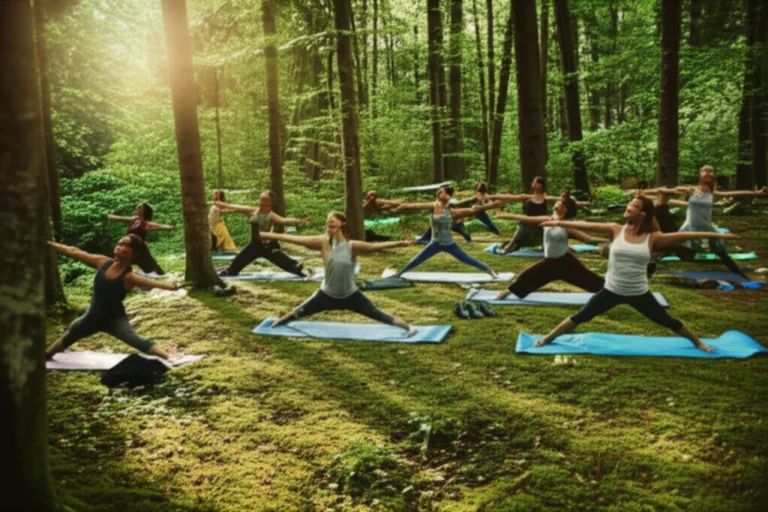
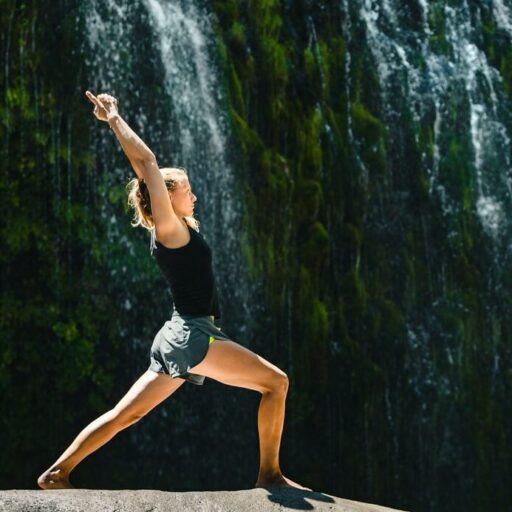
7. 🧘 ♀️ Outdoor Yoga & Tai Chi: Harmonizing Mind and Body in Nature
Take your mindful movement practice outdoors! Practicing yoga or Tai Chi in a park, by a lake, or on a beach amplifies their benefits, connecting you more deeply to your surroundings.
- Benefits:
- Flexibility & Strength: Improves range of motion and builds lean muscle.
- Balance & Stability: Especially challenging on uneven natural surfaces.
- Stress Reduction & Mindfulness: The calming sounds and sights of nature enhance the meditative aspects of these practices.
- Improved Breathing: Fresh air deepens breathwork.
- Our Experience: We often host outdoor yoga sessions for our team. “The feeling of the sun on your skin and the sound of birdsong during Savasana is just magical,” says our resident yoga instructor, Lisa.
- Gear Essentials:
- Outdoor Yoga Mat: Look for thicker, more durable mats or use a towel over a regular mat. Manduka offers excellent quality.
- Comfortable Clothing: Breathable fabrics are key.
- 👉 Shop Yoga Mats on:
- Amazon: Outdoor Yoga Mat
- Manduka Official Website: Manduka
8. 🌳 Forest Bathing (Shinrin-Yoku): Mindful Movement for Stress Reduction
More than just a walk, Forest Bathing (Shinrin-Yoku) is the practice of immersing yourself in the forest atmosphere, engaging all your senses. It’s a gentle, meditative experience, not a strenuous workout, but its health benefits are profound.
- Benefits:
- Profound Stress Reduction: Lowers blood pressure, heart rate, and cortisol levels.
- Immune System Boost: As mentioned earlier, phytoncides from trees enhance NK cell activity.
- Improved Mood & Focus: Reduces rumination and increases feelings of well-being.
- Enhanced Creativity: A quiet mind in a natural setting fosters new ideas.
- Our Experience: We are huge advocates for Forest Bathing! Our team regularly takes “nature breaks” to practice Shinrin-Yoku. “It’s not about how far you go, but how deeply you connect,” explains our wellness coach, Sarah.
- How to Practice:
- Find a quiet natural area: A forest, park, or even a few trees will do.
- Leave your phone behind: Or put it on silent, deep in your bag.
- Wander aimlessly: No destination, no goal, just be present.
- Engage your senses: Notice the smells, sounds, textures, and sights.
- Breathe deeply: Inhale the forest air.
- Spend at least 20 minutes: But ideally longer.
- For a deeper dive into this incredible practice, explore our category on Forest Bathing Benefits.
9. 🏄 ♀️ Surfing & Windsurfing: Riding the Waves to Fitness
For those near the coast, surfing and windsurfing offer exhilarating, full-body workouts that combine strength, balance, and agility with the thrill of riding the waves.
- Benefits:
- Core Strength & Balance: Constantly engaging your core to stay upright on the board.
- Upper Body & Back Strength: Paddling (surfing) or holding the sail (windsurfing) builds significant strength.
- Leg Endurance: Standing and maneuvering on the board works your legs.
- Mental Focus & Resilience: Requires intense concentration and patience, rewarding persistence.
- Our Experience: Our designer, Emily, grew up surfing. “There’s a unique kind of fitness you get from the ocean,” she says. “It’s not just physical; it’s about reading the water, anticipating, and becoming one with the wave.”
- Gear Essentials:
- Surfboard/Windsurf Board & Sail: Depending on the sport.
- Wetsuit: For warmth in colder waters.
- Leash (surfing): To keep your board close.
- 👉 Shop Surfboards on:
- Amazon: Surfboards
- REI: Surfing Gear
10. ❄️ Snowshoeing & Cross-Country Skiing: Winter Wonderland Workouts
Don’t let winter keep you indoors! Snowshoeing and cross-country skiing are fantastic ways to explore snowy landscapes while getting an incredible cardiovascular and leg workout.
- Benefits:
- High Calorie Burn: Moving through snow requires significant effort.
- Cardiovascular Fitness: Excellent for endurance.
- Leg & Glute Strength: Pushing through snow builds powerful lower body muscles.
- Low Impact (cross-country skiing): Gliding motion is gentle on joints.
- Mental Serenity: The quiet beauty of a snowy forest is incredibly peaceful.
- Our Experience: Our team recently tried snowshoeing for the first time. “It was like hiking on clouds!” exclaimed Ben. “And the silence of the snow-covered trees was absolutely magical.”
- Gear Essentials:
- Snowshoes: Brands like MSR or Tubbs are reliable.
- Cross-Country Skis, Boots & Poles: Fischer and Rossignol are popular brands.
- Warm, Layered Clothing: Moisture-wicking base layers, insulating mid-layers, and a waterproof/windproof outer shell.
- 👉 Shop Snowshoes on:
- Amazon: Snowshoes
- MSR Official Website: MSR Snowshoes
11. 🥾 Orienteering & Geocaching: Navigating Nature with a Purpose
Turn your outdoor workout into a treasure hunt! Orienteering involves navigating a course using a map and compass, while geocaching uses GPS coordinates to find hidden containers.
- Benefits:
- Physical Activity: Involves walking, running, or hiking over varied terrain.
- Mental Stimulation: Sharpens navigation skills, problem-solving, and spatial awareness.
- Adventure & Exploration: Discover new places and hidden gems.
- Family-Friendly: A great way to get kids engaged in outdoor activity.
- Our Experience: We once used geocaching for a team-building exercise. It was a blast! “It’s amazing how much more motivated you are to keep moving when there’s a ‘treasure’ at the end,” remarked Alex.
- Gear Essentials:
- Map & Compass (Orienteering): Essential for navigation.
- GPS Device or Smartphone with Geocaching App: (e.g., Geocaching® app).
- Comfortable Walking Shoes/Hiking Boots.
- Download the Geocaching® app: Google Play Store | Apple App Store
12. 🤸 ♂️ Outdoor Calisthenics & Parkour: Using Natural Obstacles as Your Gym
Why pay for a gym membership when nature provides all the equipment you need? Calisthenics uses your body weight for strength training, and parkour involves moving efficiently over and through obstacles.
- Benefits:
- Full-Body Strength: Develops incredible relative strength, flexibility, and control.
- Functional Movement: Improves agility, balance, and coordination for real-world scenarios.
- Creativity & Adaptability: Learning to use trees for pull-ups, benches for dips, or rocks for jumps.
- Free & Accessible: Requires minimal to no equipment.
- Our Experience: Our team has experimented with using park benches for step-ups and tree branches for pull-ups in local parks. It’s a fantastic way to get a quick, effective workout. For more ideas on using your body weight, check out our Natural Bodyweight Exercises section.
- Gear Essentials:
- Comfortable Athletic Clothing.
- Supportive Shoes: For jumping and landing.
- Optional: Resistance bands for added challenge.
13. 🧑 🌾 Gardening & Landscaping: Cultivating Health and Beauty
Don’t underestimate the physical demands of gardening! Digging, planting, weeding, lifting bags of soil – it’s a surprisingly effective workout that yields beautiful results.
- Benefits:
- Strength & Flexibility: Bending, lifting, and reaching work multiple muscle groups.
- Cardiovascular Health: Sustained activity can elevate your heart rate.
- Stress Reduction: The therapeutic nature of gardening is well-documented.
- Vitamin D Exposure: Spending time outdoors in the sun.
- Sense of Accomplishment: Enjoying the fruits (or vegetables!) of your labor.
- Our Experience: Our office has a community garden, and we take turns tending to it. “It’s amazing how sore you can get from a few hours of weeding,” laughs Chloe. “But seeing those tomatoes ripen is worth every ache!”
- Gear Essentials:
- Gardening Gloves: For protection.
- Sturdy Shoes: To protect your feet.
- Basic Gardening Tools: Shovel, trowel, rake.
- 👉 Shop Gardening Tools on:
- Amazon: Gardening Tools
- Walmart: Gardening & Lawn Care
14. 🎣 Fly Fishing & Foraging: Active Hobbies with a Natural Twist
These might not immediately scream “fitness,” but they involve significant outdoor activity, often in challenging natural environments.
- Fly Fishing: Wading through rivers, casting repeatedly, and hiking to remote spots can be quite a workout. It requires balance, core strength, and repetitive upper body motion.
- Foraging: Searching for wild edibles involves extensive walking, bending, and keen observation, often off-trail in forests or fields.
- Benefits:
- Endurance & Balance: Especially when wading in currents or traversing uneven terrain.
- Upper Body Dexterity (fishing): Repetitive casting builds shoulder and arm endurance.
- Mental Focus & Patience: Both activities require calm concentration.
- Connection to Nature: Deepens understanding of ecosystems and food sources.
- Our Experience: One of our team members, a keen fly fisherman, often talks about the miles he covers in a day, wading upstream. “It’s a full-body workout disguised as a peaceful hobby,” he says.
- Gear Essentials:
- Waders & Boots (fishing): For staying dry and having grip in the water.
- Fishing Rod & Reel.
- Basket/Bag (foraging): To collect your finds.
- Field Guide (foraging): Absolutely essential for safe identification.
- 👉 Shop Fly Fishing Gear on:
- Amazon: Fly Fishing Gear
- Orvis Official Website: Orvis Fly Fishing
15. 🐾 Dog Walking & Pet Play: Shared Fitness Adventures with Your Best Friend
Don’t forget your furry companions! Regular, vigorous dog walks, runs, or active play sessions in parks or trails are excellent for both you and your pet.
- Benefits:
- Consistent Activity: Dogs need daily exercise, providing built-in motivation for you.
- Varied Intensity: From leisurely strolls to energetic sprints and fetch games.
- Social Connection: Meet other pet owners and build community.
- Stress Relief: The unconditional joy of a pet is a powerful mood booster.
- Our Experience: Many of us at Fitness and Nature™ have dogs, and they are our best fitness buddies! “My golden retriever, Sunny, ensures I get out for at least two long walks a day, rain or shine,” shares Sarah. “No excuses!”
- Gear Essentials:
- Comfortable Walking/Running Shoes.
- Leash & Harness: For your dog’s safety and control.
- Waste Bags: Always clean up after your pet!
- Portable Water Bowl: For hydration for both of you.
- 👉 Shop Dog Walking Essentials on:
- Amazon: Dog Walking Essentials
- Chewy: Dog Leashes & Collars
16. 🏕️ Wilderness Survival Skills: Practical Fitness for the Adventurous Soul
While not a “workout” in the traditional sense, learning and practicing wilderness survival skills inherently involves significant physical activity and mental fortitude in nature. Think shelter building, fire starting, water procurement, and navigation.
- Benefits:
- Functional Strength & Endurance: Hauling wood, digging, climbing, and hiking with purpose.
- Problem-Solving & Resilience: Facing challenges in a natural environment builds mental toughness.
- Deep Connection to Nature: Understanding how to live off the land fosters profound respect.
- Self-Reliance & Confidence: Knowing you can handle yourself in the wild is incredibly empowering.
- Our Experience: Alex, our co-founder, has taken several wilderness survival courses. “It’s not just about surviving; it’s about thriving in any environment,” he explains. “The physical demands are real, but the mental gains are even greater.”
- Gear Essentials:
- Multi-tool/Knife: (e.g., Leatherman Wave+).
- Fire Starter: Ferro rod or waterproof matches.
- Water Filter/Purifier: (e.g., Sawyer Squeeze).
- First Aid Kit.
- 👉 Shop Wilderness Survival Gear on:
- Amazon: Wilderness Survival Gear
- REI: Survival & Emergency Gear
Phew! That’s a lot of ways to get fit in the wild, isn’t it? The beauty is, you don’t have to pick just one. Mix and match, explore new activities, and let nature be your ultimate fitness playground! But how do you actually start? Keep reading, because we’re about to show you!
👟 Lacing Up Your Boots: How to Start Your Nature Fitness Journey
Feeling inspired? Great! But perhaps a little overwhelmed? Don’t be! Starting your fitness in nature journey doesn’t require you to immediately scale Everest or paddle across an ocean. It’s about taking small, consistent steps. Here at Fitness and Nature™, we believe in making outdoor activity accessible and enjoyable for everyone. So, let’s get you started!
🎯 Setting Realistic Goals: Your First Step into the Wild
Just like any fitness endeavor, setting clear, achievable goals is crucial. This isn’t about comparing yourself to seasoned adventurers; it’s about finding your starting line.
- Start Small, Dream Big: ✅ Don’t aim for a marathon if you’re currently a couch potato. Begin with a 30-minute walk in a local park a few times a week. Once that feels comfortable, extend the time, increase the incline, or try a slightly longer trail.
- Define Your “Why”: 🤔 What motivates you? Is it stress relief, weight loss, connecting with family, or simply the joy of being outdoors? Knowing your “why” will keep you going when motivation wanes. For our team, it’s often the mental clarity and sense of peace that nature provides.
- SMART Goals are Your Friends: Make your goals Specific, Measurable, Achievable, Relevant, and Time-bound.
- ❌ “I want to get fit in nature.” (Too vague!)
- ✅ “I will hike a 3-mile local trail every Saturday morning for the next month.” (Specific, measurable, achievable, relevant, time-bound!)
- Listen to Your Body: 👂 Nature offers varied challenges. Pay attention to how your body feels. Pushing too hard too soon can lead to injury and discourage you. It’s a journey, not a race!
🤝 Finding Your Tribe: Solo vs. Group Adventures
The beauty of outdoor fitness is its flexibility. You can enjoy serene solitude or vibrant camaraderie.
- Solo Exploration: Perfect for introspection, mindfulness, and moving at your own pace. It’s a fantastic way to practice self-reliance and truly connect with your surroundings. Our co-founder, Alex, often takes solo hikes to clear his head and brainstorm new ideas. “There’s a unique freedom in being alone in the wild,” he says.
- Buddy System: 👯 ♀️ Bringing a friend adds an element of safety, motivation, and shared experience. It’s harder to skip a workout when someone else is counting on you! Plus, sharing a stunning view with a friend is priceless.
- Group Activities & Clubs: 🏞️ Joining a hiking club, a local paddling group, or a trail running community can be incredibly rewarding. It introduces you to new people, new trails, and often provides expert guidance. Check out local Meetup.com groups or outdoor recreation centers in your area. Many parks also offer guided walks or activities.
- Family Fun: 👨 👩 👧 👦 Nature is the ultimate playground for families! Hiking, geocaching, or even just exploring a local park together fosters a love for the outdoors in children and creates lasting memories.
🗓️ Scheduling Your Green Escape: Making Time for Nature
In our busy lives, “finding” time for fitness can feel like a quest for a mythical creature. The trick? Don’t find it; make it!
- Block It Out: Treat your outdoor fitness time like any other important appointment. Put it in your calendar and commit to it.
- Integrate It: Can you walk or bike to work or run errands? Turn your commute into a workout! Even a 15-minute walk during your lunch break can make a huge difference.
- Weekend Warrior (and Weekday Wanderer): Dedicate a larger chunk of time on weekends for longer adventures, but don’t neglect the power of shorter, more frequent outdoor bursts during the week.
- Be Flexible: Nature is unpredictable. If your planned hike gets rained out, pivot to an indoor nature-inspired workout or a walk in a covered botanical garden. The goal is consistency, not perfection.
- The “No Excuses” Mindset: We’ve all been there – the alarm goes off, it’s chilly, and the bed feels so good. But remember how amazing you feel after that outdoor adventure? That feeling is your motivation!
Starting your nature fitness journey is an investment in yourself – your physical health, mental well-being, and connection to the world. So, what’s stopping you from lacing up those boots and stepping outside? The wild is calling!
🎒 Your Outdoor Arsenal: Essential Gear for Nature Workouts
You wouldn’t go to a fancy dinner in your pajamas, right? (Unless it’s a very specific kind of fancy dinner!) The same goes for outdoor fitness. Having the right gear isn’t just about looking the part; it’s about safety, comfort, and enhancing your performance. Here at Fitness and Nature™, we’ve tried countless pieces of equipment, and we’ve learned that investing in quality gear makes all the difference. Think of it as your personal outdoor arsenal!
👕 Apparel & Footwear: Dressing for Success (and Comfort!)
This is arguably the most critical category. Your clothing and shoes are your first line of defense against the elements and the foundation of your comfort.
Footwear: Your Foundation for Adventure
Choosing the right footwear is paramount. It protects your feet, provides grip, and supports your ankles.
| Feature | Hiking Boots (e.g., Merrell Moab 3) | Trail Running Shoes (e.g., Hoka Speedgoat) | Water Shoes (e.g., Keen Newport H2) |
|---|---|---|---|
| Design | 8/10 (Rugged, supportive, often bulky) | 9/10 (Sleek, agile, often vibrant) | 7/10 (Functional, quick-drying, sometimes less stylish) |
| Functionality | 9/10 (Ankle support, traction, waterproof options, durability) | 9/10 (Lightweight, aggressive grip, cushioning, flexibility) | 8/10 (Drainage, quick-drying, toe protection, good wet grip) |
| Comfort | 8/10 (Can require break-in, but supportive for long treks) | 9/10 (Often comfortable out of the box, designed for high mileage) | 8/10 (Comfortable for wet environments, less cushioning for long walks) |
| Durability | 9/10 (Built to withstand harsh conditions) | 7/10 (Aggressive treads can wear faster, uppers can be less robust) | 7/10 (Designed for water, but materials can degrade with heavy use) |
| Versatility | 7/10 (Best for hiking, less ideal for running or casual wear) | 8/10 (Great for trails, some can cross over to light hiking) | 6/10 (Excellent for water, limited use on dry, technical trails) |
| Overall Rating | 8.2/10 | 8.4/10 | 7.2/10 |
- Hiking Boots: For stability and protection on rugged trails. Look for waterproof features (like Gore-Tex) and good ankle support. Brands like Merrell (Moab series) and Salomon (X Ultra series) are perennial favorites.
- 👉 CHECK PRICE on:
- Merrell Moab 3 Mid Waterproof Hiking Boots: Amazon | Walmart | Merrell Official Website
- 👉 CHECK PRICE on:
- Trail Running Shoes: Lighter than boots, with aggressive outsoles for grip on loose terrain. They offer more flexibility and cushioning for faster movement. Hoka Speedgoat and Brooks Cascadia are top picks.
- 👉 CHECK PRICE on:
- Hoka Speedgoat 5 Trail Running Shoes: Amazon | Hoka Official Website
- 👉 CHECK PRICE on:
- Water Shoes/Sandals: Essential for activities like kayaking, paddleboarding, or wild swimming. They protect your feet from sharp rocks and offer grip on wet surfaces. Keen Newport H2 sandals are a team favorite for their versatility.
- 👉 CHECK PRICE on:
- Keen Newport H2 Water Sandals: Amazon | Walmart | Keen Official Website
- 👉 CHECK PRICE on:
Apparel: Layer Up for Any Weather
The key to outdoor comfort is layering. This allows you to adjust to changing temperatures and activity levels.
-
Base Layer (Wicking): Worn next to your skin, this layer wicks sweat away to keep you dry. Avoid cotton, which absorbs moisture and stays wet. Opt for synthetic fabrics (polyester, nylon) or merino wool. Smartwool and Patagonia Capilene are excellent choices.
-
Mid-Layer (Insulating): Provides warmth. Fleece jackets (e.g., The North Face Denali) or lightweight down jackets are ideal.
-
Outer Layer (Shell): Protects against wind and rain. Look for waterproof and breathable jackets (e.g., Arc’teryx Beta LT or Columbia Watertight II).
-
Socks: Just like base layers, avoid cotton! Wool or synthetic hiking socks (e.g., Darn Tough or Smartwool) prevent blisters and manage moisture.
-
Hats & Gloves: Essential for temperature regulation, especially in colder or very sunny conditions.
-
👉 Shop Outdoor Apparel on:
- Amazon: Outdoor Apparel
- REI: Outdoor Clothing
- Patagonia Official Website: Patagonia
💧 Hydration & Nutrition: Fueling Your Adventures
You wouldn’t drive a car without gas, so don’t hit the trails without proper fuel!
- Water Bottles/Hydration Reservoirs: Staying hydrated is non-negotiable.
- Nalgene Bottles: Durable and reliable.
- CamelBak Hydration Reservoirs: Fit into backpacks for hands-free sipping.
- 👉 CHECK PRICE on:
- CamelBak Crux Reservoir: Amazon | CamelBak Official Website
- Snacks: Pack energy-dense, easy-to-eat snacks.
- Energy Bars: Clif Bars or RXBARs.
- Nuts & Dried Fruit: A classic trail mix.
- Gels/Chews: For quick energy boosts during high-intensity activities (e.g., GU Energy Gels).
- Electrolytes: Especially on hot days or during long exertions, consider electrolyte tablets (e.g., Nuun Sport) to replenish salts lost through sweat.
🧭 Navigation & Safety Tools: Your Lifeline in the Wild
Even on familiar trails, things can go wrong. Being prepared is key.
- Map & Compass: Always carry a physical map of the area and know how to use a compass. Don’t rely solely on your phone!
- GPS Device/Smartphone Apps: Apps like AllTrails, Gaia GPS, or Strava can be invaluable for navigation and tracking, but ensure you have downloaded offline maps and a portable charger.
- Headlamp/Flashlight: Even if you plan to be back before dark, unexpected delays can happen. Black Diamond and Petzl make excellent headlamps.
- Whistle: For signaling in emergencies.
- Multi-tool/Knife: (e.g., Leatherman Wave+ or a simple Opinel knife) for repairs or unexpected needs.
- Personal Locator Beacon (PLB) / Satellite Messenger: For remote areas without cell service, devices like the Garmin inReach Mini 2 can be life-savers, allowing you to send SOS messages and communicate via satellite.
- 👉 CHECK PRICE on:
- Garmin inReach Mini 2 Satellite Communicator: Amazon | Garmin Official Website
- 👉 CHECK PRICE on:
☀️ Sun & Insect Protection: Guarding Against the Elements
Nature is beautiful, but it also has its challenges.
-
Sunscreen: Protect your skin from harmful UV rays. Look for broad-spectrum SPF 30+ (e.g., Neutrogena Ultra Sheer Dry-Touch).
-
Insect Repellent: Guard against ticks, mosquitoes, and other biting insects. Products with DEET or picaridin are effective (e.g., Sawyer Products Picaridin Insect Repellent).
-
Sunglasses: Protect your eyes from glare and UV radiation.
-
Hat: A wide-brimmed hat offers excellent sun protection for your face and neck.
-
👉 Shop Sun & Insect Protection on:
- Amazon: Sunscreen and Insect Repellent
- Sawyer Products Official Website: Sawyer Products
Remember, the specific gear you need will depend on your chosen activity, the weather, and the duration of your adventure. Always check the forecast and trail conditions before you go! For more detailed reviews on specific products, don’t forget to visit our Fitness Gear Reviews section.
🚨 Navigating the Wild: Essential Safety Tips for Outdoor Fitness
The call of the wild is exhilarating, but nature can also be unpredictable. Here at Fitness and Nature™, our top priority is ensuring you have safe and enjoyable experiences. While the idea of “fitness” in the context of pathogen evolution (as discussed in the Nature article about phylowave and detecting fitter lineages Source: nature.com) is about survival and spread at a microscopic level, for us humans, safety in nature is about proactive planning and awareness. So, before you head out, let’s talk about how to stay safe and sound.
🗺️ Plan Your Route: Know Before You Go
Spontaneity is fun, but not when it comes to wilderness adventures. A little planning goes a long way.
- Research Your Destination: ✅ Understand the terrain, elevation changes, trail conditions, and potential hazards. Is it a well-maintained path or a rugged, remote trail?
- Know Your Limits: ❌ Don’t attempt a 10-mile strenuous hike if you’re new to the activity. Choose routes that match your fitness level and experience.
- Study Maps: 🗺️ Carry a physical map and compass, and know how to use them. Supplement with reliable GPS apps (like AllTrails or Gaia GPS) with downloaded offline maps, as cell service can be spotty.
- Estimate Time: Factor in breaks, photo stops, and potential delays. It often takes longer than you think!
- Check for Permits/Regulations: Some areas require permits for hiking, camping, or specific activities. Always respect local rules.
🌦️ Check the Weather: Nature’s Unpredictable Mood Swings
Weather can change rapidly, especially in mountainous or coastal areas.
- Forecast, Forecast, Forecast! ☀️☁️🌧️ Always check the weather forecast immediately before you leave and be aware of any warnings. Use reliable sources like the National Weather Service or local meteorological offices.
- Be Prepared for Anything: Even on a sunny day, pack layers for temperature drops, rain gear, and sun protection. “I once started a hike in glorious sunshine and ended up caught in a sudden hailstorm,” recounts Ben from our team. “Lesson learned: always pack a rain jacket, no matter what!”
- Know When to Turn Back: If conditions deteriorate (heavy rain, lightning, dense fog), don’t hesitate to turn around. Your safety is more important than reaching a summit. This is a core principle of Climate Aware Fitness.
🗣️ Tell Someone Your Plans: The Buddy System (Even When Solo)
This is a non-negotiable safety rule.
- Leave an Itinerary: 📝 Inform a trusted friend or family member about your exact route, your expected return time, and who you’re with.
- Check-In: Agree on a time to check in with them upon your safe return. If they don’t hear from you, they’ll know to initiate a search.
- Consider a PLB/Satellite Messenger: As mentioned in the gear section, if you’re venturing into remote areas without cell service, a device like the Garmin inReach Mini 2 can be a literal lifeline.
🐻 Wildlife Awareness: Sharing the Space Respectfully
You’re entering their home, so be a good guest!
- Research Local Wildlife: Know what animals you might encounter (bears, snakes, coyotes, etc.) and how to react safely.
- Make Noise: Especially in bear country, make noise while hiking to avoid surprising animals.
- Never Feed Wildlife: This habituates them to humans and can lead to dangerous encounters.
- Maintain Distance: Observe animals from a respectful distance. Never approach or harass them.
- Store Food Properly: Use bear canisters or hang food in bear bags to prevent attracting animals to your campsite.
🩹 First Aid Preparedness: Better Safe Than Sorry
Accidents happen. Being able to handle minor injuries can prevent them from becoming major problems.
- Carry a Basic First Aid Kit: ✅ Include bandages, antiseptic wipes, pain relievers, blister treatment, allergy medication, and any personal prescriptions.
- Know Basic First Aid: Consider taking a wilderness first aid course. Knowing how to treat cuts, sprains, and hypothermia can be crucial.
- Stay Calm: In an emergency, panic can worsen the situation. Take a deep breath, assess the situation, and act methodically.
Remember, the goal isn’t to be fearful of nature, but to respect its power and be prepared. With proper planning and awareness, your outdoor fitness adventures will be incredibly rewarding and safe!
🏙️ No Wilderness? No Problem! Finding Fitness in Urban Nature
“But Fitness and Nature™,” you might be thinking, “I live in a concrete jungle! Where’s my wilderness?” We hear you! Not everyone has immediate access to sprawling national parks or pristine mountain trails. But here’s a little secret: nature is often closer than you think, even in the heart of the city. Our designers are experts at finding pockets of green in unexpected places, and we’re here to show you how to turn your urban environment into your personal outdoor gym!
🌳 Parks & Greenways: Your City’s Natural Gym
These are the unsung heroes of urban fitness.
- Local Parks: From small neighborhood squares to sprawling municipal parks, these green spaces offer endless opportunities.
- Walking & Running: Paved paths are great for consistent cardio, while grassy areas offer softer surfaces for bodyweight exercises or sprints.
- Outdoor Calisthenics: Use park benches for step-ups, push-ups, or dips. Find sturdy trees for pull-ups (if safe and allowed!). Many parks now have dedicated outdoor fitness equipment.
- Yoga & Tai Chi: Find a quiet spot under a tree for a serene practice.
- Picnic & Play: Combine your workout with a healthy meal outdoors, or play active games with family and friends.
- Greenways & Riverwalks: These linear parks often follow rivers, old railway lines, or connect different parts of the city. They’re perfect for:
- Longer Runs & Bike Rides: Enjoy miles of uninterrupted, traffic-free paths.
- Rollerblading/Skateboarding: A fun way to get around and get a workout.
- Nature Observation: Many greenways are ecological corridors, offering chances to spot birds and local flora.
- Our Experience: Our team often uses the city’s greenway for lunchtime walks. “It’s amazing how a few trees and the sound of the river can make you forget you’re in the middle of a bustling city,” says Emily.
💧 Urban Waterways: Kayaking and Paddleboarding in the City
If your city has a river, canal, or even a large lake, chances are there are opportunities for water sports.
- Rental Services: Many urban waterfronts offer kayak, canoe, or stand-up paddleboard rentals. This is a fantastic way to try out a new activity without the commitment of buying gear.
- Guided Tours: Join a guided paddle tour to explore your city from a unique perspective. It’s a workout and a sightseeing adventure rolled into one!
- Benefits: As we discussed earlier, these activities offer excellent core and upper body workouts, plus the calming effect of being on the water.
- Our Experience: We once did a paddleboard tour of a city’s historic canal system. It was a completely different way to experience the urban landscape, and a surprisingly good workout for our balance!
🚶 ♀️ Walking & Cycling Commutes: Turning Travel into Training
This is perhaps the easiest way to integrate fitness in nature (or urban nature!) into your daily routine.
- Walk or Bike to Work/Errands: If feasible, swap your car or public transport for walking or cycling. Even part of the way can make a difference.
- Benefits: Consistent low-impact cardio, saves money, reduces your carbon footprint, and provides a mental break before and after your workday.
- Take the Scenic Route: Instead of the quickest path, choose routes that go through parks, along tree-lined streets, or by water.
- Stair Climbing: If your building has stairs, use them! It’s a fantastic cardio and leg workout.
- Our Experience: Mark, our sustainability expert, bikes to work almost every day. “It’s my favorite part of the day,” he shares. “I get my exercise, clear my head, and arrive feeling energized, not stressed.”
Don’t let a lack of “wilderness” be an excuse. Embrace the green spaces your city offers, get creative, and discover how much urban nature can contribute to your fitness journey!
♻️ Treading Lightly: Practicing Sustainable Fitness in Nature
At Fitness and Nature™, our love for the outdoors goes hand-in-hand with a deep commitment to protecting it. After all, if we treat nature as our gym, we have a responsibility to be the best members possible! This isn’t just about avoiding litter; it’s about a mindset of respect and stewardship. Just as genetic rescue can increase the “fitness” (survival and reproductive success) of endangered species by enhancing their adaptive capacity Source: nature.com, our actions can either enhance or degrade the “fitness” of our natural environments. Let’s ensure we’re contributing positively.
🗑️ Leave No Trace Principles: Our Collective Responsibility
The Leave No Trace Center for Outdoor Ethics has developed seven principles that guide responsible outdoor recreation. We wholeheartedly endorse them!
- Plan Ahead and Prepare: ✅ This ties into our safety section. Know the regulations, pack appropriate gear, and prepare for emergencies. Proper planning minimizes your impact.
- Travel and Camp on Durable Surfaces: ✅ Stick to marked trails, even if they’re muddy. Going off-trail can damage fragile vegetation and contribute to erosion. When camping, use existing campsites.
- Dispose of Waste Properly: ✅ Pack it in, pack it out! This includes all trash, food scraps, and even human waste (know how to dig a cathole at least 200 feet from water, trails, and camps).
- ❌ Never leave anything behind, not even biodegradable items like apple cores, which can take a long time to decompose and attract wildlife.
- Leave What You Find: ✅ Resist the urge to take souvenirs like rocks, plants, or historical artifacts. Leave natural objects and cultural artifacts undisturbed.
- Minimize Campfire Impacts: 🔥 Use established fire rings, keep fires small, and ensure they are completely out before leaving. In many areas, fires are prohibited – know before you go!
- Respect Wildlife: 🐻 As discussed in our safety section, observe wildlife from a distance, never feed them, and store food properly.
- Be Considerate of Other Visitors: 🗣️ Yield to others on the trail, keep noise levels down, and respect the solitude of others. Share the trails and enjoy the peace!
- Learn more about Leave No Trace: Leave No Trace Center for Outdoor Ethics
🌍 Supporting Conservation: Investing in Our Natural Gyms
Our natural spaces don’t maintain themselves. They need our help!
- Volunteer Your Time: 🤝 Join a local trail maintenance group, participate in park clean-ups, or volunteer with a conservation organization. It’s a fantastic way to give back and get more outdoor time!
- Donate to Conservation Efforts: 💰 Consider supporting organizations that protect and preserve natural areas. Groups like the National Park Foundation, The Nature Conservancy, or local land trusts do vital work.
- Advocate for Green Spaces: 📣 Speak up for the protection of parks, forests, and waterways in your community. Attend public meetings, write to elected officials, or support policies that promote environmental health.
- Choose Sustainable Gear: When purchasing outdoor equipment, look for brands committed to sustainable practices, ethical manufacturing, and recycled materials. Many brands now highlight their environmental initiatives.
- Reduce Your Carbon Footprint: Consider how your travel to natural areas impacts the environment. Carpool, use public transport, or choose closer destinations when possible. This aligns perfectly with our Climate Aware Fitness philosophy.
Practicing sustainable fitness in nature isn’t just about being a good citizen; it’s about ensuring that these incredible “natural gyms” remain vibrant and accessible for generations to come. Let’s all do our part to protect the places we love to play!
❓ Your Burning Questions Answered: FAQs on Fitness in Nature

We get a lot of questions about embracing the great outdoors for fitness. It’s totally normal to have queries, especially when you’re stepping outside your comfort zone (and into the wilderness!). Here are some of the most common questions we hear at Fitness and Nature™, along with our expert answers.
Q1: Is outdoor fitness really better than the gym? A: “Better” is subjective, but it offers unique and often superior benefits! While gyms provide controlled environments and specialized equipment, outdoor fitness engages more stabilizing muscles due to uneven terrain, boosts mood and reduces stress more effectively (thanks, nature!), provides essential Vitamin D, and exposes you to beneficial phytoncides. It’s a more holistic experience for both body and mind. We’re not saying ditch the gym entirely, but definitely balance it with some green exercise!
Q2: What if I’m not very fit? Can I still do fitness in nature? A: Absolutely, YES! ✅ Nature is incredibly accommodating. Start with gentle walks in a local park. As your fitness improves, gradually increase the duration, intensity, or terrain difficulty. Remember our advice on setting realistic goals – everyone starts somewhere! The key is to listen to your body and progress at your own pace.
Q3: What’s the biggest challenge of outdoor fitness? A: For many, it’s consistency and unpredictability. Weather changes, daylight hours, and trail conditions can all throw a wrench in your plans. Our advice? Be flexible, have a backup plan (like an indoor nature-inspired workout), and invest in good gear that allows you to be comfortable in various conditions. The mental hurdle of “getting out there” is often the biggest one to overcome!
Q4: How do I stay motivated when it’s cold or raining? A: Ah, the age-old question! This is where proper gear (layers, waterproofs) and a strong “why” come in. Remind yourself of the incredible feeling after an invigorating outdoor session. Consider the unique benefits of cold exposure (like immune boosting from wild swimming!). A workout buddy can also be a huge motivator. Sometimes, the most memorable adventures happen in less-than-perfect weather!
Q5: Is it safe to exercise alone in nature? A: It can be, but preparation is key. Always tell someone your plans, carry navigation and safety tools, and be aware of your surroundings (wildlife, weather). For very remote or challenging areas, we highly recommend going with a partner or group. Your safety should always be your top priority.
Q6: How do I choose the right activity for me? A: Think about what genuinely excites you! Do you love the water? Try kayaking. Do you crave quiet contemplation? Forest bathing might be your jam. Are you an adrenaline junkie? Mountain biking or rock climbing could be perfect. Start with something that sparks your interest, and don’t be afraid to experiment! The beauty of nature is its diversity.
Q7: What about insects and wildlife? I’m a bit nervous. A: It’s natural to have concerns! Education and preparedness are your best defense. Research local wildlife, know how to react safely, and always carry appropriate insect repellent. Most animals want to avoid humans as much as we want to avoid them. Staying on marked trails and making noise can help prevent unexpected encounters.
Q8: Can I get a good workout in a city park, or do I need “real” wilderness? A: Absolutely! City parks and greenways are fantastic for fitness. You can walk, run, cycle, do outdoor calisthenics, or practice yoga. While “real” wilderness offers unique challenges and immersion, urban green spaces provide accessible, consistent opportunities for green exercise. Any time spent moving in nature, no matter how small, is beneficial!
Q9: How can I be sure I’m not harming the environment while exercising outdoors? A: By following the Leave No Trace Principles! Stick to trails, pack out everything you pack in, respect wildlife, and be considerate of other visitors. Educating yourself and being mindful of your impact are the best ways to ensure you’re a responsible steward of our natural spaces.
Q10: What’s the deal with “evolutionary fitness” vs. “physical fitness”? A: Great question, and it’s important to clarify! When we talk about “fitness in nature” at Fitness and Nature™, we’re referring to human physical and mental well-being achieved through outdoor activity. This is about building strength, endurance, flexibility, and improving mental health.
The concept of “evolutionary fitness,” as discussed by Evolution.Berkeley.edu and the first YouTube video, refers to an organism’s ability to survive and reproduce, passing its genes to the next generation. For example, a brown beetle might have higher evolutionary fitness than a green beetle if its color helps it camouflage and produce more offspring. Similarly, the Nature article on genetic rescue (Source: nature.com) discusses how introducing new genetic material can increase the evolutionary fitness of an endangered population, making them more robust and able to reproduce.
So, while both terms use “fitness,” they describe different things: one is about individual human health and performance, and the other is about species-level survival and reproduction over generations. Our goal is to help you maximize your personal physical fitness by leveraging the incredible power of nature!
✅ Conclusion: Embrace the Wild, Embrace Your Best Self

Wow, what a journey we’ve been on together! From the roots of our evolutionary past to the thrilling variety of fitness activities that nature offers, it’s clear that fitness in nature is not just exercise—it’s a lifestyle, a mindset, and a profound way to reconnect with ourselves and the world around us.
Whether you’re lacing up your hiking boots for a gentle trail walk, paddling across serene waters, or mastering the art of forest bathing, the benefits are undeniable: improved physical health, enhanced mental clarity, boosted immune function, and a deeper environmental connection. Plus, the sheer joy and adventure of moving outdoors can transform your fitness routine from a chore into a cherished ritual.
We’ve also equipped you with practical tips on getting started, choosing the right gear, and staying safe—because your well-being is our top priority. Remember, nature is an incredibly forgiving gym; it welcomes all levels and adapts to your pace. The key is to start small, stay consistent, and savor every moment.
If you’ve ever hesitated because you thought you needed to be an athlete or have access to remote wilderness, we hope we’ve shown you that fitness in nature is for everyone, everywhere—even in urban parks or your backyard.
So, what’s stopping you? The wild is calling, and your best self is waiting to emerge. Step outside, breathe deeply, and let nature be your guide to a healthier, happier you.
🔗 Recommended Links: Dive Deeper into Nature’s Fitness Playground
Ready to gear up and dive into your outdoor fitness adventures? Here are some of our top picks for equipment and resources to get you moving confidently and comfortably:
-
Merrell Moab 3 Mid Waterproof Hiking Boots:
Amazon | Walmart | Merrell Official Website -
Osprey Talon 22 Backpack:
Amazon | Osprey Official Website -
Hoka Speedgoat 5 Trail Running Shoes:
Amazon | Hoka Official Website -
Keen Newport H2 Water Sandals:
Amazon | Keen Official Website -
CamelBak Crux Hydration Reservoir:
Amazon | CamelBak Official Website -
Garmin inReach Mini 2 Satellite Communicator:
Amazon | Garmin Official Website -
Leatherman Wave+ Multi-tool:
Amazon | Leatherman Official Website -
Manduka Outdoor Yoga Mat:
Amazon | Manduka Official Website -
Sawyer Picaridin Insect Repellent:
Amazon | Sawyer Official Website -
Recommended Books on Nature and Fitness:
- “The Nature Fix: Why Nature Makes Us Happier, Healthier, and More Creative” by Florence Williams — Amazon
- “Born to Run: A Hidden Tribe, Superathletes, and the Greatest Race the World Has Never Seen” by Christopher McDougall — Amazon
- “Your Brain on Nature: The Science of Nature’s Influence on Your Health, Happiness and Vitality” by Eva M. Selhub and Alan C. Logan — Amazon
❓ Your Burning Questions Answered: FAQs on Fitness in Nature

Are there any specific nature-based fitness activities that can help with weight loss and management?
Absolutely! Activities like trail running, mountain biking, hiking with elevation gain, and kayaking are excellent for burning calories and improving metabolism. The varied terrain and natural resistance make these workouts more intense than their indoor counterparts. For example, a vigorous hike with a loaded backpack can burn upwards of 400-600 calories per hour, depending on intensity and body weight. Consistency is key—pair these activities with mindful nutrition for effective weight management.
What are the benefits of practicing yoga and meditation in outdoor natural settings?
Practicing yoga and meditation outdoors enhances the traditional benefits by adding sensory engagement and environmental connection. The natural sounds, fresh air, and sunlight deepen relaxation and mindfulness, reduce cortisol levels, and improve mood. Research shows that outdoor yoga can increase feelings of vitality and reduce anxiety more than indoor sessions. Plus, uneven ground challenges balance and proprioception, subtly enhancing physical benefits.
How does cycling on trails and bike paths impact cardiovascular fitness and mental health?
Cycling on trails offers low-impact, high-cardio exercise that strengthens the heart, lungs, and leg muscles. The variable terrain improves endurance and muscular strength. Mentally, being immersed in nature reduces stress, enhances mood, and can alleviate symptoms of depression and anxiety. The rhythmic pedaling combined with scenic surroundings promotes a meditative state, boosting mental clarity and creativity.
Can kayaking and canoeing be effective forms of exercise for building strength and endurance?
Yes! Kayaking and canoeing engage the upper body, core, and cardiovascular system. Paddling against water resistance builds muscular endurance in the shoulders, back, and arms, while balancing on the water strengthens the core. These activities also improve joint mobility and cardiovascular fitness, especially during longer sessions or in challenging water conditions.
What role does swimming in natural bodies of water play in maintaining physical health?
Swimming in lakes, rivers, or oceans provides a full-body, low-impact workout that enhances cardiovascular health, muscular strength, and flexibility. Cold water swimming additionally stimulates the immune system and improves circulation. The natural environment adds mental health benefits, including stress reduction and mood elevation.
How can hiking and trekking contribute to overall fitness and well-being?
Hiking and trekking improve cardiovascular endurance, muscular strength, balance, and coordination due to varied terrain and elevation changes. They also promote mental well-being by reducing stress and increasing exposure to natural light and fresh air. The social aspect of group hikes can enhance motivation and emotional health.
What are examples of fitness in plants?
In biological terms, fitness in plants refers to their ability to survive, reproduce, and pass on genes. Examples include:
- Drought-resistant cacti thriving in arid environments.
- Fast-growing invasive species outcompeting natives.
- Plants producing large numbers of seeds to increase reproductive success.
- Flowering plants attracting pollinators with bright colors or scents.
What are some examples of characteristics that contribute to fitness in biology?
Characteristics that enhance biological fitness include:
- Camouflage to avoid predators.
- Reproductive strategies like producing many offspring.
- Physical adaptations such as stronger limbs or wings.
- Behavioral traits like parental care or mating displays.
- Physiological traits like disease resistance.
What is an example sentence of fitness in biology?
“The brown beetle’s increased fitness allowed it to produce more offspring than the green beetle, leading to a higher frequency of brown beetles in the population.”
What is an example of fitness in natural selection?
An example is the peppered moth in England: during the Industrial Revolution, darker-colored moths had higher fitness in polluted areas because they were better camouflaged from predators, leading to an increase in their population.
What is fitness in nature?
Fitness in nature generally refers to an organism’s ability to survive and reproduce in its environment, passing on genes to the next generation. In human terms, fitness in nature also encompasses physical and mental well-being achieved through interaction with natural environments.
📚 Reference Links: Our Sources for Natural Wisdom
-
Genetic rescue increases fitness and aids rapid recovery of an endangered marsupial population:
https://www.nature.com/articles/s41467-017-01182-3 -
Phylowave: Agnostic identification of fitter pathogen lineages:
https://www.nature.com/articles/s41586-024-08309-9 -
Evolutionary fitness explained by University of California Berkeley:
https://evolution.berkeley.edu/evolution-101/mechanisms-the-processes-of-evolution/evolutionary-fitness/ -
Leave No Trace Center for Outdoor Ethics:
https://lnt.org/why/7-principles/ -
National Weather Service (for weather forecasts):
https://www.weather.gov/ -
Merrell Official Website:
https://www.merrell.com/ -
Hoka Official Website:
https://www.hoka.com/ -
CamelBak Official Website:
https://www.camelbak.com/ -
Garmin Official Website:
https://www.garmin.com/ -
Manduka Official Website:
https://www.manduka.com/ -
Sawyer Products Official Website:
https://sawyer.com/ -
La Sportiva Official Website:
https://www.sportiva.com/ -
Orvis Fly Fishing Gear:
https://www.orvis.com/guide-to-fly-fishing.html -
Leave No Trace Principles:
https://lnt.org/why/7-principles/
We hope this comprehensive guide inspires you to step outside, explore, and thrive in the natural world. Remember, nature is the ultimate fitness partner—always ready, always rewarding. Happy adventuring! 🌿💪