Support our educational content for free when you purchase through links on our site. Learn more
How Is Fitness Related to the Environment? 🌿 Discover 10 Surprising Links (2025)


Have you ever wondered how your morning jog or yoga session might be connected to the health of the planet? It turns out, fitness and the environment are more intertwined than you might think. From the air you breathe during outdoor workouts to the materials in your activewear, every aspect of your fitness routine echoes through the natural world. In fact, choosing eco-friendly fitness habits not only boosts your physical and mental well-being but also helps protect the environment we all depend on.
Later in this article, we’ll reveal 7 powerful ways outdoor exercise benefits both you and the planet, explore how climate change is reshaping your workout options, and share expert tips on integrating sustainability into your fitness lifestyle. Plus, discover how your fitness journey can become a catalyst for environmental stewardship—because when you thrive, so does the Earth.
Key Takeaways
- Fitness and environment are deeply connected: Your workout choices impact and are influenced by the natural world.
- Outdoor exercise offers a dual benefit: It enhances your health while fostering environmental awareness and conservation.
- Sustainable gear and active transportation reduce your carbon footprint: Choosing eco-friendly apparel and biking or walking instead of driving makes a big difference.
- Climate change affects how and where you can safely exercise: Adapting your routine is essential for long-term health.
- Mental health improves when fitness meets nature: The combined effect of exercise and green spaces is a powerful mood booster.
- Small lifestyle changes can create a big environmental impact: From plogging to green gyms, your fitness habits can help heal the planet.
Ready to lace up your shoes and step into a greener, healthier future? Let’s dive in!
Table of Contents
- ⚡️ Quick Tips and Facts About Fitness and the Environment
- 🌍 The Eco-Fitness Connection: A Brief History and Background
- 💪 How Physical Fitness Impacts Environmental Awareness and Behavior
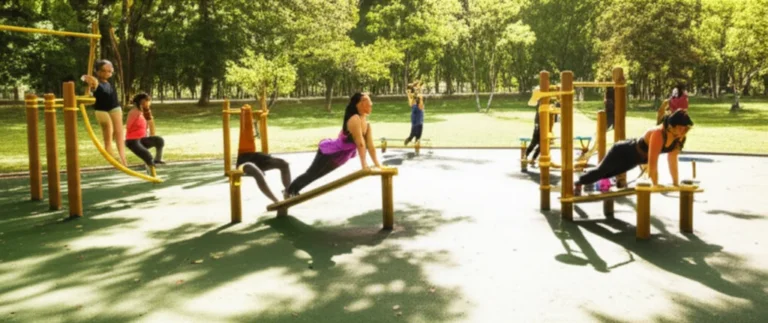
- 🚶 ♂️ 7 Ways Outdoor Exercise Benefits Both Your Health and the Planet
- 🏃 ♀️ Sustainable Fitness: Choosing Eco-Friendly Workout Gear and Apparel
- 🌱 Green Gyms and Eco-Friendly Fitness Centers: What Are They and Why They Matter
- 🚴 ♂️ Active Transportation: How Biking and Walking Improve Fitness and Reduce Carbon Footprint
- 🥤 Hydration and Nutrition: Eco-Conscious Choices for Fitness Enthusiasts
- 📱 Fitness Tech and Apps That Promote Environmental Responsibility
- 🌿 Mental Health, Nature, and Fitness: The Triple Win for You and the Earth
- 🔄 Circular Economy in Fitness: Recycling and Upcycling Your Gear
- 🌦️ Weather and Environment: How Climate Affects Your Fitness Routine
- 💡 Expert Tips for Integrating Fitness and Environmental Stewardship
- 🎯 Conclusion: Embracing Fitness as a Path to a Healthier Planet and You
- 🔗 Recommended Links for Eco-Friendly Fitness Resources
- ❓ FAQ: Your Burning Questions on Fitness and the Environment Answered
- 📚 Reference Links and Further Reading
Here at Fitness and Nature™, we believe that your health journey and the planet’s health are not just parallel paths—they’re deeply intertwined. Embark on a Health Journey with Fitness and Nature with us as we explore this powerful connection. Have you ever stopped to think that how you work out could actually help heal the world? Or that the state of the environment might be subtly shaping your physical fitness? Let’s dive in!
⚡️ Quick Tips and Facts About Fitness and the Environment
Pressed for time? Here’s the low-down on the symbiotic relationship between your workout and the world around you.
- Outdoor Workouts Boost Brainpower: Exercising in nature, or “green exercise,” can improve memory and focus more than indoor workouts.
- Gyms are Energy Hogs: The average gym uses a significant amount of electricity to power treadmills, ellipticals, and lights. Some modern gyms are fighting back with energy-generating equipment!
- Your T-shirt Matters: A conventional cotton t-shirt can take over 2,700 liters of water to produce. Opting for apparel from recycled materials or sustainable fabrics like Tencel™ can drastically reduce your environmental footprint.
- Active Transport is a Triple Win: Swapping your car for a bike on a 5-mile commute can save about 1,500 pounds of carbon emissions per year, while also boosting your cardiovascular health and saving you money.
- Plogging is a Thing: The Swedish trend of “plogging” (picking up litter while jogging) has gone global, combining cardio with direct environmental action. 🇸🇪
- Nature Heals: Spending just 20 minutes in a park—even without exercising—can significantly lower stress hormone levels. Imagine adding a workout to that!
🌍 The Eco-Fitness Connection: A Brief History and Background

For most of human history, fitness wasn’t something you did in a climate-controlled box; it was an inherent part of life. Our ancestors ran, climbed, swam, and walked in nature because they had to. Their environment shaped their physical capabilities, and in turn, their actions had a direct, observable impact on their immediate surroundings.
Fast forward to today. We’ve largely moved our workouts indoors, onto machines that simulate running on a trail or rowing on a river. While gyms offer convenience and community, this shift has created a disconnect. We’ve forgotten that our bodies are designed to move in and with the natural world.
The modern “eco-fitness” movement is all about re-establishing that connection. It’s a conscious choice to align our physical health goals with environmental stewardship. It’s about understanding that the air we breathe on a run, the water we drink to hydrate, and the materials in our yoga pants are all part of a larger ecosystem. Just as microbes adapt to their surroundings, we too are in a constant dance with our environment. As one study on microbial evolution notes, “Often the behavioral, morphological, or metabolic changes observed during acclimation end up becoming the targets of selection.” In a way, by choosing eco-fitness, we are selecting for a healthier, more sustainable future for ourselves.
💪 How Physical Fitness Impacts Environmental Awareness and Behavior
Ever notice how after a beautiful trail run, you feel a little more protective of that trail? That’s not just you. There’s a powerful psychological link between physical activity in nature and pro-environmental behavior.
When you engage with the environment on a physical level—feeling the sun, breathing fresh air, navigating uneven terrain—you build a personal relationship with it. It stops being an abstract concept and becomes a tangible, valuable part of your life. This connection often translates into action. Studies have shown that individuals who regularly exercise outdoors are more likely to participate in environmental volunteering, donate to conservation causes, and adopt sustainable habits at home.
This brings up a crucial point about your entire environment, not just the natural one. As Damien Michaud points out in the featured video below, the people you surround yourself with are critical to your success. If your friends and family don’t support your fitness goals, they can “tend to tear you down.” The same is true for your environmental goals. Surrounding yourself with a community that values both fitness and nature creates a powerful support system.
This concept is mirrored in biology, where an organism’s fitness is inextricably linked to its surroundings. Scientists studying genotype-by-environment (GxE) interactions have found that the “fitness of… variants will differ by environment.” Think of it this way: your “fitness variant” (your motivation, your habits) will thrive in a supportive, positive environment but may struggle in a negative or uninspiring one. It’s all about creating the right conditions for success, both for your body and your eco-conscious mindset.
🚶 ♂️ 7 Ways Outdoor Exercise Benefits Both Your Health and the Planet
Ready to take your workout outside? Here are seven compelling reasons why exercising in the great outdoors is a win-win for you and Mother Earth.
- ✅ Zero Electricity Required: Unlike a treadmill or an elliptical, a forest trail or a park path runs on 100% natural energy. You save electricity, reduce the demand on the power grid, and lower your carbon footprint with every step. It’s the ultimate clean energy workout!
- 🧠 Enhanced Mental Well-being: Say goodbye to gym-timidation and hello to natural tranquility. Exercising outdoors has been proven to reduce anger, depression, and anxiety more effectively than indoor workouts. It’s a core principle of our Forest Bathing Benefits philosophy.
- ☀️ A Free Dose of Vitamin D: Your body produces Vitamin D—essential for bone health and immune function—when your skin is exposed to sunlight. Soaking up some rays during your workout (with proper sun protection, of course!) is a fantastic way to meet your daily needs.
- 💪 A More Challenging (and Fun!) Workout: Natural terrain is unpredictable. The varying inclines, surfaces, and obstacles on a trail challenge your muscles and proprioception in ways a flat, predictable treadmill belt simply can’t. This leads to improved balance, agility, and overall functional strength.
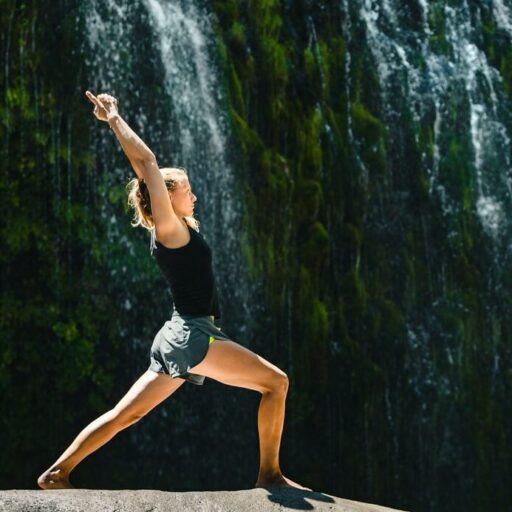
- 🤝 Fosters a Deeper Connection to Nature: When you run, hike, or practice yoga in a park, you become an active participant in that environment. You notice the changing seasons, the local wildlife, and the health of the ecosystem. This personal connection is the first step toward becoming a passionate environmental advocate.
- 💸 It’s Completely Free: No gym membership? No problem. Parks, trails, beaches, and even your own neighborhood offer endless opportunities for a fantastic workout without costing a dime.
- 🌍 Inspires Eco-Friendly Habits: Once you start appreciating your local natural spaces, you’ll be more motivated to protect them. This can lead to bigger life changes, from reducing plastic use to supporting businesses that prioritize sustainability.
🏃 ♀️ Sustainable Fitness: Choosing Eco-Friendly Workout Gear and Apparel
Let’s talk gear. The fitness apparel industry has historically relied on virgin, petroleum-based materials like polyester and nylon. But a new wave of innovative brands is changing the game. Making conscious choices about what you wear can significantly reduce your workout’s environmental impact. Check out our full Fitness Gear Reviews for more.
What to Look For in Eco-Friendly Gear
- Recycled Materials: Brands are now making high-performance fabrics from post-consumer plastic bottles (rPET), fishing nets, and other waste. This diverts trash from landfills and oceans.
- Natural & Sustainable Fibers: Look for organic cotton (which uses less water and no pesticides), Tencel™ Lyocell (made from sustainably sourced wood pulp in a closed-loop system), merino wool, and hemp.
- Ethical Production: Choose brands that are transparent about their supply chain and ensure fair labor practices. Certifications like Fair Trade or B Corp are great indicators.
- Durability: The most sustainable product is the one you don’t have to replace. Investing in high-quality, durable gear is a key principle of conscious consumerism.
Top Eco-Conscious Fitness Brands
| Brand | Key Materials | What We Love ❤️ |
|---|---|---|
| Patagonia | Recycled Polyester, Recycled Nylon, Organic Cotton, Hemp | A pioneer in sustainability and activism. Their Ironclad Guarantee means they’ll repair your gear, keeping it in use for longer. |
| Girlfriend Collective | Recycled PET (from water bottles), ECONYL® (from fishing nets) | Incredibly inclusive sizing and super transparent about their manufacturing process. Their leggings are a cult favorite for a reason! |
| Allbirds | Merino Wool, Tencel™ Lyocell, Sugarcane-based EVA foam (SweetFoam®) | Known for their ridiculously comfortable shoes, they’ve brought their sustainable ethos to activewear with soft, breathable materials. |
| tentree | Recycled Polyester, Organic Cotton, Tencel™ | For every item purchased, they plant ten trees. You can even track your impact! Their activewear is comfy and perfect for everyday movement. |
Ready to upgrade your workout wardrobe?
- 👉 Shop Patagonia on: Patagonia Official Website
- 👉 Shop Girlfriend Collective on: Girlfriend Collective Official Website
- 👉 Shop Allbirds on: Allbirds Official Website
- 👉 Shop tentree on: tentree Official Website
🌱 Green Gyms and Eco-Friendly Fitness Centers: What Are They and Why They Matter
While we love an outdoor workout, we get that sometimes a gym is necessary. The good news? The fitness industry is starting to go green! A “green gym” is a facility designed and operated with sustainability at its core.
So, what makes a gym “green”?
- ✅ Energy Generation: This is the coolest part! Brands like SportsArt have developed cardio machines (ellipticals, bikes) that harness the energy you produce and feed it back into the gym’s power grid. Your sweat literally helps keep the lights on!
- ✅ Sustainable Materials: Green gyms often feature recycled rubber flooring, bamboo paneling, low-VOC paints, and other non-toxic, eco-friendly building materials.
- ✅ Water Conservation: They install low-flow showers and toilets, use waterless urinals, and encourage members to use reusable water bottles at hydration stations.
- ✅ Waste Reduction: You’ll find comprehensive recycling and composting programs, and a ban on single-use plastics.
- ✅ Natural Light and Air: Many facilities are designed to maximize natural light, reducing the need for artificial lighting, and use advanced air filtration systems to ensure a healthy indoor environment.
By choosing a green gym, you’re voting with your wallet for a healthier fitness industry and a healthier planet.
🚴 ♂️ Active Transportation: How Biking and Walking Improve Fitness and Reduce Carbon Footprint
Who said your workout has to be a separate, scheduled event? One of the most impactful ways to integrate fitness and environmentalism into your life is through active transportation. This simply means getting around using your own power.
Think about your daily commute, your trip to the grocery store, or meeting friends for coffee. Could you walk, jog, or bike instead of drive?
The Dual Benefits of Ditching the Car
| Health Benefits ❤️ | Environmental Benefits 🌍 |
|---|---|
| Improved Cardiovascular Health: Regular walking and cycling strengthen your heart and reduce the risk of chronic diseases. | Zero Emissions: Human-powered transport produces no greenhouse gases. |
| Weight Management: It’s an easy way to burn extra calories without hitting the gym. | Reduced Traffic Congestion: Fewer cars on the road means less traffic and less idling. |
| Reduced Stress: Physical activity is a proven stress-buster, and being outdoors adds to the calming effect. | Quieter Neighborhoods: Less car traffic leads to a reduction in noise pollution. |
| Increased Muscle Strength: Cycling, in particular, is fantastic for building lower body strength. | Less Demand for Parking: Frees up valuable urban space for parks and green areas. |
Making the switch, even for just a few trips a week, adds up. It reframes exercise not as a chore, but as a practical, beneficial, and enjoyable part of your daily routine.
🥤 Hydration and Nutrition: Eco-Conscious Choices for Fitness Enthusiasts
Your commitment to an eco-friendly fitness lifestyle doesn’t stop when your workout ends. What you use to refuel and rehydrate matters—a lot.
Ditch Single-Use Plastics
The easiest and most impactful change you can make is to stop buying single-use plastic water bottles. The environmental cost of bottled water is staggering, from the fossil fuels used in production and transport to the plastic pollution choking our oceans.
Invest in a high-quality reusable bottle. It’s better for the planet and will keep your water colder for longer!
- Hydro Flask: Known for its incredible insulation and durable design.
- Klean Kanteen: A B Corp certified company offering a wide range of stainless steel bottles.
- YETI: Famous for its rugged, adventure-proof drinkware.
👉 CHECK PRICE on: Amazon | Walmart
Fueling Sustainably
The food you eat is the fuel for your performance. A diet that’s good for your body can also be good for the Earth.
- Eat More Plants: Reducing your consumption of meat and dairy is one of the most significant ways to lower your personal carbon footprint. Plant-based diets are rich in the complex carbohydrates, vitamins, and minerals your body needs to perform at its best.
- 👉 Shop Local and Seasonal: Buying produce from local farmer’s markets reduces “food miles” (the distance your food travels from farm to plate) and supports your local economy.
- Minimize Food Waste: Plan your meals, use leftovers creatively, and compost food scraps. Wasted food is a major contributor to greenhouse gas emissions.
📱 Fitness Tech and Apps That Promote Environmental Responsibility
Your smartphone can be a powerful tool for connecting your fitness routine with the natural world. Instead of letting it be a distraction, use it to enhance your outdoor adventures and track your positive impact.
- AllTrails: Your ultimate guide to the outdoors. Discover hiking, biking, and running trails near you with detailed maps, reviews, and photos from a massive community of users. It’s perfect for finding your next green workout space.
- Strava: While known for tracking runs and rides, Strava’s community features and route-planning tools can inspire you to explore new areas on foot or by bike, encouraging active transportation.
- Charity Miles: This brilliant app lets you earn money for charities every time you walk, run, or bike. You can choose to support environmental organizations like The Nature Conservancy or WWF, turning your miles into direct support for the planet.
- iNaturalist: Turn your workout into a citizen science project! Use this app to take photos of plants and animals you encounter. The community helps you identify them, and your observations contribute to a global database that helps scientists track biodiversity.
🌿 Mental Health, Nature, and Fitness: The Triple Win for You and the Earth
We’ve touched on the mental benefits of green exercise, but it’s worth diving deeper. The connection between our minds, our bodies, and our environment is a powerful, symbiotic loop. This is a core concept in our Green Living Fitness Tips.
Just as the health of a coral reef depends on the symbiotic relationship between the coral and its algae, our own well-being depends on our relationship with our environment. A study on coral fitness found that “Growth and survival… were also affected by local environmental conditions.” If the environment is unhealthy, the organism suffers. The same is true for us. Living in polluted, nature-deprived areas is linked to higher rates of stress, anxiety, and depression.
Here’s how the triple win works:
- Fitness for Mental Health: Exercise is a well-documented mood booster. It releases endorphins, reduces stress hormones, and improves sleep.
- Nature for Mental Health: Spending time in natural environments, a practice known as ecotherapy, has been shown to lower blood pressure, reduce rumination (a cycle of negative thoughts), and increase feelings of calm and well-being.
- The Combined Effect: When you combine fitness and nature, you amplify these benefits. The physical exertion enhances your sensory experience of the environment, while the natural setting makes the physical activity feel less strenuous and more enjoyable. This positive feedback loop not only improves your personal health but also strengthens your resolve to protect the natural spaces that make you feel so good.
🔄 Circular Economy in Fitness: Recycling and Upcycling Your Gear
The old model of “take, make, waste” is unsustainable. A circular economy aims to eliminate waste by keeping products and materials in use for as long as possible. How can you apply this to your fitness life?
1. Reduce and Reuse
- Buy Less, Buy Better: Instead of chasing fast-fashion activewear trends, invest in a few high-quality, durable pieces that will last for years.
- Care for Your Gear: Follow washing instructions (wash in cold water, hang dry) to extend the life of your apparel.
- Repair! A small tear in your leggings or a broken zipper on a jacket doesn’t mean it’s trash. Learn basic sewing skills or take advantage of repair programs. Patagonia’s Worn Wear program is a fantastic example, offering repairs and selling used gear to keep it in circulation.
2. Recycle
- Apparel: When your workout clothes are truly at the end of their life, don’t just toss them. Companies like Nike (Reuse-A-Shoe) and The North Face (Clothes the Loop) have take-back programs to recycle old shoes and clothing.
- Yoga Mats: Some yoga mat companies, like JadeYoga, have recycling programs. You can also repurpose old mats as shelf liners, knee pads for gardening, or pet crate liners.
3. Upcycle
Get creative!
- Old running shirts can be cut up into cleaning rags.
- A broken resistance band can be used as a sturdy plant tie.
- An old bicycle inner tube can be fashioned into DIY bungee cords.
By adopting a circular mindset, you minimize your contribution to landfills and become a more conscious consumer.
🌦️ Weather and Environment: How Climate Affects Your Fitness Routine
Our relationship with the environment isn’t a one-way street. Just as our fitness choices impact the planet, the changing climate is beginning to have a very real impact on our ability to exercise. This is a key focus of our Climate Aware Fitness coverage.
Think about it:
- Extreme Heat: Longer, more intense heatwaves can make summer workouts dangerous, forcing athletes to exercise early in the morning, late at night, or move indoors.
- Poor Air Quality: Wildfire smoke, which can travel thousands of miles, creates hazardous air quality conditions that make outdoor exertion unsafe for days or weeks at a time.
- Unpredictable Weather: More extreme weather events, from severe storms to flooding, can damage trails, parks, and other recreational areas.
This is a real-world example of how the environment alters our “fitness function.” A scientific paper on yeast genetics found that “The differences in reproductive success… can also differ among environments, because some trait values may be better suited to one environment than another.” In human terms, a run that is beneficial in a cool, clean-air environment can become detrimental in a hot, smoggy one. The “fitness value” of the activity changes with the environmental conditions.
This forces us to be more adaptable and aware. We have to check air quality indexes along with the weather forecast. We need to be more flexible with our routines, perhaps swapping a trail run for some Natural Bodyweight Exercises at home when conditions are poor. It’s a stark reminder that our personal health is directly linked to the health of our planet.
💡 Expert Tips for Integrating Fitness and Environmental Stewardship
Feeling inspired? Here are some simple, actionable steps you can take today to merge your fitness goals with a love for the planet.
- Take the “One Outdoor Workout” Pledge: Commit to doing at least one of your weekly workouts outdoors. It could be a walk, a run, a bike ride, or even just stretching in a park.
- Leave it Better: Adopt a “leave no trace” ethic for all your outdoor activities. To take it a step further, practice the “leave it better” principle by picking up a few pieces of trash you see on the trail.
- Rethink Your Commute: Look at your weekly travel. Is there one trip you could consistently make by foot or bike instead of by car? Start there.
- Perform a Gear Audit: Look at your workout clothes and equipment. What do you truly need? Before buying anything new, ask yourself if you can repair, borrow, or buy it secondhand. When you do buy new, choose a sustainable brand.
- Hydrate Responsibly: Make your reusable water bottle your constant companion. Challenge yourself to go a full month without buying a single-use beverage.
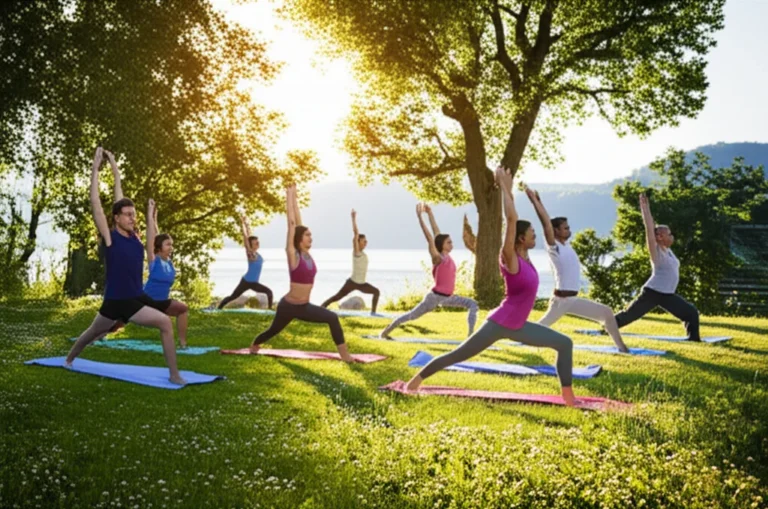
- Join a Community: Find a local running club, hiking group, or outdoor yoga class. Connecting with like-minded people will keep you motivated and accountable to both your fitness and environmental goals.
- Use Your Voice: Talk to your local gym about implementing greener practices. Support parks and public lands by volunteering or donating. Share your eco-fitness journey with friends and family.
🎯 Conclusion: Embracing Fitness as a Path to a Healthier Planet and You

What a journey! We’ve uncovered how deeply intertwined your fitness and the environment truly are. From the ancient roots of human movement in nature to cutting-edge green gyms and eco-conscious gear, the evidence is crystal clear: your fitness choices ripple far beyond your own health—they impact the planet’s well-being too.
Choosing outdoor workouts not only supercharges your mental and physical health but also fosters a profound connection to the natural world, inspiring you to protect it. Sustainable gear choices, active transportation, and mindful hydration and nutrition amplify this positive impact. Meanwhile, adapting to climate realities reminds us that environmental health and personal fitness are inseparable.
Remember the microbial studies and coral symbiosis research we touched on? They reveal a fundamental truth: fitness is not just a static trait but a dynamic interaction between organism and environment. Your own fitness thrives best when your environment supports it—and your actions can help shape that environment for the better.
So, what’s the takeaway? Start small but think big. Swap one indoor workout for a trail run. Choose recycled leggings. Bike to work once a week. Join a local green fitness community. Every step you take is a vote for a healthier you and a healthier planet.
At Fitness and Nature™, we wholeheartedly recommend embracing this eco-fitness lifestyle. It’s not just a trend—it’s a movement toward holistic well-being that honors both your body and the Earth.
🔗 Recommended Links for Eco-Friendly Fitness Resources
Ready to gear up sustainably and deepen your eco-fitness journey? Here are some top picks:
-
Patagonia Activewear:
Patagonia Official Website | Amazon Search: Patagonia Activewear -
Girlfriend Collective Leggings:
Girlfriend Collective Official Website | Amazon Search: Girlfriend Collective -
Allbirds Activewear and Footwear:
Allbirds Official Website | Amazon Search: Allbirds -
tentree Sustainable Apparel:
tentree Official Website -
Hydro Flask Water Bottles:
Hydro Flask Official Website | Amazon Search: Hydro Flask -
Klean Kanteen Bottles:
Klean Kanteen Official Website | Amazon Search: Klean Kanteen -
YETI Drinkware:
YETI Official Website | Amazon Search: YETI
Must-Reads on Fitness and Environment
-
“The Nature Fix: Why Nature Makes Us Happier, Healthier, and More Creative” by Florence Williams
Amazon Link -
“No Impact Man: The Adventures of a Guilty Liberal Who Attempts to Save the Planet” by Colin Beavan
Amazon Link -
“Green Exercise: Linking Nature, Health and Wellbeing” edited by Jules Pretty, Jo Barton, and Mike Rogerson
Amazon Link
❓ FAQ: Your Burning Questions on Fitness and the Environment Answered

How can community fitness programs promote environmental stewardship?
Community fitness programs can be powerful platforms for environmental education and action. By organizing outdoor group workouts, trail clean-ups, or “plogging” events (jogging while picking up litter), these programs foster a sense of collective responsibility. They create social bonds that reinforce eco-friendly behaviors and amplify impact. Additionally, community programs can advocate for better access to green spaces and sustainable infrastructure, making it easier for everyone to engage in eco-conscious fitness.
What are some examples of fitness activities that have a minimal environmental impact?
- Walking and Running Outdoors: No equipment needed, zero emissions.
- Cycling: Especially when replacing car trips, it reduces carbon footprint.
- Bodyweight Exercises: Performed at home or in parks, requiring no machines or electricity.
- Yoga and Pilates: When practiced outdoors or on sustainable mats, they have minimal impact.
- Swimming in Natural Waters: Lakes, oceans, or rivers, provided local ecosystems are respected.
How can fitness initiatives contribute to environmental conservation and sustainability efforts?
Fitness initiatives can raise awareness about environmental issues by integrating education into programming. They can partner with conservation groups to support habitat restoration or fundraising. By promoting sustainable practices—like using reusable water bottles, reducing waste, and choosing eco-friendly gear—fitness initiatives model responsible behavior. Some even design workouts that directly benefit the environment, such as trail maintenance or invasive species removal.
What role does eco-friendly fitness equipment play in promoting a healthier planet?
Eco-friendly fitness equipment reduces the environmental footprint of workouts by using sustainable materials, energy-efficient designs, and circular economy principles (repair, reuse, recycle). For example, energy-generating cardio machines turn your workout into clean electricity, while recycled fabrics reduce waste. By choosing such equipment, consumers drive demand for greener manufacturing and help shift the entire industry toward sustainability.
How does access to green spaces and natural environments impact overall fitness levels and well-being?
Access to green spaces encourages more frequent and longer physical activity sessions by providing pleasant, safe, and stimulating environments. Nature exposure reduces stress, improves mood, and enhances cognitive function, making exercise more enjoyable and sustainable. Studies have shown that people living near parks or trails are more likely to meet recommended physical activity levels, contributing to better overall health.
In what ways can sustainable fitness practices reduce our carbon footprint?
Sustainable fitness practices reduce carbon emissions by minimizing reliance on fossil fuels (e.g., choosing active transport over driving), reducing waste (e.g., reusable gear and bottles), and supporting eco-friendly products and services. They also encourage behaviors that conserve resources, such as exercising outdoors instead of in energy-intensive gyms, and selecting plant-based nutrition that requires fewer environmental inputs.
What are the benefits of outdoor fitness activities for both personal health and environmental awareness?
Outdoor fitness enhances cardiovascular health, muscular strength, and mental well-being more than indoor exercise for many people. It fosters a direct connection with nature, increasing environmental awareness and motivation to protect natural spaces. This dual benefit creates a positive feedback loop where improved health supports environmental stewardship, and a healthy environment supports human health.
How does environmental pollution affect physical fitness and exercise performance?
Pollution—especially air pollution—can impair lung function, reduce oxygen uptake, and increase inflammation, all of which negatively affect exercise capacity and recovery. Exercising in polluted environments can exacerbate respiratory conditions like asthma and increase cardiovascular risks. This underscores the importance of clean air initiatives and choosing workout times and locations with better air quality.
What is fitness and how is it related to natural selection and ecology?
In biology, fitness refers to an organism’s ability to survive and reproduce in its environment. It is a measure of how well an organism’s traits suit its ecological niche. Natural selection favors individuals with higher fitness, leading to the evolution of populations. Fitness is environment-dependent; a trait beneficial in one environment may be detrimental in another, illustrating the importance of genotype-by-environment interactions.
Does environment affect physical health?
Absolutely. Environmental factors such as air and water quality, access to green spaces, climate, and pollution levels directly influence physical health. Clean, supportive environments promote better respiratory, cardiovascular, and mental health, while degraded environments increase disease risk and limit opportunities for physical activity.
Read more about “Is the Beach Really a Place for Healing? Discover Why in 2025 🌊”
How is fitness relative to the environment an organism is in?
Fitness is context-dependent. An organism’s fitness is determined by how well its traits allow it to survive and reproduce in its specific environment. Changes in the environment can alter which traits are advantageous, leading to shifts in fitness. This dynamic relationship is central to adaptation and evolution.
Read more about “Why Is It Important to Exercise in Nature? 7 Surprising Benefits (2025) 🌿”
What 4 environmental factors influence a person’s fitness level?
- Air Quality: Poor air quality can impair respiratory function.
- Access to Green Spaces: Encourages physical activity and reduces stress.
- Climate and Weather: Extreme conditions can limit safe exercise opportunities.
- Pollution Exposure: Chemicals and toxins can negatively affect health and performance.
What are some examples of environmental fitness?
Environmental fitness can refer to how well an organism is adapted to its environment. Examples include:
- Polar bears’ thick fur and fat layers for Arctic survival.
- Desert plants’ ability to conserve water.
- Human acclimatization to high altitudes improving oxygen utilization.
Read more about “What are some examples of environmental fitness?”
What is fitness in environment?
Fitness in an environment is the degree to which an organism’s characteristics enable it to survive, reproduce, and pass on genes in that particular setting. It is a measure of evolutionary success shaped by ecological interactions.
Read more about “What is fitness in environment?”
📚 Reference Links and Further Reading
- Frontiers in Genetics: Microbial Adaptation and Fitness
- PLOS ONE: Coral Fitness and Symbiont Interactions
- Nature Ecology & Evolution: Plasticity and Environment-Specific Relationships Between Gene Expression and Fitness
- Patagonia: Sustainable Activewear
- Girlfriend Collective: Eco-Friendly Leggings
- Allbirds: Sustainable Footwear and Apparel
- tentree: Eco Apparel with a Purpose
- Hydro Flask: Reusable Water Bottles
- Klean Kanteen: Sustainable Drinkware
- YETI: Durable Outdoor Drinkware
For more insights on the fascinating interplay between genetics, environment, and fitness, check out the Nature article on Plasticity and environment-specific relationships between gene expression and fitness.
Thanks for joining us on this deep dive into how fitness and the environment are two sides of the same coin. Ready to lace up your shoes and step into a greener, healthier future? We thought so! 🌿💪