Support our educational content for free when you purchase through links on our site. Learn more
Fitness and Nature: 15 Ways to Thrive Outdoors in 2025 🌿💪

Imagine trading the hum of fluorescent gym lights for the rustle of leaves and the scent of pine. What if your next workout not only sculpted your body but also boosted your mood, sharpened your mind, and supercharged your immune system—all while reconnecting you with the natural world? At Fitness and Nature™, we’ve uncovered the science, stories, and secrets behind why moving outdoors is the ultimate fitness hack.
Did you know that spending just 20 minutes in nature can lower your cortisol levels and increase your natural killer immune cells? Or that trail running can burn up to 15% more calories than treadmill running? In this comprehensive guide, we’ll take you on a wild journey through the benefits of outdoor fitness, the best activities to try, how to gear up smartly and sustainably, and even how to bring the power of nature into your daily urban life. Plus, we share personal tales from our team that might just inspire your next adventure.
Ready to embrace your wild side and transform your health? Keep reading to discover how fitness and nature combine to create a holistic, joyful, and effective wellness experience.
Key Takeaways
- Nature amplifies fitness benefits by increasing calorie burn, improving balance, and boosting immune function through exposure to phytoncides.
- Outdoor workouts reduce stress and enhance mood more effectively than indoor exercise, thanks to natural light and sensory engagement.
- Varied activities—from trail running to forest bathing—offer options for all fitness levels and interests.
- Proper gear and safety knowledge are essential for maximizing enjoyment and minimizing risks in outdoor fitness.
- Incorporating nature into daily life, even in urban settings, supports mental and physical well-being.
- Accessibility and motivation hacks ensure everyone can benefit from fitness in nature, regardless of obstacles.
Curious about which activities best suit your lifestyle or how to start your own nature fitness journey? Dive into our detailed sections for expert tips, gear recommendations, and inspiring stories that will get you moving outside today!
Table of Contents
- ⚡️ Quick Tips and Facts
- 🌿 The Roots of Wellness: A Journey Through Fitness and Nature’s Timeless Bond
- 💚 Why Mother Nature is Your Best Personal Trainer: Unpacking the Benefits
- 🏞️ Your Wild Gym: Top Activities to Embrace the Great Outdoors
- 🎒 Gearing Up for Green Adventures: Essential Kit and Smart Choices
- 👟 Footwear Fundamentals: Choosing Your Trail Companions
- 🌦️ Layering Like a Pro: Dressing for Dynamic Weather
- 💧 Hydration Heroes: Water Bottles and Filtration Systems
- 🧭 Navigation Know-How: Maps, Apps, and Compass Skills
- 🚨 Safety First: First Aid Kits and Emergency Preparedness
- ♻️ Eco-Conscious Gear: Sustainable Brands We Love
- ☀️ Mastering the Elements: Weather Wisdom and Outdoor Safety
- 🍎 Fueling Your Outdoor Feats: Nutrition for Nature Enthusiasts
- 🏡 Bringing Nature Home: Integrating Green Wellness into Daily Life
- 🔬 The Science Behind the Serenity: Biophilia and Beyond
- 🚧 Overcoming Obstacles: Making Nature Fitness Accessible for Everyone
- 👨 👩 👧 👦 Fitness and Nature for Families: Growing Up Wild and Well
- 🗣️ Our Personal Journeys: Real Stories from the Fitness and Nature™ Team
- ✅ Conclusion: Embrace Your Wild Side, Transform Your Life
- 🔗 Recommended Links: Your Gateway to More Green Adventures
- 📚 Reference Links: The Science That Backs Our Claims
Body
⚡️ Quick Tips and Facts
Welcome, adventurers! Before we dive deep into the lush world where fitness meets Mother Nature, here are some juicy tidbits to get your chlorophyll flowing. We, the team at Fitness and Nature™, live and breathe this stuff, and we’re thrilled to share our passion with you.
- Boost Your Mood, Naturally: Spending just 20 minutes outdoors can boost your mood and vitality. Natural sunlight helps your body produce Vitamin D, which is essential for bone health and immune function, and it also triggers the release of serotonin, a hormone that can improve your mood.
- Burn More, Feel Better: Think that treadmill is the ultimate calorie torcher? Think again! A 30-minute outdoor run can burn up to 15% more calories than the same time on a treadmill, thanks to wind resistance and varied terrain.
- The Green Effect: Exercising in nature has been shown to lower blood pressure and reduce levels of the stress hormone cortisol faster than indoor workouts. This is what we call “The Green Effect”—it’s like medicine for stress!
- Stick With It: People who exercise outside are reportedly twice as likely to stick to their fitness routines. Why? Because it’s just more fun! The constantly changing scenery keeps things from getting stale.
- Immune System Power-Up: Trees and plants release airborne chemicals called phytoncides to protect themselves from insects and disease. When you breathe these in, your body responds by increasing the number and activity of your natural killer (NK) cells, which are vital for fighting off infections and even tumor cells.
Ready to trade fluorescent lights for sunshine? Let’s explore how to make the great outdoors your personal gym. And if you’re looking for immediate inspiration, check out our guide to 10 Amazing Fitness and Nature Examples to Try in 2025 🌿💪.
🌿 The Roots of Wellness: A Journey Through Fitness and Nature’s Timeless Bond
Long before the first dumbbell was ever forged, and centuries before the concept of a “gym” even existed, humanity’s fitness routine was simply… life. Our ancestors didn’t need a scheduled spin class; their cardio was chasing down dinner or migrating across vast landscapes. Their strength training? Building shelters, climbing trees, and carrying resources.
This isn’t just a romantic notion—it’s coded into our DNA. The Biophilia hypothesis, a term popularized by biologist Edward O. Wilson, suggests that humans have an innate tendency to seek connections with nature and other forms of life. This deep-seated need is a relic of our evolutionary past, where survival was directly linked to our ability to understand and interact with the natural world.
Think about it: for 99% of human history, we lived in and among nature. Our bodies and minds evolved to thrive in outdoor environments. The sterile, enclosed boxes where many of us now spend our days are a very recent, and arguably unnatural, development. Reconnecting with outdoor fitness isn’t a new trend; it’s a return to our roots. It’s about honoring the fundamental, biological connection that has shaped us for millennia.
💚 Why Mother Nature is Your Best Personal Trainer: Unpacking the Benefits
So, you’re intrigued by the idea of swapping your gym membership for a park pass. But what are the real, tangible benefits? As fitness professionals who’ve spent countless hours training both indoors and out, we can tell you the difference is profound. Let’s break down why nature is the ultimate personal trainer.
1. 💪 The Physical Payoff: Stronger Body, Sharper Mind
Nature doesn’t do uniform. Unlike the predictable surface of a treadmill or the smooth floor of a studio, the great outdoors is full of surprises.
- Functional Strength: Running on a trail with its roots, rocks, and inclines forces your body to constantly adapt. You engage dozens of small stabilizing muscles in your ankles, knees, and core that a machine simply can’t target. This builds functional strength—strength that translates directly to real-world movements and helps prevent injuries.
- Increased Caloric Burn: Wind resistance, changing inclines, and temperature variations all force your body to work harder. That’s why outdoor exercise often burns more calories than its indoor equivalent.
- Improved Balance and Proprioception: Navigating uneven terrain hones your body’s proprioception—its ability to sense its position in space. This leads to better balance, coordination, and agility.
2. 🧘 ♂️ Mental Oasis: Stress Reduction and Mood Boost
The mental health benefits of “green exercise” are perhaps the most compelling. Numerous studies have shown that spending time in natural environments can significantly reduce stress, anxiety, and depression.
- Cortisol Crusher: As mentioned in the featured video, outdoor exercise is a fantastic way to lower cortisol levels. Research confirms that exposure to natural environments can lead to a significant decrease in this primary stress hormone.
- Attention Restoration: The modern world bombards us with stimuli, leading to mental fatigue. According to Attention Restoration Theory (ART), natural environments engage our “soft fascination,” allowing our directed attention to rest and recover. This is why a walk in the park can leave you feeling refreshed and mentally sharper.
- Mood Elevation: Exposure to nature has been shown to increase positive emotions and decrease negative ones. It’s a powerful, natural antidepressant that’s free and accessible to almost everyone.
3. 💖 Emotional Equilibrium: Finding Your Zen Outdoors
Beyond just boosting your mood, connecting with nature can foster a deeper sense of emotional well-being. It provides a space for reflection and a sense of perspective that’s hard to find amidst the hustle of daily life. The sheer scale and timelessness of a forest or a mountain range can make our own worries seem smaller and more manageable.
4. ✨ Spiritual Connection: Beyond the Gym Walls
For many, spending time in nature is a spiritual practice. It fosters a sense of connection to something larger than oneself. This isn’t about religion, but about awe, wonder, and a feeling of being part of an intricate, living system. This sense of connection can be incredibly grounding and fulfilling.
5. 🛡️ The Immune System’s Secret Weapon: Nature’s Pharmacy
This is where things get really fascinating. The air in natural environments, especially forests, is filled with beneficial compounds.
- Phytoncides: As we touched on earlier, these airborne chemicals released by plants have been shown to boost the activity of our Natural Killer (NK) cells. These are a type of white blood cell that plays a critical role in our immune response, targeting virus-infected cells and tumors. So, a walk in the woods is literally a breath of fresh, immune-boosting air!
- Healthy Microbiome: Emerging science highlights the incredible importance of a diverse gut microbiome for overall health and fitness. A study published in Nature on mice revealed a “gut-germline axis,” where disruptions to the father’s gut microbiome led to negative fitness outcomes in their offspring, such as lower birth weight and increased mortality. While this research is in its early stages, it points to a profound idea: our environment, which shapes our microbiome, can have multi-generational impacts on fitness. Exposure to the diverse microbes in natural soil and air is a fantastic way to support a robust and healthy microbiome.
🏞️ Your Wild Gym: Top Activities to Embrace the Great Outdoors
Ready to get started? The beauty of nature’s gym is its variety. There’s an activity for every fitness level and interest. Here are a few of our team’s favorites:
1. 🏃 ♀️ Trailblazing Adventures: Hiking and Trail Running
This is the quintessential fitness and nature combo. Whether you’re going for a gentle hike or a heart-pounding trail run, you’re getting a fantastic cardiovascular workout while strengthening your entire lower body and core.
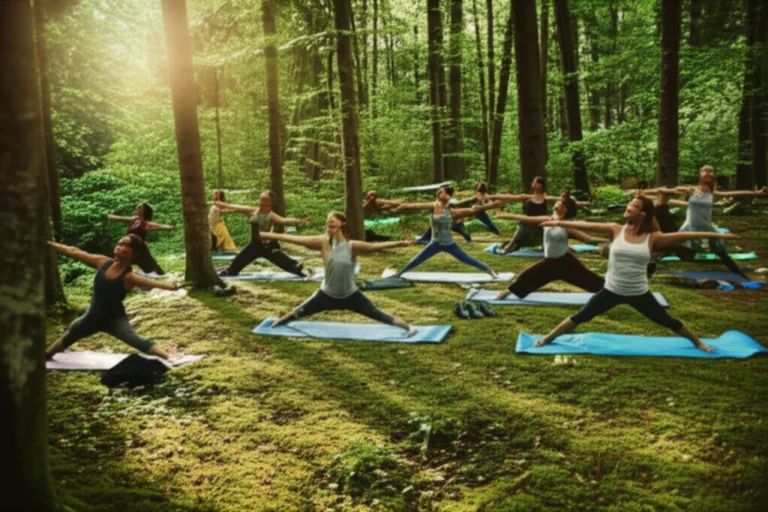
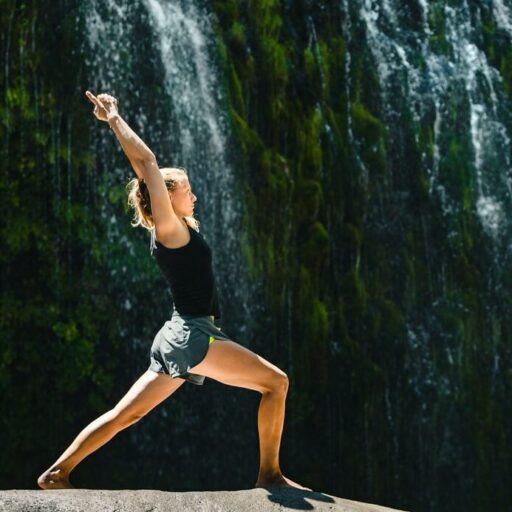
2. 🧘 ♀️ Serenity in the Open Air: Outdoor Yoga and Meditation
Take your practice to the next level. Feeling the grass beneath your feet during downward dog or listening to the sound of birds during Savasana adds a powerful grounding element. Check out our Green Living Fitness Tips for more ideas on mindful movement.
3. 🌊 Water Wonders: Kayaking, Paddleboarding, and Wild Swimming
Water-based activities are amazing for a low-impact, full-body workout. Kayaking and paddleboarding build incredible upper body and core strength, while wild swimming is a refreshing and exhilarating cardio challenge.
4. 🚴 ♂️ Pedal Power: Cycling Through Scenic Routes
Whether on a mountain bike or a road bike, cycling is a fantastic way to cover more ground and see incredible scenery while getting a killer leg workout.
5. 🌱 Grounding Your Roots: Gardening as a Full-Body Workout
Don’t underestimate the physical demands of gardening! Digging, planting, weeding, and carrying supplies is a surprisingly effective full-body workout that also rewards you with fresh produce or beautiful flowers.
6. 🌲 The Art of Forest Bathing (Shinrin-Yoku): A Sensory Journey
Originating in Japan, Shinrin-yoku, or forest bathing, is less about exercise and more about mindful immersion in the forest atmosphere. It involves walking slowly and engaging all your senses. The health benefits, including reduced stress and boosted immunity, are well-documented. Dive deeper into the Forest Bathing Benefits on our site.
7. 🧗 ♀️ Climbing New Heights: Bouldering and Rock Climbing
For a true test of strength, flexibility, and problem-solving, nothing beats climbing. Outdoor bouldering and rock climbing challenge your body and mind in ways a climbing gym can’t replicate. It’s you, the rock, and a stunning view.
🎒 Gearing Up for Green Adventures: Essential Kit and Smart Choices
Having the right gear can be the difference between a joyful adventure and a miserable slog. But don’t worry, you don’t need to spend a fortune to get started. Here’s our breakdown of the essentials, with a focus on quality and sustainability. For in-depth analysis, head over to our Fitness Gear Reviews.
👟 Footwear Fundamentals: Choosing Your Trail Companions
Your feet are your foundation, so treat them right!
- Hiking Boots: Offer ankle support and are great for rugged terrain and carrying a heavy pack. Brands like Merrell and Salomon are classics for a reason.
- Trail Runners: Lighter and more flexible than boots, perfect for moving fast on less technical trails. Look at brands like HOKA and Altra.
- Hiking Sandals: Ideal for water crossings and hot weather. Chaco and Teva are go-to options.
✅ Pro Tip: Always try on footwear at the end of the day when your feet are slightly swollen. And never, ever wear brand new boots on a long hike! Break them in first.
🌦️ Layering Like a Pro: Dressing for Dynamic Weather
Weather in the wild can change in a heartbeat. The key is layering.
- Base Layer: Wicks sweat away from your skin. Look for merino wool (like from Smartwool) or synthetic fabrics. ❌ Avoid cotton—it holds moisture and can make you cold.
- Mid Layer: Provides insulation. A fleece jacket or a puffy vest works perfectly.
- Outer Layer (Shell): Protects you from wind and rain. A waterproof, breathable jacket from a brand like Arc’teryx or Patagonia is a worthwhile investment.
💧 Hydration Heroes: Water Bottles and Filtration Systems
Staying hydrated is non-negotiable.
- Water Bottles/Reservoirs: A durable Nalgene bottle is a classic, while a hydration reservoir (like a CamelBak or Osprey) allows for easy sipping on the move.
- Water Filters: For longer trips, a filter is essential. The Sawyer Squeeze is a lightweight, popular, and affordable option.
🧭 Navigation Know-How: Maps, Apps, and Compass Skills
Don’t rely solely on your phone!
- Apps: AllTrails and Gaia GPS are fantastic for planning and tracking your route.
- Analog Tools: Always carry a physical map of the area and a compass, and—more importantly—know how to use them. Technology can fail.
🚨 Safety First: First Aid Kits and Emergency Preparedness
Be prepared for minor scrapes and unexpected situations. You can buy pre-made kits from brands like Adventure Medical Kits or build your own. Essentials include bandages, antiseptic wipes, blister treatment, pain relievers, and any personal medications.
♻️ Eco-Conscious Gear: Sustainable Brands We Love
As lovers of nature, it’s crucial we support brands that are working to protect it.
| Brand | What We Love About Them |
|---|---|
| Patagonia | A pioneer in sustainability, they use recycled materials, donate 1% of sales to environmental causes, and offer a robust repair program. |
| Cotopaxi | A certified B-Corp, they are known for their “Gear for Good” slogan and allocate a percentage of revenue to nonprofits. |
| Osprey | They are focused on creating durable packs that last a lifetime and are increasing their use of recycled and bluesign® approved materials. |
| NEMO Equipment | This brand is fully PFAS-free and has a line of fully recyclable sleeping bags and backpacks. |
👉 Shop Sustainable Brands on: Amazon | REI
☀️ Mastering the Elements: Weather Wisdom and Outdoor Safety
Part of the thrill of outdoor fitness is its unpredictability. But being prepared for the elements is key to staying safe and comfortable. This is a core tenet of our Climate Aware Fitness philosophy.
☁️ Reading the Sky: Understanding Forecasts and Microclimates
- Check Before You Go: Always check the detailed forecast for the specific area you’re heading to, especially if you’re going into the mountains where weather can be drastically different from the valley.
- Look for Changes: Pay attention to the sky. Darkening clouds, a sudden drop in temperature, or an increase in wind can all signal an approaching storm.
🌎 Leave No Trace: Protecting Our Playgrounds
The golden rule of the outdoors: leave it better than you found it. The Leave No Trace framework provides seven core principles to minimize our impact.
- Plan Ahead and Prepare: Know the regulations of the area you’re visiting.
- Travel and Camp on Durable Surfaces: Stick to existing trails to avoid damaging vegetation.
- Dispose of Waste Properly: Pack it in, pack it out. This includes food scraps like orange peels and apple cores.
- Leave What You Find: Let others enjoy the beauty of natural objects. Don’t pick wildflowers or take rocks.
- Minimize Campfire Impacts: Use a camp stove for cooking. If you must have a fire, use an existing fire ring and make sure it’s completely out before you leave.
- Respect Wildlife: Observe animals from a distance. Never feed them.
- Be Considerate of Other Visitors: Let nature’s sounds prevail. Avoid loud noises and yield to others on the trail.
🦊 Wildlife Encounters: Respecting Our Wild Neighbors
Seeing wildlife is a magical part of being outdoors. Keep it that way by following these guidelines:
- Keep Your Distance: Use binoculars or a zoom lens for a closer look.
- Never Feed Wildlife: It harms their health, alters their natural behaviors, and can make them aggressive.
- Store Food Securely: In areas with bears or other large animals, use bear canisters or designated storage lockers to secure your food and scented items.
🧴 Sun Smarts: UV Protection and Hydration in the Heat
- Sunscreen: Apply a broad-spectrum sunscreen liberally and reapply often, especially if you’re sweating.
- Cover Up: A wide-brimmed hat and UPF-rated clothing provide excellent protection.
- Hydrate, Hydrate, Hydrate: Drink water before you feel thirsty. On hot days, add an electrolyte supplement to your water to replenish lost salts.
❄️ Cold Comfort: Staying Warm and Safe in Chilly Climates
- Layer Up: Follow the layering principles mentioned in the gear section.
- Stay Dry: Moisture is your enemy in the cold. Your base layer should wick sweat, and your outer layer should keep out snow and rain.
- Fuel Your Furnace: Your body burns more calories in the cold to stay warm. Keep snacking to provide your internal furnace with fuel.
🍎 Fueling Your Outdoor Feats: Nutrition for Nature Enthusiasts
What you eat before, during, and after your outdoor adventures can make a huge difference in your performance and recovery. Here’s how to fuel up for success.
⚡ Pre-Adventure Power-Ups: What to Eat Before You Go
About 1-2 hours before you head out, aim for a meal rich in complex carbohydrates with a moderate amount of protein. This will top off your energy stores without sitting heavily in your stomach.
- Good choices: Oatmeal with berries and nuts, a whole-grain tortilla with banana and nut butter, or scrambled eggs with a side of sweet potatoes.
- What to avoid: High-fat or overly processed foods, which can be hard to digest and leave you feeling sluggish.
🍫 On-the-Go Energy: Trail Snacks and Hydration Strategies
For activities lasting longer than 90 minutes, you’ll need to refuel on the move. The goal is to consume easily digestible carbohydrates to maintain your energy levels.
- How much? A common guideline for endurance activities is to aim for 30-60 grams of carbohydrates per hour. For very long or intense efforts, this can go up to 90 grams per hour.
- Snack Ideas:
- Dried fruit (apricots, dates)
- Energy bars (look for ones with whole-food ingredients like Clif Bars or ProBars)
- Energy gels or chews for a quick boost
- Trail mix (a classic for a reason!)
- A simple sandwich or wrap
💪 Post-Adventure Recovery: Replenishing Your Body
What you eat after your workout is just as important! Aim to have a recovery meal within an hour of finishing. This meal should contain both carbohydrates to replenish your muscle glycogen stores and protein to repair and rebuild muscle tissue.
- The Golden Ratio: A carbohydrate-to-protein ratio of 3:1 or 2:1 is often recommended for optimal recovery.
- Recovery Meal Ideas:
- Chocolate milk (the perfect natural recovery drink!)
- A smoothie with fruit, yogurt or protein powder, and spinach
- Grilled chicken or fish with quinoa and roasted vegetables
- A hearty bean and rice burrito
🏡 Bringing Nature Home: Integrating Green Wellness into Daily Life
We get it—not everyone can escape to a national park every weekend. But the good news is you don’t need epic landscapes to reap the benefits of nature. You can weave green wellness into your daily life, even in the heart of a bustling city.
🏙️ Urban Oases: Finding Green Spaces in the City
Cities are often greener than we think. Make it a mission to discover the natural pockets in your neighborhood.
- Public Parks: The most obvious choice, parks are perfect for a quick walk, an outdoor workout, or just sitting on a bench and decompressing.
- Community Gardens: These shared plots are fantastic community hubs and offer a chance to get your hands dirty.
- Pocket Parks: Keep an eye out for these small-scale green spaces, often tucked into vacant lots or between buildings.
- Greenways and Trails: Many cities are converting old railway lines or riverbanks into green corridors perfect for walking, running, and cycling.
🪴 Indoor Nature: Plants, Light, and Biophilic Design
If you can’t go to nature, bring nature to you. This is the core idea behind biophilic design, which involves incorporating natural elements into our built environments.
- Houseplants: Adding plants to your home or office can improve air quality and boost your mood.
- Natural Light: Maximize the natural light in your space by opening blinds and positioning your desk or workout area near a window.
- Natural Materials: Using materials like wood, stone, and natural fibers in your decor can create a more calming and grounded atmosphere.
🚶 ♀️ Mindful Moments: Short Bursts of Outdoor Connection
You don’t need hours to connect with nature. Even small doses can make a big impact.
- Take your lunch break outside.
- Walk barefoot in the grass for a few minutes (this is called “grounding” or “earthing”).
- Pay attention to the nature you can see from your window—the clouds, a tree, a bird.
- Step outside first thing in the morning to take a few deep breaths of fresh air.
🔬 The Science Behind the Serenity: Biophilia and Beyond
The feeling of well-being we get from nature isn’t just in our heads; it’s a measurable, physiological response rooted in our biology. Let’s geek out for a minute and look at the science.
🧬 The Biophilia Hypothesis: Our Innate Connection to Life
As we mentioned earlier, the Biophilia Hypothesis proposes that we have an inherent biological need to connect with nature. This isn’t just a preference; it’s a fundamental part of our human makeup, shaped by millennia of evolution. Research supports this, showing that exposure to natural environments consistently leads to increased positive emotions and decreased negative ones.
📉 Cortisol Levels and Green Spaces: The Stress-Busting Effect
One of the most robust findings in nature therapy research is its effect on stress.
- The Evidence: Multiple studies and meta-analyses have found that spending time in natural environments, particularly forests, leads to a significant reduction in the concentration of cortisol, the body’s primary stress hormone.
- How it Works: This is believed to be an effect of our autonomic nervous system. Nature exposure tends to decrease activity in the sympathetic nervous system (our “fight-or-flight” response) and increase activity in the parasympathetic nervous system (our “rest-and-digest” response), promoting a state of calm.
🦠 Immune System Boost: Phytoncides and NK Cells
This is one of the most exciting areas of research.
- What are Phytoncides? They are antimicrobial volatile organic compounds released by plants and trees to protect themselves from pests and pathogens. Common examples include alpha-pinene and d-limonene.
- The NK Cell Connection: Studies, pioneered by Dr. Qing Li in Japan, have shown that inhaling these phytoncides can significantly increase the number and activity of Natural Killer (NK) cells in humans.
- Why it Matters: NK cells are a crucial part of our innate immune system. They are our first line of defense against virus-infected cells and are also involved in detecting and destroying tumor cells. The fact that a simple walk in the woods can enhance this vital function is nothing short of remarkable.
🚧 Overcoming Obstacles: Making Nature Fitness Accessible for Everyone
We know that life can get in the way. Time, money, motivation, and physical ability can all feel like barriers to getting outside. But we believe that nature is for everyone. Here are some solutions to common hurdles.
⏰ Time Crunch Solutions: Micro-Adventures and Lunch Break Escapes
Don’t have a full day to spare? No problem.
- Micro-Adventures: The concept is simple: short, local, and cheap adventures. A sunset hike at a local hill, a paddle on a nearby lake after work, or even just sleeping in your backyard.
- Workout Stacking: Break up your workout. A 15-minute walk in the morning, a quick session of Natural Bodyweight Exercises in a park at lunch, and another 15-minute walk in the evening. It all adds up!
💰 Budget-Friendly Bliss: Free Outdoor Activities
Nature’s gym is the most affordable fitness center there is.
- Walking, Hiking, and Running: All you need is a decent pair of shoes.
- Bodyweight Workouts: Parks are full of natural equipment. Use a bench for push-ups and dips, a sturdy branch for pull-ups, or just use the open space for squats, lunges, and burpees.
- Borrow or Buy Used: You don’t need brand-new gear. Check out secondhand stores or gear libraries to get started.
🎯 Motivation Hacks: Finding Your Tribe and Setting Goals
- Find a Buddy: Everything is more fun with a friend. Having someone to hold you accountable makes it much more likely you’ll stick with it.
- Join a Group: Look for local hiking, running, or cycling clubs.
- Set a Goal: Sign up for a 5k trail race or plan a challenging hike. Having something to work towards is a powerful motivator.
♿ Accessibility for All: Inclusive Trails and Adaptive Gear
The outdoors should be accessible to people of all abilities.
- Accessible Trails: Many parks now offer paved or hard-packed trails that are suitable for wheelchairs and strollers. Websites like AllTrails often have filters for accessible trails.
- Adaptive Gear: The world of adaptive outdoor gear is incredible and constantly growing. From off-road handcycles and beach wheelchairs to adaptive paddles and sit-skis, innovative equipment is making it possible for everyone to adventure. Brands like Enabling Technologies (adaptive skis) and companies like Creating Ability (adaptive paddling gear) are leading the way.
👉 Shop Adaptive Gear:
- Be Adaptive Equipment Inc.: Official Website
- Adaptivemall.com: Official Website
- Allie’s Adaptations: Official Website
👨 👩 👧 👦 Fitness and Nature for Families: Growing Up Wild and Well
Instilling a love for the outdoors in children is one of the greatest gifts you can give them. It sets them up for a lifetime of health, curiosity, and connection to the natural world. But as any parent knows, getting kids excited about a long walk can sometimes be… a challenge.
🤸 ♀️ Engaging Kids Outdoors: Fun Activities for All Ages
The secret? Make it an adventure, not a chore.
- Start Small: Choose short, easy trails with interesting features like a stream, a waterfall, or cool rocks. The goal is a positive first experience.
- Make it a Game: Turn your hike into a scavenger hunt or a game of “I Spy.” Have them look for different colors, textures, or signs of wildlife.
- Involve Them in Planning: Let them help pick the trail on a map or choose the snacks to pack. This gives them a sense of ownership.
- Gear Them Up: A small backpack, a kid-friendly water bottle, or a pair of binoculars can make them feel like real explorers.
- Snacks are Superpowers: Never underestimate the motivational power of a good snack. Pack plenty and plan for frequent breaks.
🌟 Building Lifelong Habits: The Power of Early Exposure
Regularly exposing children to nature helps build confidence, resilience, and a deep appreciation for the environment. It teaches them to be comfortable with challenges and to find joy and wonder in the world around them. These early experiences create a foundation for a healthy, active lifestyle and a lasting bond with the great outdoors.
🗣️ Our Personal Journeys: Real Stories from the Fitness and Nature™ Team
We don’t just write about this stuff—we live it. Here are a couple of quick stories from our team that illustrate the transformative power of combining fitness and nature.
From Maya, our lead fitness trainer: “I used to be a total gym rat. I was all about the numbers—lifting heavier, running faster on the treadmill. But I felt burnt out. On a whim, I joined a friend for a trail run. It was muddy, tough, and I was slower than on the treadmill, but I felt… alive. I was so focused on navigating the trail and taking in the incredible forest scenery that I forgot I was even ‘working out.’ That run changed everything for me. Now, the trails are my sanctuary and my gym. It’s where I find both my strength and my peace.”
From Ben, our head of design: “As a designer, I spend a lot of time in front of a screen. A few years ago, I was struggling with creative block and feeling constantly stressed. I started taking 30-minute walks in a nearby park during my lunch breaks. I didn’t listen to music or podcasts; I just walked and paid attention to the trees, the light, the sounds. It was like hitting a reset button on my brain. Not only did my stress levels plummet, but my best creative ideas started coming to me during those walks. That daily dose of green is now a non-negotiable part of my workday and my well-being.”
Conclusion: Embrace Your Wild Side, Transform Your Life

What a journey we’ve been on together! From uncovering the deep evolutionary roots of our connection to nature, to exploring the science-backed benefits of outdoor exercise, to practical tips on gear, nutrition, and accessibility — it all boils down to one powerful truth: fitness and nature are a match made in heaven.
If you’ve ever wondered whether trading your treadmill for a trail run or your gym mat for a patch of grass is worth it, the answer is a resounding YES. The physical benefits are undeniable — stronger muscles, better balance, and increased calorie burn. The mental perks? Stress melts away, mood lifts, and your immune system gets a natural boost from the very air you breathe. Plus, the emotional and spiritual connection you cultivate in the wild is something no indoor workout can replicate.
We also addressed the question many of you might have had: Can short bursts of outdoor activity really make a difference? Absolutely. Even micro-adventures and mindful moments in nature can recharge your body and mind, setting you up for long-term health and happiness.
And for families, beginners, or those facing obstacles like time or accessibility, we’ve shown that nature fitness is for everyone. It’s about creativity, community, and commitment — not perfection.
So, what’s stopping you? Lace up your shoes, grab a reusable water bottle, and step outside. Your wild gym awaits, and it’s ready to transform your life.
Recommended Links: Your Gateway to More Green Adventures
Ready to gear up or dive deeper? Here are some of our favorite trusted brands and resources to help you start or enhance your fitness and nature journey.
- Merrell Footwear: Amazon | Merrell Official Website
- Salomon Trail Runners: Amazon | Salomon Official Website
- HOKA Trail Running Shoes: Amazon | HOKA Official Website
- Smartwool Base Layers: Amazon | Smartwool Official Website
- Arc’teryx Outerwear: Amazon | Arc’teryx Official Website
- Sawyer Squeeze Water Filter: Amazon | Sawyer Official Website
- Patagonia Sustainable Gear: Amazon | Patagonia Official Website
- Cotopaxi Gear: Amazon | Cotopaxi Official Website
- NEMO Equipment: Amazon | NEMO Official Website
- Adaptive Outdoor Gear: Be Adaptive Equipment | Adaptivemall.com | Allie’s Adaptations
Recommended Books:
- “Your Brain on Nature: The Science of Nature’s Influence on Your Health, Happiness and Vitality” by Eva M. Selhub and Alan C. Logan — Amazon
- “The Nature Fix: Why Nature Makes Us Happier, Healthier, and More Creative” by Florence Williams — Amazon
- “Born to Run: A Hidden Tribe, Superathletes, and the Greatest Race the World Has Never Seen” by Christopher McDougall — Amazon
FAQ

How does exercising in nature benefit mental health?
Exercising outdoors combines the physiological benefits of physical activity with the psychological benefits of nature exposure. Nature reduces cortisol (the stress hormone), lowers blood pressure, and promotes relaxation through parasympathetic nervous system activation. It also restores attention and reduces symptoms of anxiety and depression by engaging our senses in a calming environment. The combination leads to improved mood, reduced mental fatigue, and enhanced overall well-being.
Read more about “8 Surprising Disadvantages of Going to the Beach 🌊 (2025)”
What are the best outdoor workouts for fitness and nature lovers?
The best workouts are those that engage your whole body while immersing you in nature. Trail running and hiking offer cardiovascular and strength benefits with the added challenge of varied terrain. Outdoor yoga and meditation enhance mindfulness and flexibility. Water sports like kayaking and paddleboarding provide low-impact, full-body workouts. Climbing and bouldering build strength and problem-solving skills. Even gardening can be a surprisingly effective full-body workout.
Can nature walks improve physical fitness?
Absolutely! Regular nature walks improve cardiovascular health, increase muscular endurance, and enhance balance and coordination due to uneven terrain. Walking in natural settings also encourages longer and more frequent activity sessions compared to indoor walking, boosting overall fitness.
Read more about “10 Surprising Benefits of Going to the Beach at Night (2025) 🌙”
What equipment is needed for outdoor fitness activities?
Equipment depends on the activity but generally includes:
- Proper footwear (trail runners, hiking boots, or sandals)
- Weather-appropriate layered clothing (moisture-wicking base layer, insulating mid-layer, waterproof shell)
- Hydration system (water bottles or hydration packs)
- Navigation tools (maps, compass, GPS apps)
- Safety gear (first aid kit, sun protection, insect repellent)
- Optional: adaptive gear for accessibility, climbing equipment, or paddling gear
Choosing sustainable and durable gear from trusted brands like Patagonia, Merrell, or Sawyer ensures quality and environmental responsibility.
Read more about “11 Surprising Mental Health Benefits of Surfing (2025) 🌊”
How to combine fitness routines with hiking and trail running?
Start by incorporating bodyweight exercises such as squats, lunges, and push-ups during breaks on your hikes. Use natural features like logs or rocks for step-ups or balance work. For trail running, focus on proper footwear and pacing to adapt to varied terrain. Gradually increase distance and elevation to build endurance and strength. Cross-training with yoga or strength training on off days complements trail workouts and reduces injury risk.
Read more about “How Does Nature Supercharge Physical Activity? 12 Surprising Ways (2025) 🌿”
What are the top fitness benefits of spending time in natural environments?
- Increased calorie burn due to varied terrain and environmental factors
- Improved functional strength and balance from uneven surfaces
- Enhanced cardiovascular health from aerobic activities
- Reduced stress and improved mental health
- Boosted immune function via exposure to phytoncides and diverse microbiomes
- Greater motivation and adherence to fitness routines
How does exposure to nature enhance workout performance?
Exposure to nature reduces mental fatigue and stress, allowing for better focus and endurance during workouts. The calming effect lowers perceived exertion, making exercise feel easier and more enjoyable. Additionally, fresh air and natural light improve oxygen intake and circadian rhythms, optimizing energy levels and recovery.
What safety tips should I follow when exercising outdoors in nature?
- Always check weather forecasts and trail conditions before heading out.
- Dress in layers and carry rain/wind protection.
- Carry sufficient water and snacks.
- Use navigation tools and know how to use them.
- Inform someone of your plans and expected return time.
- Respect wildlife and maintain a safe distance.
- Follow Leave No Trace principles to protect the environment.
- Carry a basic first aid kit and know basic first aid procedures.
- Be aware of your physical limits and avoid overexertion.
Read more about “The Great Outdoors: 7 Surprising Benefits of Green Exercise (2025) 🌿”
Reference Links
- Nature Study on Gut Microbiota and Offspring Fitness
- SARS-CoV-2 Spike Mutation D614G Study
- Fundamental Immune–Oncogenicity Trade-offs Define Driver Mutation Fitness
- Merrell Official Website
- Salomon Official Website
- HOKA Official Website
- Smartwool Official Website
- Arc’teryx Official Website
- Sawyer Official Website
- Patagonia Official Website
- Cotopaxi Official Website
- NEMO Official Website
- Be Adaptive Equipment
- Adaptivemall.com
- Allie’s Adaptations